What Are the Top LED Neon Sign Types in 2026?
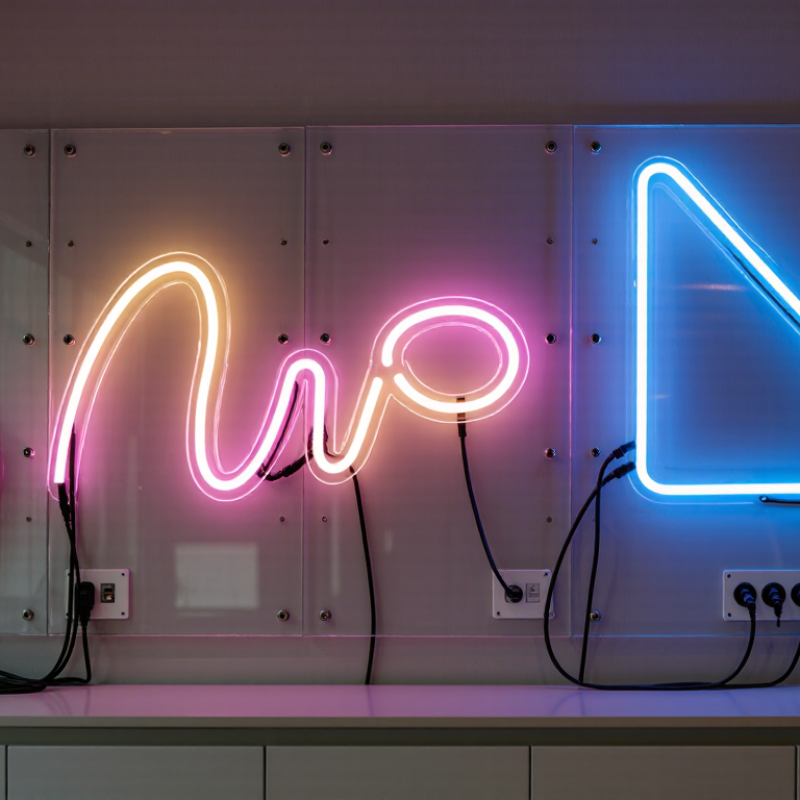
LED neon has moved well beyond the classic glowing word on a bar wall. In 2026, buyers can choose flexible neon-style strips, shaped logo signs, acrylic-backed designs, and compact display pieces. Each type creates a different effect. A warm script sign can soften a café interior, while a crisp logo panel can make a reception desk easier to recognize.
This guide compares the leading Led Neon sign types by appearance, placement, customization, and practical use. It also considers details that are easy to overlook: mounting holes, cable direction, dimming controls, indoor or outdoor ratings, and how the sign looks in daylight. These factors affect installation and everyday use as much as color does. Looks matter. So does fit.
There is no single “best” design for every space. A window-facing sign may need strong contrast, while a bedroom accent often benefits from lower brightness and a quieter shape. Product specifications vary, so check the maker’s stated materials, power supply, and environmental rating before ordering. Photos can help, but they may not show real-world brightness accurately. That is worth remembering. The sections ahead outline popular styles, their strengths, and the trade-offs to consider before choosing a sign.
Key Features That Define LED Neon Signs
What Are the Top LED Neon Sign Types in 2026?
Key Features That Define LED Neon Signs
LED neon signs come in several practical styles. Flexible LED tubing creates continuous lines for lettering, icons, and custom shapes. Edge-lit acrylic signs use etched panels, producing crisp graphics with a thinner profile. RGB versions add adjustable colors, while single-color signs keep a steady, familiar glow. The best type depends on viewing distance, placement, and how often the design may change.
Look closely at the light itself. Even illumination should run along curves without obvious dark spots or bright pinpoints. A diffused silicone jacket helps create a smoother glow and feels less fragile than glass tubing. Check the details. Cable length, dimming controls, mounting holes, and power-supply access affect everyday installation more than product photos suggest. That distinction matters.
For windows or walls near street-facing light, compare brightness and contrast in the actual setting. Outdoor signs need suitable weather protection, sealed connections, and materials rated for their exposure; an indoor model may fade or fail outside. Ask for clear specifications rather than relying on “weatherproof” alone. Some color effects look impressive online but can be tiring in a small room. A restrained palette is often easier to live with, though personal taste still counts.
What Are the Top LED Neon Sign Types in 2026?
Key features that define common LED neon sign types
This feature matrix compares common lighting architectures: single-color signs emit one fixed color, RGB signs can display selectable colors, and RGBIC signs can control colors in separate segments. Actual controls and effects vary by product.
Top LED Neon Sign Types in 2026
Flexible LED neon signs remain a popular choice for names, logos, and flowing script. Their silicone or PVC-style diffusers soften individual light points into a continuous line. They work well on café walls, bedroom headboards, and event backdrops. Check the minimum bend radius before choosing intricate lettering; tight curves can look uneven or strain the tubing. Small details matter.
Edge-lit acrylic signs use LEDs along a clear or colored panel’s edges. They suit crisp text, symbols, and compact desk displays, though their glow usually feels less like traditional neon. RGB and addressable LED signs offer color changes and animated effects. These are useful for flexible displays, but simple controls often make daily operation easier than elaborate lighting modes.
For exposed locations, sealed LED neon signs are designed to resist moisture and dust, but ratings and installation details still need checking. A covered entrance is not the same as a fully exposed wall. Modular signs, made from replaceable sections, can simplify repairs when one part fails. Yet visible joins may interrupt delicate artwork. Match the sign to viewing distance, mounting surface, brightness, and power access. The most striking option is not always the most readable one.
How LED Neon Sign Types Differ in Design and Construction
LED neon signs in 2026 differ less by color than by how their light is formed and supported. The familiar flexible neon type uses LEDs inside a shaped silicone or PVC jacket. The jacket spreads the light into a continuous line, while an acrylic backboard holds the lettering in place. Clear boards appear lighter on a wall; cut-to-shape boards make each letter look more distinct. Not every curve works. Tight bends may distort the glow or strain the tubing, so check the maker’s recommended bend radius before approving a custom design.
Edge-lit acrylic signs use a different approach. LEDs sit along an acrylic panel’s edge, and engraved lines or shapes guide the light across its surface. This can create crisp, fine graphics, but it usually looks less like a rounded neon tube. Modular signs, built from separate illuminated sections, can simplify replacement if one section fails, though their joins may be visible. For outdoor use, inspect the stated water-resistance rating, cable connections, and mounting method rather than relying on “weatherproof” alone. Honestly, product photos can hide uneven brightness; ask for a lit close-up or sample when detail matters.
Common Uses for Each LED Neon Sign Type
Flexible silicone LED neon works well for storefront outlines, café menus, and interior feature walls. Its diffused light follows curves around windows or lettering without the fragile glass tubing of traditional neon. Choose weather-resistant construction for outdoor placement, and check the sign’s stated protection rating. A bright window can still feel harsh.
Rigid acrylic LED signs suit reception desks, retail displays, and directional signs. Their flat faces keep logos and short messages crisp, while edge lighting creates a softer halo. They are less suited to elaborate curves. Measure the viewing distance before choosing letter size; tiny text often disappears across a busy lobby.
RGB programmable LED neon adds changing colors to event backdrops, bars, and seasonal displays. Fixed-color signs are usually easier to read and simpler to maintain. More effects are not always better. For energy context, the U.S. Department of Energy’s Energy Saver guidance says LEDs use at least 75% less energy and last up to 25 times longer than incandescent lighting. Those figures compare light sources, not complete signs; drivers, brightness, and operating hours affect actual consumption. Check those details before comparing products.
How to Choose the Right LED Neon Sign for Your Needs
Choosing an LED neon sign starts with its location, not its shape. Indoor signs can use lighter, slimmer tubing, while outdoor installations need sealed connections and materials rated for exposure to rain and sunlight. Check the stated IP rating and mounting instructions. A covered patio is still damp.
Next, match the sign’s construction to your priorities. Flexible LED neon is generally lightweight and easier to shape; glass neon offers a different look but can be more fragile. For a shop window, check daytime visibility, viewing distance, and glare. For a bedroom, dimming and a low-brightness setting may matter more. Ask for the sign’s power draw and warranty in writing. Specifications can be incomplete, so a product page alone is not enough.
Efficiency claims need context. The U.S. Department of Energy’s Energy Saver guidance says residential LEDs use at least 75% less energy and last up to 25 times longer than incandescent lighting. That is a general LED benchmark, not a guarantee for every neon sign. Compare the actual sign’s wattage and rated lifespan. I would also request a lit sample or a clear video; colors can look different on screen. Small detail. Measure your wall before ordering, including space for the power supply and cable.
| LED Neon Sign Type | Typical Light and Controls | Best For | Installation and Environment | Key Advantages | What to Check Before Choosing |
|---|---|---|---|---|---|
| Single-Color Flexible Neon | One fixed color; some models support dimming with a compatible controller. | Logos, short messages, home décor, reception areas, and retail displays. | Usually used indoors. Many signs operate from a low-voltage power supply; confirm the voltage and supply are included. | Simple operation, consistent color, and a clean appearance. | Choose the color, letter size, brightness, cable exit position, and mounting method. Confirm the power supply matches the sign. |
| RGB or RGBW Neon | RGB mixes red, green, and blue light to create a range of colors. RGBW adds a separate white light source. Controls may include a remote or app. | Spaces that need color changes, event décor, bars, gaming rooms, and seasonal displays. | Commonly installed indoors. Outdoor use requires the complete sign, connections, and power components to be suitable for the location. | Offers more color options than a fixed-color sign and can support preset effects. | Check whether the controller is included, how it connects, whether white is a dedicated LED, and whether the chosen model can be dimmed. |
| Addressable RGB Neon | Individually controlled LED sections can display animated patterns and color effects. | Dynamic displays, entertainment spaces, installations, and signs where animation is a priority. | Requires a compatible controller and power supply. Wiring and setup are typically more involved than with single-color signs. | Can create moving effects and patterns across different sections of a sign. | Confirm the control system, software compatibility, power requirements, and whether the effects can be adjusted for the intended use. |
| Outdoor-Rated LED Neon | Available in fixed-color and color-changing versions; sealing and ratings vary by product. | Exterior storefronts, covered patios, and other locations exposed to weather. | Check the stated IP rating for the complete installation. IP65 generally indicates protection against dust and water jets, but it does not mean the sign is suitable for immersion. | Designed for more demanding environments when the sign and its electrical connections are properly specified. | Verify the rating for the sign, connectors, power supply, and installation method. Follow the manufacturer's guidance for rain, temperature, and direct sunlight exposure. |
| Custom-Shaped or Lettered Neon | Usually made in a chosen color or control style, with flexible LED tubing formed into lettering, symbols, or outlines. | Business names, room signs, event backdrops, and personalized décor. | Typically mounted on a clear or colored backing panel, or fixed with clips. Placement depends on the backing and supplied hardware. | Can be tailored to a particular message, layout, and available wall space. | Review a scale drawing, spelling, dimensions, tubing thickness, backing shape, mounting points, and cable location before production. |
| Compact Desktop or Portable Neon | Usually a small fixed-color sign; some models use a USB connection or a separate low-voltage adapter. | Desks, shelves, bedrooms, temporary displays, and locations where a wall-mounted sign is unnecessary. | Designed for nearby placement and easy setup. USB power does not necessarily mean the sign includes a battery. | Small footprint and straightforward placement; may be easier to move than a larger custom sign. | Check the actual power source, cable length, stability of the base, brightness, and whether the sign can operate from a power bank. |
| Quick selection guide: Choose single-color neon for a simple, consistent look; RGB or addressable RGB for color effects; outdoor-rated construction for exterior locations; custom lettering for a specific message; and a compact model for desks or shelves. Product specifications vary, so confirm dimensions, power requirements, controls, and environmental ratings before purchase. | |||||
Related Posts
-
Ultimate Guide to Choosing the Best LED Neon Signs for Your Business
-
How to Choose the Right Flex Light in 2026?
-
Elevating Global Standards through Best Led Light Design Made in China
-
Lighting Products: Innovative Solutions for Every Space and Purpose
-
Unlocking the Advantages of Innovative Led Lighting Solutions
-
Essential Guide to Harnessing Led Technology for Your Business Success
Skip to content