How Many Lumens Do I Need for Lighting?
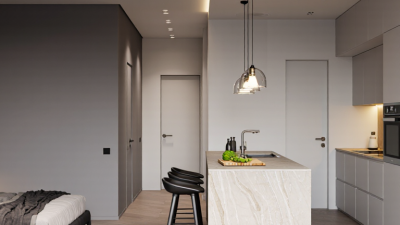
Choosing the right light level can be harder than picking a bulb. A kitchen island needs clear task lighting, while a bedroom often feels better with softer illumination. The useful question is not simply, “How bright is this bulb?” It is, “How much light does this space and activity need?”
Lighting Lumens measure the visible light a lamp produces. Watts measure energy use, so wattage alone cannot tell you how bright a modern LED will appear. That distinction matters. A 1,000-lumen bulb may feel bright in a small reading lamp but insufficient across a large, dark room. Fixture shades, ceiling height, wall colors, and daylight also change what you experience.
There is no single lumen number for every room. Not quite. This guide explains how to estimate lighting needs by room size and purpose, then adjust for the way you actually use each space. You will find practical starting points for kitchens, bathrooms, living areas, and bedrooms, along with tips for layering ambient, task, and accent lighting. Small details count, such as whether a desk lamp sits beside a book or shines directly into your eyes. Treat any estimate as a starting point, not a guarantee. Personal comfort varies, and product labels can describe output differently. A simple test helps: install the light, use the room at night, and notice where shadows or glare remain. Sometimes the first choice misses the mark. That is useful information, not failure.
Understanding Lumens and How They Measure Light
A lumen (lm) measures luminous flux: the visible light emitted by a source. It is not the same as a watt, which measures electrical power. The Commission Internationale de l’Éclairage’s International Lighting Vocabulary explains that luminous flux accounts for the human eye’s varying sensitivity to different wavelengths. So two lamps with equal lumens can still look different in color or feel.
The U.S. Federal Trade Commission’s Lighting Facts guidance uses about 800 lumens as the benchmark for a traditional 60-watt incandescent bulb. That figure helps compare light output, but it does not promise identical room brightness. Not quite. Light spreads, reflects off walls, and weakens with distance. A lamp aimed at a desk may illuminate its surface strongly, while the same output in a shaded fixture feels softer. For a practical estimate, consider the area, ceiling height, task, and fixture design—not just the package’s lumen number. I find this distinction easy to underestimate: lumens describe the source, while lux describes light reaching a surface. A dim hallway and a detailed workbench need different illumination, even if their bulbs have similar lumen ratings.
How Many Lumens Do I Need for Lighting?
Estimated light output for a 120 sq ft room, based on typical illuminance targets. Actual needs vary with room layout, fixture efficiency, surface colors, and personal preference.
How to read this: A practical estimate is target foot-candles × room area in square feet ≈ delivered lumens. For example, 30 foot-candles across 120 sq ft is about 3,600 lumens. These are general planning ranges, not strict requirements.
Identifying the Lighting Needs of Each Room
A room’s lumen target depends on area, ceiling height, surface colors, and what people do there. The Illuminating Engineering Society’s Lighting Handbook emphasizes illuminance—the light reaching a surface—rather than a single lumen number for every room. For a 100-square-foot living room, a planning range of 10–20 foot-candles means roughly 1,000–2,000 lumens reaching the floor area. Pale walls reflect more light; dark finishes absorb more. That difference is easy to overlook.
Match the light to the task. A kitchen may need about 30–50 foot-candles on counters, while a reading area benefits from focused task lighting instead of a brighter whole room. The U.S. Department of Energy defines lumens as a measure of visible light output, but fixture lumens are not the same as useful light on a countertop. Shades, placement, and beam direction affect delivery. Keep layers separate. Use ambient light for movement, then add task lighting where hands and eyes work.
Bathrooms need even facial lighting around mirrors; a bright ceiling fixture alone can cast shadows under the eyes. Bedrooms often feel more comfortable with softer general light and a reading lamp near the bed. These figures are starting points, not guarantees. Measure the room, consider its finishes, and adjust after living with the setup. I’d reconsider any plan that relies on one oversized fixture: it can create glare while leaving corners dim.
Calculating Lumens Based on Room Size and Use
How Many Lumens Do I Need for Lighting?
Calculating Lumens Based on Room Size and Use
A practical starting point is to multiply a room’s floor area by its target illuminance. Illuminance is measured in lux, while lumens describe the light source’s total output. For example, a 4-by-5-metre living room covers 20 square metres. At roughly 150 lux, it needs about 3,000 lumens of general light. Treat this as an estimate, not a fixed rule.
Room use changes the target. Living rooms and bedrooms often work well around 100–200 lux for general lighting. Kitchens may need 150–300 lux overall, with 300–500 lux on counters. A desk or reading chair also benefits from focused task lighting. Add the room’s general and task-lighting needs thoughtfully; you do not need every fixture at full brightness all the time. Check lumens on product specifications, rather than judging brightness by wattage alone.
Light does not spread evenly. Tall ceilings, dark walls, shaded fixtures, and lampshades can make a room feel dimmer, so you may need more output or additional fixtures. Light-colored surfaces usually reflect more light. A dimmer can help when one setting feels too harsh at night. Stand where you read or prepare food and check for shadows. The calculation can miss those. Adjust after living with the lighting, because even careful estimates are imperfect.
Adjusting Light Levels for Fixtures and Room Conditions
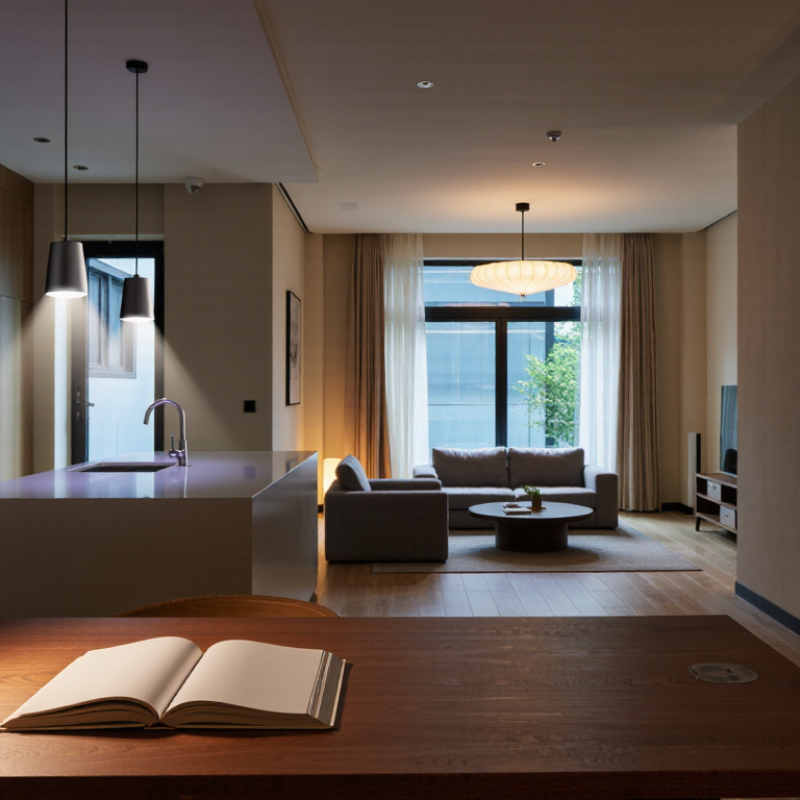
Lumens measure how much light a source produces, but they do not tell you how bright a room will feel. Fixture design matters. A shaded pendant can soften and reduce light reaching the floor, while a narrow beam may leave corners dim. Dark walls and heavy curtains absorb more light than pale, reflective surfaces. Even a spacious room can feel gloomy.
Estimate the room’s needs, then adjust for how you use it. A kitchen counter or desk benefits from focused task lighting; a living room often feels better with several softer sources than one glaring ceiling fixture. Check the fixture’s stated output and light direction, not just the bulb’s lumen number. A dimmer helps, if the fixture supports one. Small changes matter. I still find it easy to overestimate a single overhead light. Try the setup after dark, notice shadows on work surfaces, and add or reposition a lamp where the room falls short.
How Many Lumens Do I Need for Lighting? - Adjusting Light Levels for Fixtures and Room Conditions
| Room or Lighting Area |
Example Area |
Suggested Light Level |
Estimated Delivered Lumens |
Fixture and Room Adjustments |
| Living room — general lighting |
250 sq ft |
150–300 lux (about 14–28 foot-candles) |
3,500–7,000 lumens |
Use multiple fixtures for more even coverage. Add separate task or accent lighting where needed. |
| Kitchen — general lighting |
120 sq ft |
300–500 lux (about 28–46 foot-candles) |
3,360–5,520 lumens |
Distribute fixtures to reduce shadows from cabinets and occupants; use focused task lighting over work surfaces. |
| Kitchen counter — task lighting |
20 sq ft of work surface |
500–750 lux (about 46–70 foot-candles) |
920–1,400 lumens over the task area |
This is localized light in addition to general kitchen lighting, not a target for the entire kitchen. |
| Bedroom — general lighting |
180 sq ft |
100–200 lux (about 9–19 foot-candles) |
1,620–3,420 lumens |
Dimmers and bedside lamps allow lower light levels for relaxing and brighter light for activities. |
| Bathroom — general lighting |
60 sq ft |
200–300 lux (about 19–28 foot-candles) |
1,140–1,680 lumens |
Use suitably rated fixtures in areas exposed to moisture, following local electrical requirements. |
| Bathroom mirror — task lighting |
12 sq ft of mirror area |
300–500 lux (about 28–46 foot-candles) |
336–552 lumens over the task area |
Place light to reduce facial shadows; this localized target is separate from general bathroom lighting. |
| Home office — desk and surrounding area |
120 sq ft |
300–500 lux (about 28–46 foot-candles) |
3,360–5,520 lumens |
Combine ambient light with an adjustable desk lamp, and position fixtures to limit screen glare. |
| Hallway or circulation area |
40 sq ft |
50–100 lux (about 5–9 foot-candles) |
200–360 lumens |
Evenly spaced fixtures can help avoid dark patches, especially in long or enclosed hallways. |
How to estimate: Delivered lumens ≈ area in square feet × target foot-candles. These are planning estimates, not universal requirements. Dark finishes, high ceilings, indirect lighting, and opaque shades can reduce light reaching a surface; bright finishes and unobstructed fixtures can make a space feel brighter. Check the fixture’s delivered-light information when available, since a bulb’s rated lumens may not all reach the room.
Choosing Bulbs to Reach the Desired Brightness
Lumens tell you how much visible light a bulb produces; watts describe its energy use. To choose bulbs, start with the room and the activities that happen there. A softly lit bedroom needs less brightness than a kitchen counter used for chopping vegetables. As a rough guide, aim for about 1,000–2,000 total lumens in a small bedroom, then adjust for its size and your preference. Room estimates are imperfect.
Count the bulbs in each fixture before shopping. Four 800-lumen bulbs provide 3,200 lumens on paper, though shades and recessed fittings can reduce the light reaching a surface. For reading or detailed tasks, add a focused lamp rather than making every ceiling bulb brighter. That estimate can miss. Dark walls, high ceilings, and deep lampshades all change how bright a room feels.
Check whether a bulb is dimmable only if the fixture and dimmer support it. A dimmer gives you more control, but incompatible equipment may flicker or fail to adjust smoothly. Compare lumens on the package, not watts alone, and try one bulb before replacing several. Small changes matter. A bulb that looks bright in a shop can feel harsh beside a pale wall at home; testing it in the actual room is a sensible final check.
 Skip to content