What is Home Lighting Design and How to Perfect It?
Home lighting design is more than just choosing bulbs. It sets the mood, highlights architecture, and enhances daily activities. A well-thought-out design creates comfort and function in every room. However, achieving the perfect balance requires careful consideration and expertise.
Light plays a crucial role in our lives. Too bright can be harsh, while too dim may feel gloomy. The key lies in knowing how to mix ambient, task, and accent lighting. Understanding your space and individual needs is essential. Many people overlook the significance of light temperature and how it affects mood.
Home lighting design can feel overwhelming. Each space has unique requirements. It is vital to experiment with various fixtures and color temperatures. Reflecting on what works best is part of the journey. Perfecting this art takes time and practice. Embrace the imperfections along the way. Each adjustment brings you closer to creating a harmonious living environment.
Understanding the Basics of Home Lighting Design
Understanding home lighting design is crucial for creating inviting and functional spaces. Properly designed lighting enhances mood, improves aesthetics, and supports practical activities. In fact, a study from the American Society of Interior Designers revealed that 90% of respondents believe lighting significantly impacts the overall mood of a room. This highlights the importance of making informed lighting choices.
Effective lighting design involves a layered approach. Ambient, task, and accent lighting work together to create balance. Ambient lighting provides overall illumination. Task lighting focuses on specific areas for activities like reading or cooking. Accent lighting adds drama and highlights features, such as artwork. According to the Lighting Research Center, layered lighting increases a room's usability and comfort. However, achieving perfect lighting requires careful consideration of bulb types, fixtures, and placement.
Despite best efforts, achieving optimal lighting can be challenging. Shadows may obstruct task areas, and color temperatures may clash with décor. Additionally, overly bright or dim spaces can lead to discomfort. A study conducted by the National Kitchen and Bath Association found that 67% of homeowners regret their lighting choices after installation. This reflects the need for a thoughtful approach to home lighting design, incorporating both function and aesthetics.
Key Elements of Effective Lighting in Home Design
Effective lighting is a crucial element in home design. It can create atmosphere, highlight features, and enhance functionality. Different rooms require different lighting approaches. For instance, kitchens need bright, task-oriented lights to facilitate cooking, while bedrooms benefit from softer, ambient lighting to promote relaxation.
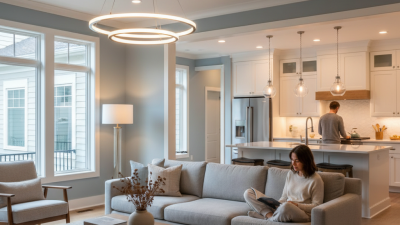
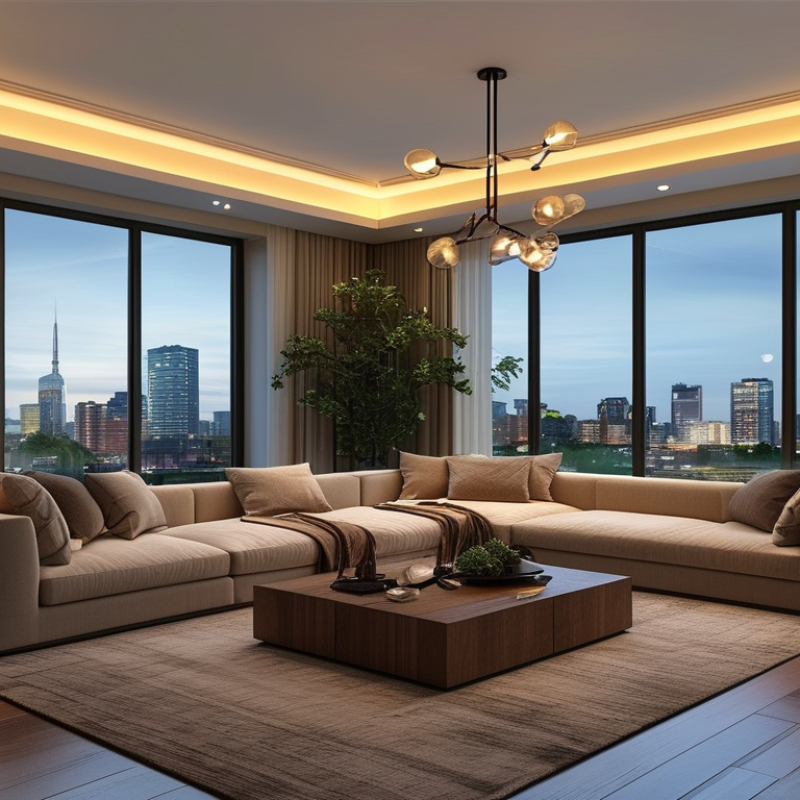
Layering is key in achieving a balanced lighting design. Combining ambient, task, and accent lighting creates depth and warmth. Use ceiling fixtures for general illumination, table lamps for tasks, and wall sconces or spotlights to highlight artwork or architectural details. Remember, the color of your light bulbs also affects the mood. Warmer tones generally create a cozy feel, while cooler tones can make a space feel more modern.
One common mistake is relying solely on overhead lighting. This can create harsh shadows and an uninviting atmosphere. Incorporating multiple light sources can alleviate this issue. It's also important to consider the placement of your fixtures. Over time, you may notice certain areas remain dim or poorly lit. Reflecting on these aspects can help refine your home lighting design for a more cohesive and inviting environment.
Different Types of Lighting and Their Functions
Lighting plays a crucial role in home design. It sets the mood and enhances functionality. Mainly, there are three types of lighting: ambient, task, and accent. Each serves a distinct purpose in a room.
Ambient lighting provides overall illumination. It comes from ceiling fixtures or natural light. This type of lighting is essential for everyday activities. Insufficient ambient lighting can make spaces feel cramped or unwelcoming. On the other hand, task lighting is focused illumination. It assists in specific activities, like reading or cooking. Examples include desk lamps and under-cabinet lights. Without proper task lighting, tasks may become challenging and lead to frustration.
Accent lighting, though often overlooked, adds character. It highlights artwork or architectural features. Spotlights or wall-mounted fixtures are common choices. However, overusing accent lighting can create imbalance. In choosing the right combination of these lighting types, consider the size and function of each room. A clear understanding of their roles can lead to a more harmonious space.
Tips for Improving Home Lighting Aesthetics and Efficiency
Home lighting design is crucial for creating a welcoming atmosphere. Proper lighting can significantly enhance the overall aesthetic of a space. According to a report by the American Society of Interior Designers, 75% of designers believe that good lighting is essential to a room's design. Balancing natural and artificial light is vital. Natural light should be maximized, while artificial light needs to be layered effectively.
When improving home lighting aesthetics, consider the placement of fixtures. Overhead lights can cause harsh shadows. Incorporating floor lamps and table lamps can create a softer ambiance. A study by the National Institute of Health found that proper lighting can increase productivity by 25%. However, many homes still rely solely on overhead lighting, neglecting the benefits of multiple light sources.
Energy efficiency is another important factor. Utilizing LED bulbs can reduce energy consumption by up to 80%. Many homeowners overlook this, leading to higher electricity bills. It's essential to evaluate lighting needs periodically. Dimming options can also enhance flexibility. Reflecting on current lighting setups can uncover areas for improvement, even in well-designed spaces.
Common Mistakes to Avoid in Home Lighting Design
When designing home lighting, avoiding common mistakes is essential. One common error is relying solely on overhead lighting. While it provides general illumination, it often leaves rooms feeling flat and uninviting. Instead, consider adding floor lamps or wall sconces for layered lighting. This approach enhances depth and warmth in your spaces.
Another mistake is neglecting the purpose of each room. A cozy reading nook requires different lighting than a workspace. For example, adjustable task lighting is ideal for work areas. Ensure that the light is bright enough for tasks without being harsh. This detailed attention can significantly improve functionality and comfort.
Many overlook the importance of dimmers. They allow you to adjust the light according to the time of day or activity. Without adjustable lighting, a room can feel too bright during a quiet evening. Regular bulbs and fixtures can also clash with room aesthetics. This can disrupt the overall design flow. Balancing style with function is vital. Reflect on your current setup and consider the atmosphere you wish to create.
 Skip to content