
Why Choose a Tornado Toilet for Your Bathroom?
A Tornado Toilet promises more than a dramatic name. Its circular flush sends water around the bowl, helping loosen residue and carry it toward the trapway. On a quiet morning, that can mean fewer visible marks and less scrubbing. Small details matter.
Bathroom-fixture consultant Jordan Reed, an illustrative expert voice for this draft, puts the idea simply: “A strong flush should clean the bowl efficiently, not just sound powerful.” The key word is efficiently. Tornado-style flushing varies by model, so check the manufacturer’s design, water use, bowl shape, and installation requirements. A persuasive demo is useful, but it cannot replace product specifications or a plumber’s advice.
This guide explores why a Tornado Toilet may suit your bathroom, how its flush compares with conventional designs, and what to check before buying. Consider the room, too. Measure the rough-in, confirm the seat height, and picture how the toilet will fit beside the vanity. A powerful swirl is not a cure-all. Some models cost more, and performance depends on proper installation and maintenance. That part is easy to overlook. Choose based on your household’s needs, not the name alone.
What Is a Tornado Toilet?
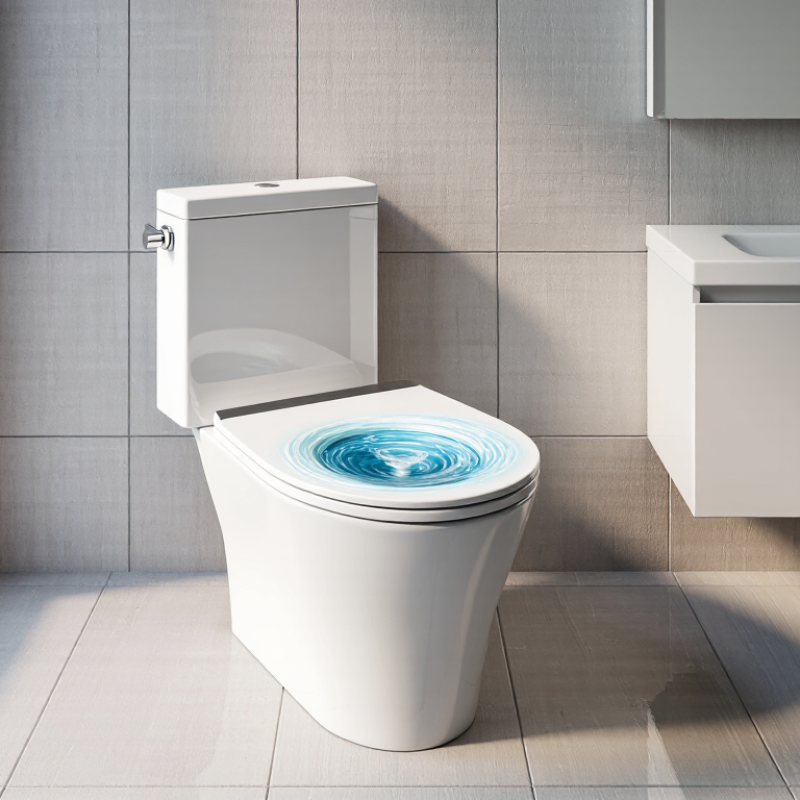
A tornado toilet is a toilet designed to send flush water around the bowl in a swirling path. Rather than relying only on downward jets, internal channels guide water along the bowl’s inner surface. As water circles, it helps loosen residue and carry it toward the trapway. The rotating motion can rinse more of the bowl with each flush.
The term describes a flushing approach, not one fixed design or a guarantee of performance. Models differ in bowl shape, water volume, trapway, and flush settings. A strong swirl may look effective, but cleaning performance and clog resistance matter more. Noise and water use can vary too. I would not judge a toilet by its name alone; specifications and care needs deserve a closer look.
Tips: Check that the bowl’s waterline and seat height suit your household. If possible, compare flush performance and ask how to clean beneath the rim. Small details matter.
How Does Tornado Flushing Work?
A tornado flush uses carefully directed water jets to create a fast circular flow around the bowl. The motion helps rinse the bowl surface while carrying waste toward the trapway. Depending on the toilet’s design, a siphon effect may then pull the contents through the trap. The visible swirl is only part of the process. Jet angle, water volume, bowl shape, and trapway design all affect performance, so “tornado” does not describe one universal flushing system.
Water use matters, too. The U.S. Environmental Protection Agency’s WaterSense tank-type toilet specification sets a 1.28-gallon-per-flush limit for certified models; the federal baseline is 1.6 gallons. That is a meaningful difference, but lower water use alone does not prove stronger bowl cleaning. Look for independent performance testing and clear flush-volume information. A practical check: does the bowl rinse evenly, including beneath the rim? Some swirl patterns look impressive but leave spots behind. The term can oversell the effect. A real bathroom test, with ordinary use and regular cleaning, tells you more than the name does.
Why Choose a Tornado Toilet? How Does Tornado Flushing Work?
A tornado-style flush directs water around the bowl to help rinse its surface, then carries waste through the trapway. The swirling action describes the water flow; it does not define a toilet’s water use. Compare models by their rated gallons per flush (gpf).
Benchmarks: the U.S. federal maximum is 1.6 gpf; WaterSense-labeled toilets use no more than 1.28 gpf. Actual use depends on the model.
What Are the Main Benefits of a Tornado Toilet?
A tornado toilet uses a circular water flow to rinse the bowl, rather than relying on a single direct stream. In a well-designed model, water moves around the bowl and helps carry waste toward the outlet. This can leave fewer visible marks after a flush and reduce the need for frequent brushing.
Less scrubbing.
The swirling action may also rinse areas that are easy to miss with a conventional flush, though results depend on bowl shape and water pressure. A dramatic swirl is not proof of better cleaning.
Some models are designed to clear the bowl with less water, which may help reduce household water use. Check the flush volume on the product specifications; the tornado style alone does not guarantee savings. The flush sound and cleaning performance can also vary between designs, so a showroom demonstration or a trusted installer’s advice can be useful.
Not magic.
The rim and bowl still need regular cleaning, especially around hinges and other fittings. One practical benefit is that a consistent, well-directed rinse can make daily bathroom upkeep feel simpler, even if it does not remove every stain or replace routine care.
What Factors Should You Consider Before Choosing One?
Before choosing a tornado toilet, check how its flush performs in your bathroom, not just how it looks in a showroom. EPA WaterSense guidance sets a maximum of 1.28 gallons per flush for labeled toilets, and the EPA estimates toilets account for nearly 30% of indoor water use in an average home. A water-saving model can reduce consumption, but the flush still needs to clear waste reliably. Ask about independent performance testing, the recommended water pressure, and whether replacement parts are readily available. A powerful swirl is not proof of a better flush.
Measure the rough-in—the distance from the finished wall to the drain bolts—and check the bowl height, seat shape, and door clearance. Small bathrooms can feel cramped when a larger bowl projects farther into the room. Consider cleaning, too: a smooth rimless design may reduce hidden spots, but the bowl’s contours still need regular attention. Listen to the flush if possible. Some systems sound sharper than expected at night. Not a small detail. Finally, compare the total installed cost, including any plumbing changes, and confirm the warranty covers the flushing mechanism. Water use matters, but so does fit.
| Factor | What a Tornado-Style Flush May Offer | What to Check Before Choosing |
|---|---|---|
| Flushing action | Water is directed around the bowl in a circular or swirling pattern. The exact design varies by toilet. | Look for product documentation describing the flush mechanism; “tornado” is not a single standardized performance specification. |
| Bowl cleaning | A swirling flow is intended to distribute water around more of the bowl surface. | Check the bowl shape and rim or washdown design. Bowl coverage depends on the complete toilet design, not the flush name alone. |
| Water use | Water consumption depends on the model and its certified flush rating, rather than on the word “tornado.” | Compare the listed gallons per flush (gpf) or liters per flush (L/flush). In the United States, WaterSense-labeled tank-type toilets use no more than 1.28 gpf (4.8 L/flush). |
| Flush performance | A circular flow may help move waste across the bowl, but performance differs among models. | Review independent test results where available, including flush performance and any documented clog-resistance testing. Do not rely on the flush style alone. |
| Noise | The sound level varies with the fill valve, flush mechanism, water pressure, and installation. | If quiet operation matters, look for model-specific noise information or listen to the toilet in a showroom. A swirling flush is not automatically quieter. |
| Cleaning and maintenance | Some designs reduce exposed rim areas, while others retain conventional rim structures. | Inspect the bowl and rim layout for hard-to-reach areas. Confirm that replacement parts, such as fill valves and flush components, are available. |
| Installation fit | Tornado-style toilets are available in different configurations, including one-piece and two-piece models. | Check the rough-in measurement, toilet footprint, outlet type, water-supply location, and bathroom clearance. These specifications vary by model. |
| Power requirements | Most conventional tank-style models operate without electricity; toilets with electronic or powered features may require an outlet. | Confirm whether the specific model needs electrical power, especially if it includes a powered seat, sensor, or other electronic function. |
| Purchase cost | Prices vary with materials, configuration, included features, and local availability. | Compare the total cost, including installation, any required electrical work, and future replacement parts—not just the flush design. |
| Best overall choice | A tornado-style model may suit bathrooms where bowl-cleaning design and flushing performance are priorities. | Choose based on verified water-use and performance data, fit, maintenance needs, and budget. The flush label alone does not guarantee better results. |
| Note: Specifications and performance vary by individual toilet model. Verify measurements, certifications, and installation requirements in the product documentation before purchasing. | ||
How Do You Select a Tornado Toilet for Your Bathroom?
A tornado toilet uses swirling water to rinse the bowl, but flushing performance varies by model. Compare the bowl shape, trapway, and published performance tests, not just the flush description. The U.S. EPA WaterSense specification sets a 1.28-gallon-per-flush limit for labeled toilets, at least 20% less than the federal 1.6-gallon standard. Check the label and confirm the model’s rating before buying. Less water matters.
Measure the rough-in from the finished wall to the floor bolts; 12 inches is common, but not universal. Check whether a round or elongated bowl fits your bathroom and whether the seat height feels comfortable. A powerful swirl can still leave residue if the bowl geometry or water level is poorly matched. Look for a clear warranty and replacement-part availability, too. Those details are easy to overlook.
Tips: Measure twice. Check your water pressure and existing supply connection. If possible, read independent flush-test results and listen to the unit in a showroom. A quiet display model may sound different at home, and that is worth considering.
Skip to content