What Are the Top Types of Water Irrigation Hose?
Choosing the right irrigation hose can make watering easier, cleaner, and more consistent. A Water Irrigation Hose carries water from the source to plants, beds, containers, or small lawns. Its design affects pressure, coverage, durability, and water use.
Gardeners commonly choose soaker hoses, sprinkler hoses, flat hoses, reinforced hoses, and expandable models. Each type serves a different situation. The ground decides. A sandy bed may need slow, steady moisture. Clay soil may require gentler delivery to prevent runoff. Small details matter. Hose length, connector quality, water pressure, and sunlight exposure can change daily performance. A lightweight hose may feel convenient, yet it can kink beside a raised bed. A thicker hose may last longer, but it can be tiring to move.
This guide compares the top types of Water Irrigation Hose through practical features and real gardening needs. It considers how each hose distributes water, handles outdoor conditions, and fits different planting areas. Experience suggests that a soaker hose works well around rows of vegetables. A sprinkler hose can cover wider ground quickly. Reinforced designs often suit demanding, frequent use. However, these are useful tendencies, not perfect rules. Not always. Soil, climate, pressure, and plant spacing still influence the result. The goal is not to find the most expensive hose. It is to find a dependable match for your garden, your water supply, and your routine.
What Is a Water Irrigation Hose and How Does It Work?
A water irrigation hose carries water from a tap, pump, or storage tank to plants. Unlike a standard garden hose, it is designed for controlled watering. Its structure usually includes a flexible tube, reinforced layers, and connectors that resist leakage. Water moves through the hose under pressure, then exits through holes, emitters, or a spray nozzle.
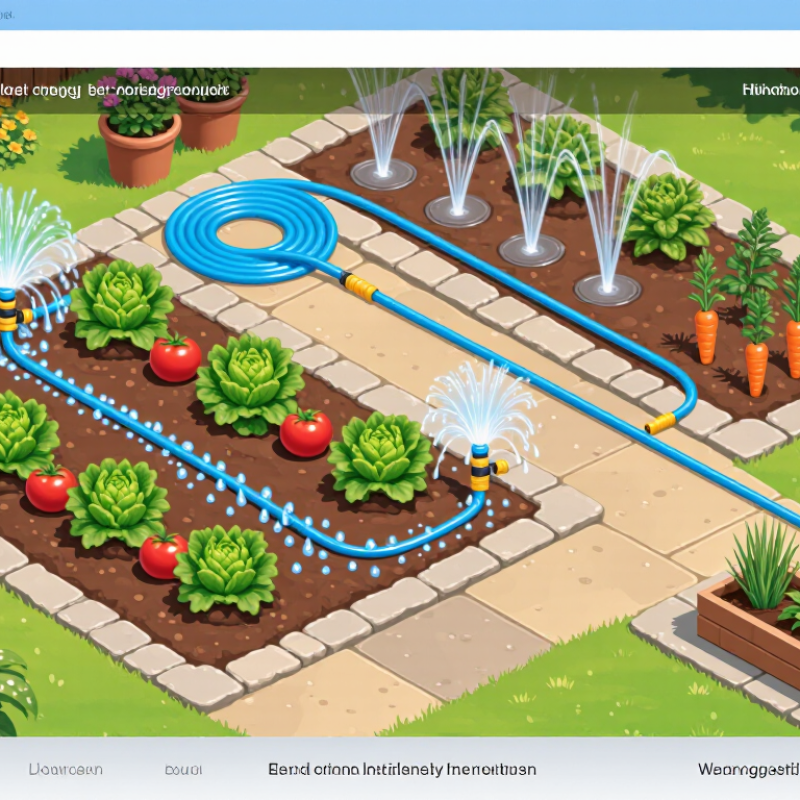
The main types include drip hoses, soaker hoses, sprinkler hoses, and porous hoses. A drip hose releases small amounts near each plant’s roots. A soaker hose allows water to seep along its length. A sprinkler hose sprays upward through tiny openings, covering wider beds. In my experience, drip systems waste less water, but they can clog when the water contains sediment. That small problem matters.
Tips: Check the hose before installation. Flush it for several minutes. Use a filter when water carries sand or rust. Lay drip hoses on level soil for more even flow. Avoid sharp bends, because they can restrict pressure. Measure the water output from several points, not only the nearest outlet. The far end may receive less water. I once assumed equal pressure across a long line, and the plants at the end stayed dry. That mistake was avoidable. Replace cracked connectors quickly, especially after strong sunlight or freezing weather.
What Are the Main Types of Water Irrigation Hoses?
Water irrigation hoses mainly fall into four types: drip lines, soaker hoses, sprinkler hoses, and lay-flat hoses. Drip lines release water slowly through built-in emitters near plant roots. They suit vegetable beds, orchards, and container rows. Soaker hoses seep along their length and create gentle, even moisture. Sprinkler hoses spray upward, making them useful for lawns and wide planting areas. Lay-flat hoses move large water volumes across longer distances, but they need careful pressure control. FAO AQUASTAT reports that agriculture accounts for about 70% of global freshwater withdrawals, so hose selection affects more than convenience.
Drip irrigation is usually the most precise option. The U.S. Environmental Protection Agency states that drip systems can use 20–50% less water than conventional spray irrigation. However, pressure, filtration, soil texture, and hose spacing change real results. A sandy bed may need closer emitters. Heavy clay may stay wet too long. Sprinkler hoses can also waste water in strong wind. That detail is easy to overlook. No hose performs perfectly everywhere.
Tips:
- Check flow rate before installation.
- Use a filter with drip lines.
- Place soaker hoses under mulch, not in direct sun.
- Test one section for ten minutes, then inspect the soil several centimeters below the surface.
- The Irrigation Association recommends matching application rates with soil and plant needs. A simple test is often more reliable than a glossy product chart.
How Do Drip, Soaker, and Sprinkler Hoses Differ?
What Are the Top Types of Water Irrigation Hose?
Drip hoses deliver water through small emitters placed along the line. They release moisture slowly, often near individual plants or rows. This pattern reduces wet foliage and limits evaporation during calm, early-morning watering. A pressure regulator and filter usually improve performance. Without them, emitters may clog or discharge unevenly. Drip irrigation suits vegetable beds, containers, and young trees. It demands careful spacing, though. Roots do not always grow where the hose lies.
Soaker hoses use porous walls instead of separate emitters. Water seeps gently along their entire length. They work well beneath mulch, around shrubs, or beside dense planting rows. Their coverage feels simple, but it is not always uniform. The hose may release more water near the inlet than at the far end. Excess pressure can also cause leaks or shorten its service life. Lay it flat, check the soil by hand, and avoid burying it deeply.
Sprinkler hoses spray water through openings across the top surface. They can cover lawns and broad beds quickly, especially where plants have similar water needs. Wind can carry the spray away. Evaporation may also increase on hot afternoons. A sprinkler hose needs clear placement and moderate pressure. Watch for puddles. They reveal poor soil absorption better than a timer does. No hose fits every garden, and choosing by price alone often creates uneven watering.
Which Hose Materials and Designs Suit Different Irrigation Needs?
Choosing an irrigation hose starts with water pressure, soil layout, and handling frequency. A lightweight PVC hose suits short beds and occasional watering. It resists moisture, costs less, and stores easily. However, cheap PVC can kink sharply under hot sun. I have found that a wider coil does not always solve this problem. Reinforced PVC adds strength for regular garden use. Its woven layer helps control expansion and reduces splitting near connectors.
For large plots, rubber hose is often more dependable. It tolerates heat, dragging, and repeated pressure changes better than basic PVC. The trade-off is weight. A full 30-meter length can tire one person quickly. Soaker hoses work differently. Their porous walls release water slowly along planting rows. They are useful around vegetables, hedges, and young trees. Place them under mulch, but check wetting depth after several hours. Surface moisture can look convincing while roots remain dry. That happened in one of my raised beds.
Expandable hoses save storage space and feel convenient on patios. Yet their fabric covers and internal tubes need careful handling. They are less suitable for abrasive ground or constant commercial use. Flat hoses are easy to coil and carry, especially for temporary irrigation lines. Their channels may restrict flow when sharply bent. For drip systems, narrow polyethylene tubing offers precise delivery through emitters. Use pressure regulation and secure fittings. Without them, disconnected lines can waste water fast. Hose diameter, connector quality, and UV exposure matter as much as material. Test a short section before installing the entire system.
How Can You Choose the Right Irrigation Hose for Your System?
Choosing an irrigation hose starts with the crop, soil, and water source. FAO AQUASTAT estimates that agriculture accounts for about 70% of global freshwater withdrawals. Delivery efficiency is not a minor detail. Dripline works well for vegetable rows, containers, and young trees. Soaker hose suits garden beds, but output may decline along long runs. Lay-flat hose supports temporary water transfer. Reinforced hose handles general distribution and higher handling stress.
Measure pressure before selecting length or diameter. A narrow hose may restrict flow, while an oversized hose adds unnecessary cost and weight. Too long wastes pressure. The U.S. EPA WaterSense program reports that landscape irrigation can represent nearly one-third of residential water use, exceeding 9 billion gallons daily in the United States. Use a filter when sediment enters the system. Add pressure regulation for dripline. Match emitter spacing to plant spacing, not personal preference. Sandy soil usually needs shorter, more frequent watering. Clay soil needs slower application to prevent runoff. A common mistake is choosing the hose first and adjusting the system later. That approach often fails. Test one section with a bucket, stopwatch, and visible wetting pattern before expanding the installation. No hose is perfect.
What Are the Top Types of Water Irrigation Hose? - How Can You Choose the Right Irrigation Hose for Your System?
A practical comparison of common irrigation hose and tubing options for gardens, landscapes, nurseries, and small agricultural systems.
| Irrigation Hose Type | How It Delivers Water | Typical Operating Pressure | Best Applications | Main Advantages | Important Limitations | Selection Checklist |
|---|---|---|---|---|---|---|
| Soaker Hose | Water slowly seeps through a porous hose wall along its length. | Usually low pressure; commonly operated around 10–25 psi, depending on the product. | Vegetable beds, flower borders, hedges, and established planting rows. |
|
| Choose a length suited to the bed, use a pressure regulator, and install a filter when water contains sediment. |
| Dripline Tubing | Built-in emitters release measured amounts of water at regular intervals along the tubing. | Often approximately 10–30 psi; the exact range depends on the emitter design. | Rows of vegetables, orchards, vineyards, landscape beds, and container groups. |
|
| Match emitter spacing and flow rate to plant spacing, soil type, row length, and the available water supply. |
| Blank Distribution Tubing | Conveys water from the source to individual drip emitters, spray stakes, or branch lines. | Commonly used at low pressure, generally below 30 psi in small irrigation systems. | Connecting a mainline to containers, raised beds, shrub areas, and small planting zones. |
|
| Check the tubing diameter, fitting compatibility, maximum run length, and the total flow required by connected outlets. |
| Micro-Sprinkler Tubing System | Flexible tubing supplies small sprinklers, bubblers, or sprayers that distribute water over a defined area. | Typically low to moderate pressure, often around 15–30 psi. | Nurseries, tree basins, groundcovers, flower beds, and areas needing broader coverage than drip emitters provide. |
|
| Consider wind exposure, spray radius, plant spacing, nozzle flow rate, and whether the soil can absorb the application rate. |
| Lay-Flat Irrigation Hose | A collapsible hose transports relatively high volumes of water and lies flat when not pressurized. | Varies widely by construction; use only within the hose’s rated working pressure. | Temporary irrigation, field transfer lines, pump discharge, and moving water between zones. |
|
| Verify working pressure, inside diameter, flow requirement, coupling size, ground conditions, and resistance to abrasion. |
| Perforated Spray Hose | Small openings or perforations spray or mist water from one or both sides of the hose. | Generally low pressure; performance changes significantly with pressure and orientation. | Seedbeds, lawns, narrow garden strips, and temporary surface watering. |
|
| Use a pressure regulator, avoid excessive hose lengths, and check whether the spray pattern matches the target area. |
| Heavy-Duty Garden Hose for Manual Irrigation | Delivers water manually through a handheld nozzle, wand, sprinkler, or portable connection. | Depends on the water source and hose rating; household systems commonly operate at moderate pressure. | Small gardens, spot watering, maintenance work, and temporary connections. |
|
| Choose the correct inside diameter, flexible construction, kink resistance, safe fittings, and a shutoff or flow-control nozzle. |
General guidance: Before selecting a hose, measure the available flow, check the water pressure, determine the required coverage, and consider soil type, slope, filtration, climate, installation method, and maintenance access. Always follow the hose and fitting manufacturer’s rated pressure limits.
Skip to content