Top Tips for Choosing Safety Helmets in Construction Work?
Choosing the right Safety Helmet Construction is crucial for workers on site. Helmets protect from falling objects and head injuries, which are common in construction. A well-fitted safety helmet not only shields workers but also boosts their confidence while working.
When selecting a safety helmet, consider materials and standards. Different environments demand specific features. For instance, some might offer better ventilation while others focus on insulation. It's essential to evaluate the risks present in your work environment to make an informed choice.
Many overlook the importance of comfort in a helmet. An uncomfortable helmet can lead to distraction or improper usage, which defeats its purpose. Workers should also feel empowered to provide feedback about their helmets. This loop of communication can enhance safety measures and product quality over time. Ultimately, choosing the right safety helmet construction is a thoughtful process that requires attention to detail.
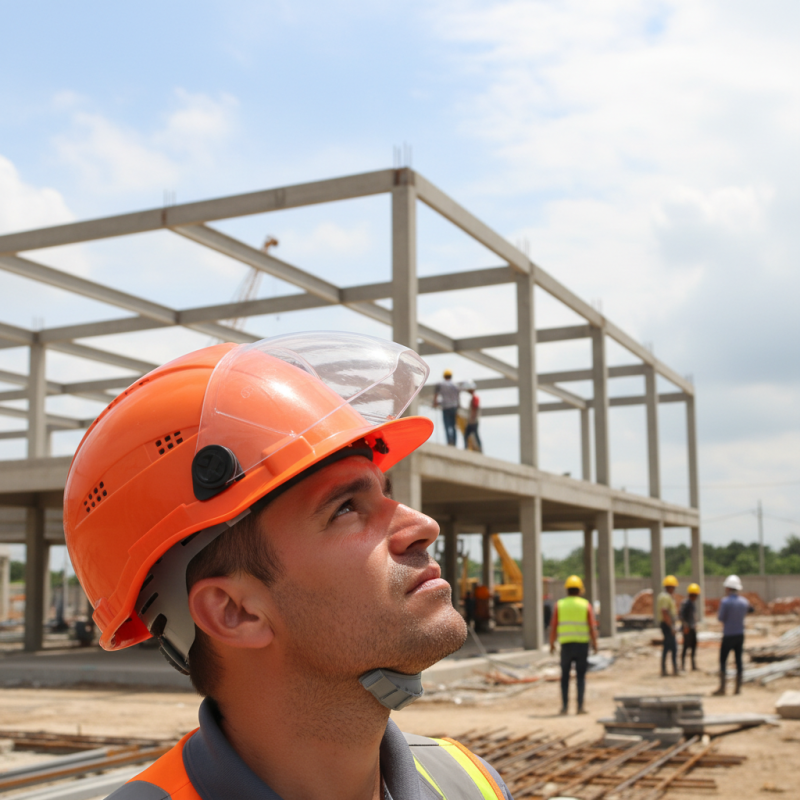
Understanding the Importance of Safety Helmets in Construction Work
In construction work, safety helmets are essential. They protect workers from head injuries caused by falling objects and hazardous conditions. According to the Occupational Safety and Health Administration (OSHA), head injuries account for 10% of all construction fatalities. This highlights the critical role that helmets play in keeping workers safe on site.
Choosing the right helmet involves understanding its importance. Helmets should meet relevant safety standards such as ANSI/ISEA Z89.1. This compliance ensures that they provide adequate protection. A study indicated that proper helmet usage reduces the risk of head injuries by 85%. Yet, many workers neglect using them or wear improperly fitted helmets, exposing themselves to danger.
Quality and comfort in a helmet are crucial. If a helmet is uncomfortable, workers may remove it, increasing injury risk. Construction sites often face extreme conditions, and the right helmet should offer ventilation and a secure fit. Workers must recognize that safety is a shared responsibility. Discussing helmet safety and proper usage among peers is vital to foster a culture of safety on site.
Top Tips for Choosing Safety Helmets in Construction Work
Key Features to Consider When Selecting Safety Helmets
When selecting safety helmets for construction work, several key features should be considered. Material is crucial. Commonly used materials include high-density polyethylene and fiberglass. These materials offer good impact resistance. A helmet’s weight can also affect comfort, especially during long hours on site. Heavier helmets can lead to fatigue.
The fit of the helmet is equally important. It should sit snugly without being too tight. Adjustable straps can help achieve this. Look for a helmet with a good chin strap; it ensures that the helmet stays in place during movement. Ventilation is another aspect that can enhance comfort. Proper airflow helps reduce sweat buildup.
Certifications provide peace of mind. Helmets should meet established safety standards. Check for marking on the helmet; this indicates compliance with safety regulations. Some helmets have additional features, like integrated earmuffs or visors. These can improve safety and comfort, but may add weight. It's essential to weigh the pros and cons of these features. Don’t overlook the option of trying different models on site. A comfort test can reveal unexpected issues.
Different Types of Safety Helmets and Their Applications
When it comes to safety helmets in construction work, understanding their types is essential. Hard hats are classified mainly into two categories: Type I and Type II. Type I helmets protect against vertical impacts. They are commonly used on construction sites. Type II helmets provide both top and lateral impact protection. This makes them suitable for jobs like power line work.
Different industries have specific requirements. For instance, according to the Occupational Safety and Health Administration (OSHA), construction workers face a high risk of head injuries. Reports indicate that nearly 1 in 10 construction workers sustain a head injury. Selecting the right helmet can significantly reduce this risk.
Consider these tips when choosing safety helmets. Ensure the helmet fits well and is comfortable. A loose helmet can slip off during a fall. Look for helmets with ventilation for better airflow. This is especially important in hot environments. Lastly, regular inspection for cracks and wear is vital. A damaged helmet may not provide adequate protection.
How to Properly Fit and Wear Safety Helmets
Choosing the right safety helmet is crucial in construction work. Proper fitting is key to ensuring maximum protection. Start with measuring the head circumference. Use a cloth tape measure, placing it about an inch above the eyebrows. This ensures an accurate size. Helmets must fit snugly but comfortably.
Wear the helmet level on your head. It should sit just above the eyebrows. Avoid tilting it back, as this reduces protective coverage. The chin strap is essential. It secures the helmet in place, preventing it from falling off during work. Adjust the straps until they feel comfortable but tight enough to stay put.
Check the fit regularly. Helmets can become loose over time, especially with frequent use. If you notice any gaps, make adjustments. Some may find helmets uncomfortable. This is a sign to reassess the fit. Remember, a helmet that is too tight can cause headaches. Ill-fitting helmets provide inadequate protection. Prioritize your safety by ensuring your helmet fits correctly.
Top Tips for Choosing Safety Helmets in Construction Work
| Dimension | Details |
| Type of Helmet | Type I (top impact) or Type II (side and top impact) |
| Material | High-density polyethylene or fiberglass for durability |
| Weight | Lightweight options (<350 grams) for comfort |
| Adjustability | Ratchet or dial fit systems for secure fit |
| Ventilation | Proper air circulation to prevent overheating |
| Visor | Sun visor or clear face shields for added protection |
| Inspection | Regular checks for cracks and wear every month |
| Certification Standards | Comply with ANSI/ISEA Z89.1 or similar |
Maintenance and Inspection Tips for Longevity of Safety Helmets
Maintenance of safety helmets is crucial for ensuring their longevity. Regular inspections help identify any signs of wear or damage. Check for cracks, dents, or faded colors that may indicate a weakened structure. Even small abrasions can compromise the helmet's integrity. It is essential to follow a schedule for these inspections, ideally before every major project. Teams can establish a checklist to document findings and set reminders for future checks.
Cleaning safety helmets is another important aspect of maintenance. Use mild soap and water for routine cleaning. Harsh chemicals can degrade the material over time. After cleaning, allow helmets to air dry completely before storage. This prevents moisture buildup that can lead to mold or mildew. Store helmets in a cool, dry place away from direct sunlight. Sun exposure can cause materials to break down faster than expected.
Consider the age of the helmet as well. Most safety helmets have a lifespan of around five years, but this can vary based on usage. If you frequently work in extreme conditions, consider replacing helmets more often. Keeping track of the purchase date and usage environment is essential. Regular maintenance not only extends the life of safety helmets but also ensures optimal protection for workers on construction sites.
 Skip to content