Top 5 ABA Blown Film Machines You Need to Know?
In the world of packaging, the aba blown film machine plays a crucial role. These machines are essential for producing high-quality films used in various industries. Understanding the top models available can help businesses make informed decisions.
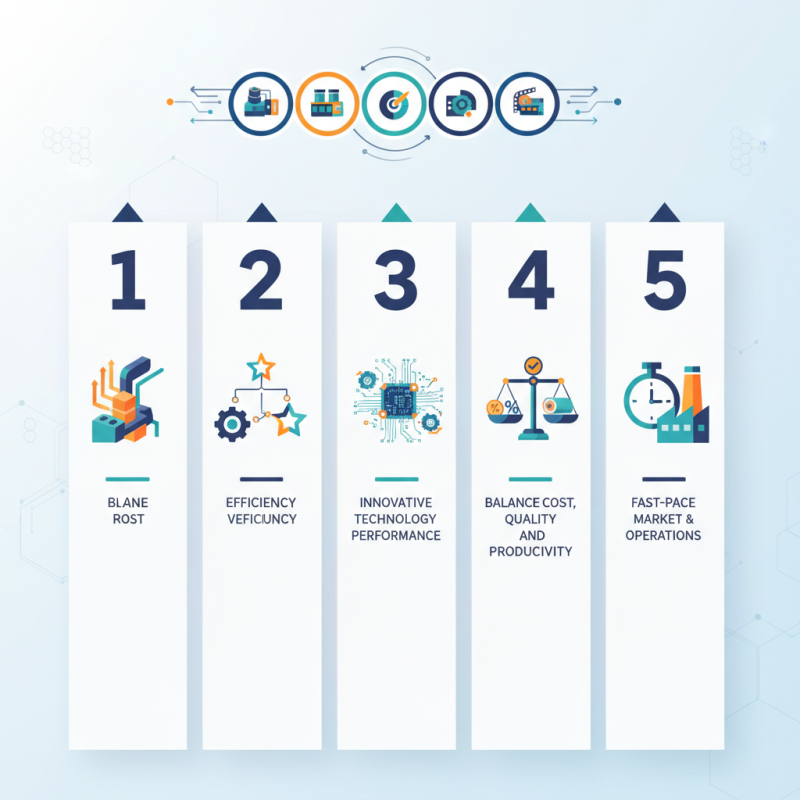
Many companies rely on aba blown film machines for their efficiency and versatility. Some models stand out due to their innovative technology and performance. However, selecting the right one can be challenging with so many options. It’s important to consider what suits your production needs best.
While exploring these machines, one might find it overwhelming to choose the perfect fit. Each machine has unique features and benefits to offer. Balancing cost, quality, and productivity can lead to tough decisions. Reflecting on these choices is vital for successful operations in today’s fast-paced market.
Overview of ABA Blown Film Technology
ABA blown film technology is a popular method used in various industries. The process involves three layers: inner, middle, and outer. These layers combine to create films with unique properties. This design enhances durability and flexibility. It can also improve barrier properties, making it suitable for food packaging and other applications.
The key advantage of ABA technology lies in its efficiency. It allows manufacturers to use different materials in a single film. This can reduce costs and meet specific product requirements. However, the setup can be complex. Operators must be skilled. Minor adjustments can lead to significant changes in film quality. This aspect requires constant monitoring and refinement.
Despite its benefits, challenges exist in ABA technology. Achieving consistent thickness and transparency can be difficult. Manufacturers often face hurdles in balancing production speed and quality. Testing and iterations are crucial to solve these issues. Overall, ABA blown film technology continues to evolve, providing exciting opportunities for growth and innovation.
Key Features of ABA Blown Film Machines
When it comes to ABA blown film machines, understanding their key features is essential. These machines are designed to produce high-quality films for various applications. Efficiency is a major factor. The dual layer technology enhances strength and impact resistance. Films produced can be thinner yet stronger, meeting diverse industry needs.
One of the notable features is the adaptability for different materials. Not all films require the same setup. By adjusting parameters, operators can switch from one material to another with ease. This flexibility saves time and reduces waste, although it may occasionally require deep understanding of the material properties.
**Tip:** Regular maintenance is crucial. This keeps the machine running smoothly and reduces downtime. Operators should follow a strict maintenance schedule, looking for signs of wear and tear.
Another important feature is the energy efficiency of these machines. Lower energy consumption is a plus for businesses looking to reduce costs. However, finding the balance between energy use and production speed can be tricky.
**Tip:** Monitor energy usage patterns closely. This helps identify areas where improvements can be made. Small changes can lead to significant savings over time. By focusing on these key features, you can make informed decisions about ABA blown film machines.
Top 5 ABA Blown Film Machines - Key Features
Top 5 ABA Blown Film Machines: A Detailed Review
Blown film extrusion is a popular method in plastic manufacturing. Many businesses rely on ABA blown film machines. Understanding your options can be crucial. Here are five notable machines you should consider.
When evaluating these machines, look for their efficiency. Efficiency impacts production costs significantly. Some machines may produce faster but waste more materials. Balance speed and waste reduction is essential. It's a common area where errors happen.
Tips: Always assess energy consumption too. A more efficient machine can lower utility bills. Check the warranty. A good warranty signifies manufacturer confidence.
Another consideration is the setup and maintenance. Some machines require skilled technicians. If your team lacks training, it could lead to failures. Training incurs additional costs. Be realistic about machine complexity. Expect that you may need adjustments.
Tips: Read user reviews for practical experiences. They often highlight issues overlooked in specs. A machine might seem excellent on paper yet fall short in real-world applications.
Comparison of Performance and Efficiency in ABA Machines
When selecting an ABA blown film machine, performance and efficiency are crucial factors that impact production. The design significantly affects the output quality. Key aspects include the need for precise temperature control and uniform airflow. An evenly distributed temperature ensures consistent film thickness. Variability in temperature can lead to defects, proving how sensitive the process is.
Another vital point is energy consumption. Some machines operate more efficiently than others. This discrepancy can lead to substantial cost differences over time. While some designs boast high throughput, they may also consume more power. Energy efficiency should not be overlooked. Operators must weigh productivity against energy use to make informed choices.
Additionally, operator skill plays a role in overall efficiency. Machines can be advanced, yet poor operation can lead to waste. Training is essential for maximizing the potential of any machine. It's not just about the hardware; human oversight is key. Reflecting on these elements can highlight areas for improvement, underscoring the balance between technology and expertise in the ABA blown film industry.
Future Trends in ABA Blown Film Machine Design and Functionality
The ABA blown film industry is evolving rapidly. Future trends indicate a shift towards enhanced efficiency and sustainability. According to recent reports, the global market for blown film machines is expected to grow by 4.5% annually until 2027. Manufacturers are investing in innovative designs that minimize material waste and energy consumption.
New technologies are emerging. For instance, advancements in control systems enable better monitoring of film thickness. This precision leads to reduced defects. Industry experts highlight that machines with integrated automation can boost productivity by over 20%. However, these innovations often come with a steep learning curve. Companies must invest in training their workforce to adapt to new tools.
Eco-friendly materials are becoming more popular. Many blown film machines now accommodate biodegradable inputs. This shift reflects growing consumer demand for sustainable packaging. However, the challenge remains in scaling these solutions for mass production. Efficiency must not come at the cost of quality. Manufacturers are grappling with how to balance these elements in their designs. The future will likely see more focus on resource conservation alongside performance enhancement.
 Skip to content