What Is the Top 3D Rendering Demo for Global Buyers?
Global buyers need more than polished images when judging a 3D Rendering Demo. They need evidence that a digital model can support real decisions. A strong demo should show accurate materials, realistic lighting, smooth navigation, and clear product details. It should also perform reliably on ordinary business devices, not only powerful studio computers.
Jensen Huang, NVIDIA’s founder and CEO, famously described ray tracing as “the holy grail of computer graphics.” His statement explains why lighting quality matters. A convincing demo can show sunlight moving across a kitchen surface, reflections changing on metal, or fabric texture appearing under soft indoor light. These details help buyers imagine the final product. Yet visual realism alone is not enough. Global customers may also examine loading speed, language support, file compatibility, privacy safeguards, and mobile performance.
No demo is perfect.
This article explores what makes a top 3D Rendering Demo valuable for international buyers. It considers visual accuracy, interactive features, technical stability, and the credibility of the provider. Practical experience matters here. A beautiful walkthrough may fail during a live sales meeting if the camera stutters or a product option cannot update. That weakness should not be ignored. Buyers should test the demo with real models, different screen sizes, and realistic internet conditions. They should ask who created the rendering workflow, how revisions are handled, and whether performance claims are independently supported. The best demo is not always the most dramatic one. It is the one that communicates clearly, performs consistently, and earns confidence across markets.
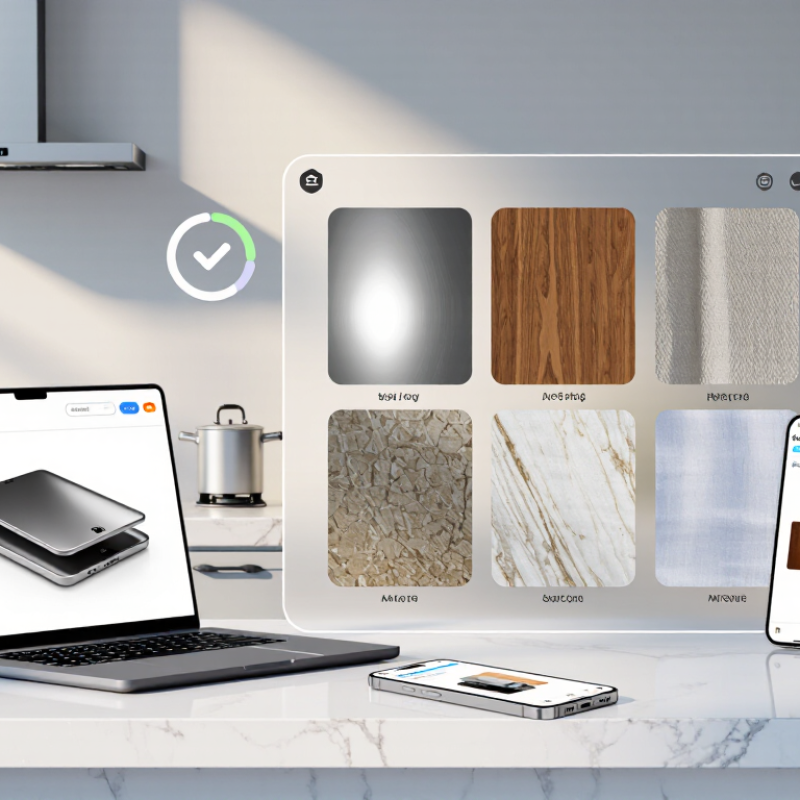
What Defines a Top 3D Rendering Demo for Global Buyers
A top 3D rendering demo for global buyers is defined by clarity, accuracy, and practical relevance. It should show the product from useful angles, not only attractive views. Buyers need to inspect dimensions, surface textures, moving parts, and assembly details. Realistic lighting helps, but excessive effects can hide important information. A reliable demo also loads quickly on ordinary devices and supports clear measurements, multiple units, and accessible navigation.
Tips: Show one close-up, one full view, and one real-use scene. Keep labels readable. Test the demo on a phone and a slower connection. Explain material changes honestly. A beautiful model is not enough.
Professional credibility comes from consistent details. The shadows should match the light source. Reflections should follow the material. Moving components must behave realistically. I have seen demos lose buyer confidence because a door opened through a wall. Small errors matter. They suggest larger errors may exist. Still, perfection is not always necessary. A simple, well-documented demo can outperform a complex one that feels confusing. Include brief notes about assumptions, available configurations, and known limitations. This shows experience rather than hiding uncertainty. Global buyers often compare products across languages and markets, so visual instructions should remain understandable without heavy text. Clear icons, neutral colors, and stable performance make the experience more dependable.
Which Visual Features Make a 3D Rendering Demo Effective
What Is the Top 3D Rendering Demo for Global Buyers?
Which Visual Features Make a 3D Rendering Demo Effective
An effective 3D rendering demo makes product details easy to inspect. Global buyers need more than polished images. They need dependable visual evidence. Show the product from several angles, including front, side, top, and close-up views. Add realistic materials, soft shadows, and accurate proportions. A metal surface should reflect light naturally. A fabric surface should show subtle texture. These details help viewers judge quality before requesting samples.
Interactive controls can improve confidence. Let buyers rotate the model, zoom into joints, and compare color options. Include a clear scale reference, such as a hand, chair, or standard room setting. Product dimensions should remain consistent across every view. Small errors matter. A handle that changes size between scenes can weaken trust. I have found that simple lighting often communicates form better than dramatic effects. However, some demos still use excessive reflections. They look attractive, but they hide useful information.
Tips: Keep loading times short. Use readable labels. Show functional details, not only beauty shots. Test the demo on mobile devices and slower connections. Add captions for key materials and measurements. Invite feedback from buyers in different regions, because visual expectations can vary. Some design choices may still confuse viewers. That is worth reviewing before publication.
What Is the Top 3D Rendering Demo for Global Buyers? - Which Visual Features Make a 3D Rendering Demo Effective
| Visual Feature | Buyer Evaluation Dimension | Recommended Demo Standard | Suggested Weight | Why It Matters in Global Sales |
| Photorealistic Materials | Surface realism, finish accuracy, and perceived product quality | Show at least 4 material finishes and 2 close-up views | 22% | Buyers can inspect texture, gloss, roughness, transparency, and color before requesting physical samples. |
| Accurate Lighting and Shadows | Form readability, dimensional clarity, and visual credibility | Include daylight, studio, and low-light scenes | 18% | Consistent lighting helps international buyers understand shape and use conditions without relying on local demonstrations. |
| 360-Degree Product View | Coverage of front, rear, side, top, and bottom details | Full rotation with no hidden product angles | 16% | A complete view reduces uncertainty about construction, proportions, connectors, and installation orientation. |
| Exploded and Section Views | Internal structure, assembly logic, and serviceability | Display 3–6 major components with labeled callouts | 14% | Technical buyers can evaluate assembly, maintenance, replacement parts, and integration requirements more efficiently. |
| Realistic Scale and Dimensions | Fit, clearance, packaging, and installation feasibility | Show key dimensions in metric units and provide unit conversion | 12% | Metric dimensions and optional imperial conversion support buyers across different markets and engineering systems. |
| Variant Configuration | Customization of color, size, accessories, and layout | Demonstrate at least 3 configurable options | 10% | Interactive variants make the demo more relevant to different regulations, environments, and purchasing specifications. |
| Interactive Performance | Loading speed, responsiveness, and ease of use | Target initial display within 3 seconds on a standard connection | 8% | Fast, responsive interaction is important for remote presentations, mobile users, and buyers with different network conditions. |
| Total Evaluation Weight | 100% | Balanced assessment for visual quality, technical clarity, and buyer usability |
Evaluation note: The recommended standards are practical benchmarks for creating a buyer-facing 3D rendering demo. Actual requirements may vary by product category, file size, target market, and presentation channel.
How 3D Rendering Demos Support International Buyer Decisions
What Is the Top 3D Rendering Demo for Global Buyers?
A strong 3D rendering demo helps global buyers decide before physical samples arrive. It shows scale, materials, assembly, and practical use in a familiar setting. A buyer in Dubai may inspect shade behavior, while a buyer in Germany studies edge finishes. Interactive views also reduce language barriers. Clear labels matter more than decorative effects. From project reviews, the best demos answer ordinary questions quickly: What arrives? How is it installed? What could fail?
Tips:
Build the demo around buyer decisions, not only visual beauty. Use measured dimensions, realistic lighting, and close-ups of joints, textures, and moving parts. Add captions in simple international English. Let users switch views, compare options, and revisit details without delays. Include a short technical sheet beside the rendering. It should state tolerances, maintenance needs, and installation conditions. Avoid claims that the image cannot prove. A polished scene can still mislead if reflections hide a surface flaw.
For international purchasing teams, a reliable demo creates a shared reference for design, sales, engineering, and procurement. It supports early cost discussions and reveals questions before production.
Yet rendering is not proof of performance. Physical samples, verified specifications, and human review remain necessary. That limitation should be visible. Sometimes, a slightly imperfect demo earns more trust because it shows realistic shadows, small assembly gaps, and honest constraints. Global buyers need confidence, not fantasy. The top demo makes the next decision safer.
What Technical Standards Should a Global Demo Meet
A top 3D rendering demo for global buyers must meet technical standards before it impresses visually. It should use physically based rendering, consistent sRGB color, realistic light behavior, and glTF 2.0 for efficient asset delivery. These choices reduce visual surprises across browsers, devices, and regions.
Performance is measurable. Google’s Core Web Vitals define good loading performance as an LCP of 2.5 seconds or less, INP below 200 milliseconds, and CLS under 0.1. A global demo should target these thresholds on mid-range mobile devices, not only powerful office computers. WebGL 2.0 support, compressed textures, adaptive model detail, and lazy loading can help. A 4K texture may look excellent, but it can punish users on slower networks. Smaller assets often sell better.
Accessibility also matters. WCAG 2.2 recommends sufficient contrast, keyboard access, visible focus, and text alternatives for meaningful visual content. A useful demo should allow orbit controls, reset views, zoom limits, and clear product measurements. The 2024 Web Almanac continues to show that image-heavy pages create substantial transfer costs, although exact results vary by device and connection. I have seen beautiful demos fail because controls were unclear or lighting hid product edges. Technical testing should include at least three browsers, two screen sizes, and simulated international network conditions. Perfection is unlikely. Honest testing is better.
How to Evaluate and Compare 3D Rendering Demos Objectively
What Is the Top 3D Rendering Demo for Global Buyers?
How to Evaluate and Compare 3D Rendering Demos Objectively
A strong 3D rendering demo should be judged by evidence, not visual excitement. Compare identical models, camera angles, lighting conditions, and output resolutions. Otherwise, the comparison becomes unreliable. A darker scene may hide weak geometry. Excessive reflections may disguise inaccurate materials. Use a shared evaluation file whenever possible.
Check measurable details during testing. Record render time, file size, frame rate, and hardware requirements. Inspect edges on furniture, product seams, glass thickness, and surface textures. Zoom into small areas. Look for flickering shadows, broken reflections, unnatural depth, or missing details. A professional demo should also show consistent performance across different scenes, not only one carefully prepared image.
Practical experience matters here. Request the original files, production settings, and a repeatable test process. Ask whether users can revise colors, dimensions, lighting, and camera positions without rebuilding everything. Global buyers should also examine documentation, technical support, accessibility, and data handling practices. Independent reviewers can reveal weaknesses that polished presentations conceal. Even this method is imperfect. Personal displays, internet speed, and visual preferences can influence results. Keep written scores and screenshots, then invite another evaluator to repeat the test. The top demo is not always the most dramatic. It is the one that performs consistently, explains its limits, and supports dependable decisions.
What Is the Top 3D Rendering Demo for Global Buyers?
This 100-point evaluation framework ranks the factors global buyers can compare objectively when reviewing a 3D rendering demo. Visual fidelity and technical accuracy receive the highest weight, while performance, interactivity, output readiness, and accessibility complete the assessment.
 Skip to content