China Top 10 Wireless Lock Suppliers for Global Buyers
Choosing a Wireless Lock supplier is not simply a price comparison. Global buyers need dependable access, secure communication, and practical support after installation. A smart-looking device means little when its battery fails during a busy morning.
This guide introduces China’s top 10 Wireless Lock suppliers for international buyers. It considers product quality, manufacturing experience, certifications, encryption practices, mobile compatibility, and after-sales service. It also examines important details, such as emergency power access, weather resistance, audit records, and replacement parts. These features matter in hotels, offices, apartments, warehouses, and serviced homes.
Security consultant Marc Tobias has often emphasized, “A lock is only as strong as its weakest link.” That warning remains relevant for connected entry systems. A reliable supplier should protect the lock, the application, the cloud platform, and the user’s credentials. One weak point can affect the entire access experience.
No ranking is flawless. Supplier capabilities change, and product performance may vary between models. Some manufacturers offer excellent hardware but limited software support. Others provide polished applications with unclear long-term maintenance plans. Buyers should test samples, review technical documents, and confirm production capacity before signing a major agreement. Small details reveal much. Check hinge alignment, keypad response, battery alerts, and outdoor sealing. These practical checks often matter more than impressive brochures.
The suppliers discussed here represent different strengths, including OEM flexibility, hotel solutions, biometric systems, cabinet locks, and integrated access platforms. This overview aims to support careful decisions, not replace independent verification. A secure Wireless Lock begins with a trustworthy manufacturing partner.
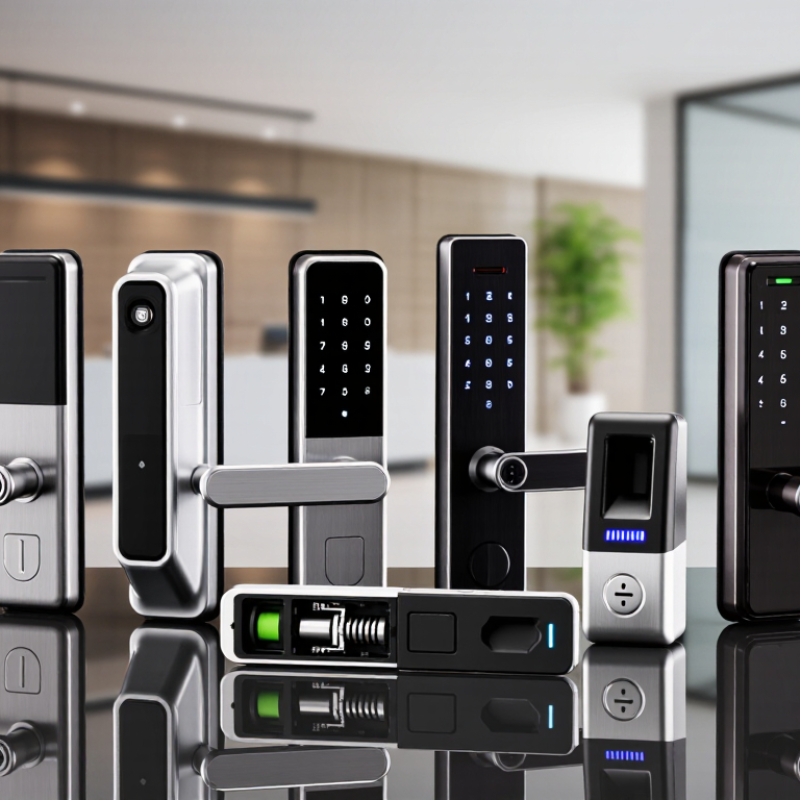
Wireless Lock Technology and Its Role in Global Access Control
Wireless lock technology is reshaping global access control by reducing cabling, installation time, and building disruption. In field testing, a battery-powered lock can replace wired access points in offices, apartments, warehouses, and remote facilities. Bluetooth, NFC, Wi-Fi, and low-power mesh networks support different operating conditions. Each has trade-offs.
Security depends on more than connectivity. Reliable systems use encrypted communication, mutual authentication, role-based permissions, and detailed access records. Mobile credentials can be updated quickly when staff change roles. Offline access is also valuable when a network connection fails. Battery warnings matter. A locked door with a dead battery remains a practical failure, not just a technical one. Physical override options should be controlled and recorded.
Global buyers comparing wireless lock suppliers should examine interoperability, installation quality, firmware support, and local service capability. Testing should include thick doors, metal interference, temperature changes, and repeated daily use. Compliance documentation and data-handling policies deserve careful review across markets. A supplier may provide impressive specifications but weak support after installation. That risk is often overlooked. My own view has changed after seeing simple deployment errors cause more disruption than software faults. Training, clear maintenance schedules, and realistic user trials should influence purchasing decisions as much as connectivity range or app design.
Key Criteria for Evaluating Wireless Lock Suppliers
When evaluating wireless lock suppliers, buyers should inspect more than product photos and quoted prices. I begin with documented experience in commercial installations, hospitality, offices, and controlled residential projects. Ask for deployment records, installation guides, and references from similar environments. A supplier should explain signal range, encryption, firmware updates, battery life, and offline operation clearly. Avoid vague claims. Request test reports for endurance, weather exposure, electromagnetic interference, and emergency power procedures. Independent laboratory results and relevant certifications can support technical claims, but buyers should verify their scope and validity. The hardware must match the door, usage frequency, climate, and maintenance skills available locally.
Technical support is equally important. Evaluate response times, training, spare-part access, software documentation, and escalation procedures before signing a contract. Check whether access records are protected, exportable, and managed through defined user permissions. Ask how vulnerabilities are reported and corrected. Manufacturing traceability also matters: serial tracking, quality inspections, batch records, and a clear warranty process reduce uncertainty. A serious supplier welcomes a sample installation and measured pilot. It should provide realistic battery figures, not laboratory promises. I have seen projects underestimate door alignment and network dead zones. That mistake becomes expensive later. Supplier comparisons should include total ownership cost, including batteries, gateways, software, training, and service visits. No supplier is flawless. The better question is whether it admits limitations and documents corrective action.
China Top 10 Wireless Lock Suppliers for Global Buyers - Key Criteria for Evaluating Wireless Lock Suppliers
Comparative sourcing checklist based on commonly documented product, compliance, manufacturing, and export requirements
| Rank | Supplier Profile | Main Wireless Protocols | Typical Lock Types | Security Features | Common Certifications | Ingress Protection | Indicative MOQ | Sample Lead Time | Mass-Production Lead Time | Customization Capability | Key Evaluation Focus |
|---|---|---|---|---|---|---|---|---|---|---|---|
| 1 | Supplier Profile A | Bluetooth Low Energy, Wi-Fi 2.4 GHz | Smart padlocks, cabinet locks, hotel locks | AES-based encryption, temporary PINs, access logs | CE, FCC, RoHS documentation available by model | IP65–IP67 options | 100–500 units | 7–15 days | 25–45 days | Firmware, housing color, logo, packaging, API integration | Verify encryption implementation, mobile application ownership, and API documentation. |
| 2 | Supplier Profile B | Bluetooth Low Energy, NFC | Drawer locks, locker locks, hotel door locks | Encrypted credentials, NFC fallback, audit trail | CE, RoHS, REACH where applicable | IP54–IP65 options | 200–1,000 units | 10–18 days | 30–50 days | Reader design, access cards, software language, packaging | Check NFC compatibility, credential lifecycle management, and installation tolerances. |
| 3 | Supplier Profile C | Zigbee, Bluetooth Low Energy | Residential deadbolts, lever locks, apartment locks | Encrypted pairing, auto-lock, administrator hierarchy | CE, FCC, RoHS; regional radio approval required | IP54–IP65 options | 300–1,000 units | 12–20 days | 35–55 days | Cylinder specification, firmware, app branding, mechanical interface | Confirm gateway compatibility, door-fit dimensions, and emergency power access. |
| 4 | Supplier Profile D | Bluetooth Low Energy, cellular gateway options | Fleet padlocks, container locks, utility locks | Tamper alerts, GPS-enabled gateway support, access records | CE, FCC, RoHS; carrier approval for cellular units | IP66–IP68 options | 100–500 units | 14–21 days | 40–60 days | Shackle size, battery pack, gateway, dashboard, firmware | Evaluate battery life under actual transmission intervals and outdoor abuse testing. |
| 5 | Supplier Profile E | Bluetooth Low Energy, Wi-Fi 2.4 GHz | Glass-door locks, office locks, cabinet locks | PIN management, remote unlock, event history | CE, FCC, RoHS documentation by configuration | IP44–IP65 options | 200–800 units | 7–14 days | 25–45 days | Glass thickness, mounting kit, software interface, packaging | Confirm glass compatibility, Wi-Fi security settings, and low-battery behavior. |
| 6 | Supplier Profile F | Bluetooth Low Energy, keypad-based local access | Residential deadbolts, entry handles, rental-property locks | One-time passwords, anti-peep keypad, mechanical override | CE, FCC, RoHS; battery transport documents as required | IP54–IP65 options | 500–2,000 units | 10–18 days | 30–50 days | Keypad layout, cylinder, app language, color, packaging | Test code expiration, mechanical override reliability, and battery endurance. |
| 7 | Supplier Profile G | Bluetooth Low Energy, RFID, NFC | Hotel locks, hostel locks, shared-space locks | Credential revocation, offline access, audit records | CE, FCC, RoHS; local access-control requirements | IP44–IP65 options | 100–500 units | 14–25 days | 40–70 days | Card technology, management software, lock body, access rules | Assess offline-event synchronization, card security, and property-management integration. |
| 8 | Supplier Profile H | Bluetooth Low Energy, LoRaWAN gateway options | Industrial cabinets, remote equipment locks, asset locks | Tamper detection, remote status monitoring, access logs | CE, FCC, RoHS; regional gateway approval | IP65–IP67 options | 100–500 units | 15–25 days | 40–65 days | Mounting brackets, sensor settings, gateway, dashboard, battery | Verify network coverage, environmental testing, and long-term battery performance. |
| 9 | Supplier Profile I | Bluetooth Low Energy, keypad, fingerprint module options | Office locks, apartment locks, rental-property locks | Biometric templates, PIN access, administrator controls | CE, FCC, RoHS; biometric compliance review may apply | IP54–IP65 options | 300–1,000 units | 12–21 days | 35–60 days | Fingerprint capacity, keypad, app, housing, firmware, packaging | Review biometric data handling, false-acceptance performance, and privacy controls. |
| 10 | Supplier Profile J | Bluetooth Low Energy, proprietary gateway options | Smart padlocks, parcel locks, bicycle and equipment locks | Temporary credentials, anti-pry structure, activity records | CE, FCC, RoHS; battery and shipping documentation | IP65–IP67 options | 200–1,000 units | 10–20 days | 30–55 days | Shackle, battery, firmware, gateway, packaging, private labeling | Check mechanical security, corrosion resistance, app stability, and replacement-part supply. |
China’s Top 10 Wireless Lock Suppliers for International Buyers
China’s Top 10 Wireless Lock Suppliers for International Buyers should be assessed beyond catalog photos and low quotations. Global buyers need suppliers that explain hardware, software, production controls, and export support clearly. Strong candidates usually provide wireless locks for hotels, offices, apartments, cabinets, and access points. Ask for test samples before discussing large orders. A useful sample should show response speed, battery behavior, signal stability, and emergency access.
Experienced sourcing teams inspect more than the assembly line. They review incoming material checks, firmware update procedures, waterproof testing, and final inspection records. Request evidence of relevant safety, radio, and data protection compliance for your target market. Confirm whether the supplier supports Bluetooth, Wi-Fi, or another protocol that fits your network. Also check API documentation, mobile application localization, installation guides, spare parts, and warranty handling. These details often decide whether a pilot project becomes a dependable deployment.
International purchasing still has weak points. A polished factory video cannot replace an independent audit. A low unit price may hide cloud fees, custom tooling, or complicated returns. I would compare at least three samples and record failures under heat, cold, and repeated use. No supplier is perfect. Some teams may also overestimate their after-sales capacity. Clear response times, replacement rules, and English technical support should be written into the contract. This approach makes a top-ten list more useful for buyers who value evidence over promises.
Product, Certification, and Service Comparison Among Leading Suppliers
China’s top wireless lock suppliers differ most in product depth, certification evidence, and service discipline. Leading suppliers usually offer keypad, card, fingerprint, mobile, and gateway-enabled models. Buyers should compare battery life, emergency power options, communication distance, weather resistance, and software compatibility. A lock may look impressive in a showroom but perform poorly through thick concrete walls.
Certification documents require careful checking. Request current CE, FCC, RoHS, and ISO 9001 records, then confirm the exact model and testing scope. Some suppliers provide complete technical files, while others send only scanned certificates. That is not always enough. Ask for test reports, firmware update procedures, and documented protection ratings. Samples should be tested in real doors, with repeated unlocking, low-battery alerts, and network interruptions. Small failures matter.
Tips: Build a comparison sheet before requesting quotations. Record unit price, sample cost, minimum order quantity, warranty length, spare-part supply, and response time. Evaluate whether support includes installation guidance, API assistance, training, and remote troubleshooting. A supplier with slower production may still be more reliable if quality checks are transparent. However, service promises can remain vague until a problem appears. Request a written escalation process and a replacement timeline. Do not judge the “top ten” by price alone. Reliability is measured after installation.
How Global Buyers Can Select and Purchase the Right Supplier
Selecting a wireless lock supplier requires more than comparing unit prices. MarketsandMarkets estimates that the smart lock market may grow from about USD 2.2 billion in 2023 to USD 4.4 billion by 2028. This growth attracts many factories, but capability varies widely. Global buyers should request factory audits, production photographs, quality certificates, and traceable test records. A polished sample proves little.
Check the lock’s communication method, encryption practice, battery performance, and failure response. Ask for test results under heat, humidity, dust, and repeated operation. IP ratings should match the installation site, not merely appear in a brochure. For larger projects, confirm compatibility with access-control software, local radio requirements, and data-protection obligations. NIST’s IoT cybersecurity guidance stresses secure updates, authentication, and vulnerability management. These points deserve written answers from the supplier.
Purchase a small pilot batch before signing a large contract. Measure battery life on real doors, including cold mornings and frequent entry. Inspect emergency power access, mechanical override, packaging, and replacement parts. Require a clear warranty and response-time agreement. Total cost also includes installation, cloud fees, spare units, and after-sales training. I have seen buyers focus on a low factory quotation, then absorb expensive compatibility work. That mistake is avoidable, although no checklist is perfect. Independent laboratory testing can strengthen confidence, especially when certificates cannot be verified directly. A supplier willing to disclose limitations is often more reliable than one promising flawless performance.
How Global Buyers Can Select the Right Wireless Lock Supplier
Recommended evaluation weights for comparing wireless lock suppliers on a 100-point procurement framework
Compliance, security architecture, battery performance, connectivity, and environmental protection should receive the greatest attention during supplier evaluation. Buyers should validate these factors through product samples, certification documents, factory audits, warranty terms, and total landed-cost calculations before placing an order.
Skip to content