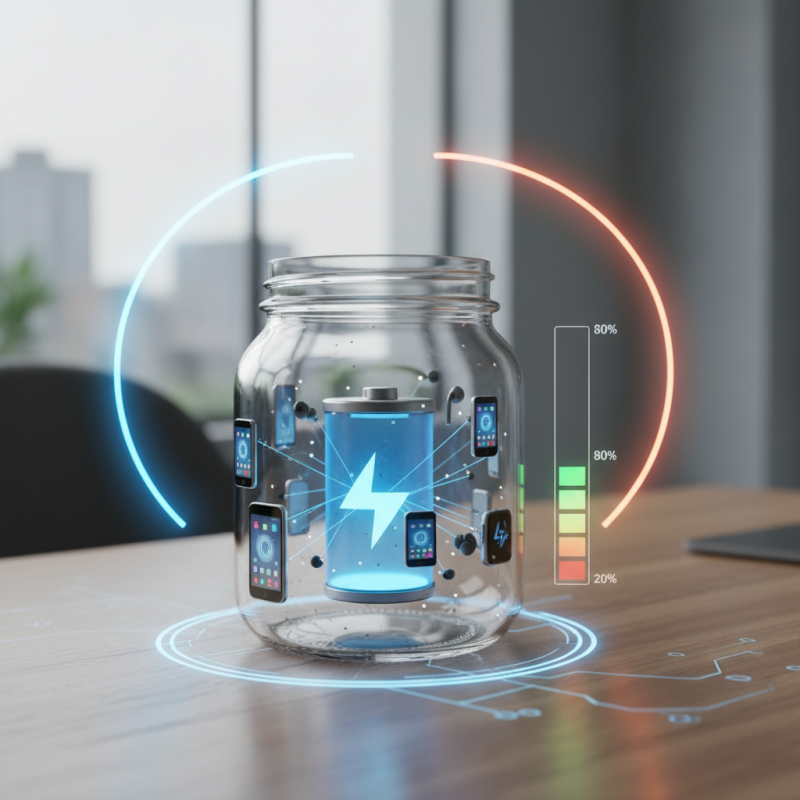
Top Tips for Extending the Life of Lithium Batteries?
Lithium Batteries are vital in powering modern technology. Their demand has surged, with a forecasted market growth of 20% annually. Yet, many users struggle to maximize their lifespan. According to Dr. Emily Carter, a leading expert in battery technology, "Understanding battery care is essential for longevity."
Proper care is often overlooked. Users frequently charge their devices overnight, leading to overcharging. This poor habit can degrade battery health. Studies indicate that maintaining battery levels between 20% and 80% can significantly extend their life. Additionally, extreme temperatures can adversely affect performance.
Awareness of these factors is crucial. Many people remain unaware of how simple practices can enhance their lithium batteries' longevity. As the tech industry evolves, so should our approach to battery maintenance. Reflecting on best practices can help users embrace a more sustainable tech lifestyle.
Understanding Lithium Battery Basics
Lithium batteries are widely used in various devices, from smartphones to electric vehicles. Understanding their basics can help users maximize their lifespan. These batteries typically last 2 to 3 years with proper care. In fact, according to industry studies, a significant drop in performance occurs after around 300 to 500 charge cycles.
One key tip for extending battery life is to avoid extreme temperatures. High heat can expedite degradation, reducing overall battery capacity. Try to store devices in a cool, dry place. Regularly monitoring the charge level also matters. Avoid letting the battery drain completely; it’s better to recharge at around 20%.
Another aspect to consider is charging habits. Frequent partial recharges can be beneficial for lithium batteries. However, never keep them plugged in for hours after reaching full charge. Charging directly to 100% all the time can also lead to quicker wear. Keep in mind that these simple changes can have a noticeable impact on longevity.
Proper Charging Techniques for Longevity
Proper charging techniques play a crucial role in extending the life of lithium batteries. Studies indicate that improper charging can dramatically reduce battery lifespan. For example, batteries that regularly reach 100% charge tend to degrade faster. Keeping your battery between 20% and 80% charge is often recommended. This practice helps minimize the stress on the battery.
Many users still charge their devices overnight, which can lead to overcharging. This habit may seem harmless, but it can harm the battery over time. Lithium batteries are sensitive to heat. When charging, ensure your device is in a cool, well-ventilated area. High temperatures can increase degradation rates by 20-30%.
Tip: Try to use a charger that matches your device's specifications. Incompatibility can affect charging speed and efficiency. Another tip is to avoid using your device while it’s charging. This can generate heat and increase wear. Many people overlook these practices, often out of convenience. Yet, small changes can lead to significant battery longevity.
Optimal Storage Conditions for Lithium Batteries
When it comes to optimizing storage conditions for lithium batteries, temperature control is crucial. Ideally, store batteries in a cool, dry place. Temperatures between 20°C and 25°C are optimal. Extreme heat can damage them. Too cold can lead to performance issues. Avoid leaving batteries in hot cars or direct sunlight.
Humidity also plays a significant role. High humidity can lead to corrosion, impacting battery life. Keep them in a low-humidity environment. A dehumidifier can help. Using silica gel packets in storage can absorb excess moisture.
Tips for extending battery life include minimizing exposure to extremes. Regularly check batteries for signs of deterioration. A good rule is to maintain charge levels around 40% for long-term storage. Don't let them fully discharge; it can cause irreversible damage. Each step matters. These small actions can extend the functional life of your batteries significantly.
Optimal Storage Conditions for Lithium Batteries
The graph illustrates the impact of various storage temperatures on the lifespan of lithium batteries. As the temperature increases, the battery life decreases significantly. Optimal storage conditions are crucial for extending the battery’s longevity.
Regular Maintenance and Inspection Practices
Regular maintenance and inspection practices are vital for extending the life of lithium batteries. One effective method is routinely checking the battery terminals for corrosion. Corroded terminals can hinder performance. Clean them with a mixture of baking soda and water. This ensures good electrical contact and reduces the risk of malfunction.
Proper storage is another key factor. Batteries should be kept in a cool, dry place. High temperatures can damage the internal components. It's also essential to avoid fully discharging the battery. Aim to recharge when it reaches around 20% capacity. This habit allows the battery to maintain its health over time.
Visual inspections can reveal potential issues. Look for swelling, unusual heat, or leaks. Such signs indicate underlying problems that may require immediate attention. Documenting regular inspections may help track battery performance, revealing patterns over time. Remember that even minor neglect can lead to significant complications down the line.
Recognizing Signs of Battery Degradation
Lithium batteries are essential to modern devices. However, they degrade over time. Recognizing the signs of battery degradation can help users prolong their battery life. One major indicator is reduced capacity. A battery's capacity drops significantly when it can only hold 80% of its original charge. Research shows that batteries lose 20% of their capacity after about 500 charge cycles.
Another sign is rapid discharge. If your device drains power quickly, it may indicate battery wear. For example, a smartphone that used to last a full day might only last a few hours after extended use. According to studies, battery performance declines faster in high temperatures. Keeping batteries in extreme conditions accelerates degradation.
Physical changes also signal problems. Swelling or leakage can be alarming signs. Even minor swelling indicates internal damage. Many users overlook these issues, but they are critical warning signs. Observing these changes can prevent safety hazards and device failure. Awareness is key to battery care. Understanding these signs leads to better management of lithium batteries.
Top Tips for Extending the Life of Lithium Batteries - Recognizing Signs of Battery Degradation
| Tip | Description | Signs of Degradation |
| Avoid Overcharging | Stop charging when the battery reaches 100% to prevent stress on the cell. | Frequent overheating during charging. |
| Regular Use | Using your battery regularly helps maintain its health. | Rapid decrease in capacity. |
| Keep Cool | Store and charge in a cool environment to avoid thermal damage. | Battery casing bulging or deforming. |
| Avoid Deep Discharge | Recharge the battery before it drops below 20%. | Inconsistent performance or shutdowns. |
| Use Quality Chargers | Using recommended chargers can prevent damage. | Increased charge times or failure to charge. |
 Skip to content