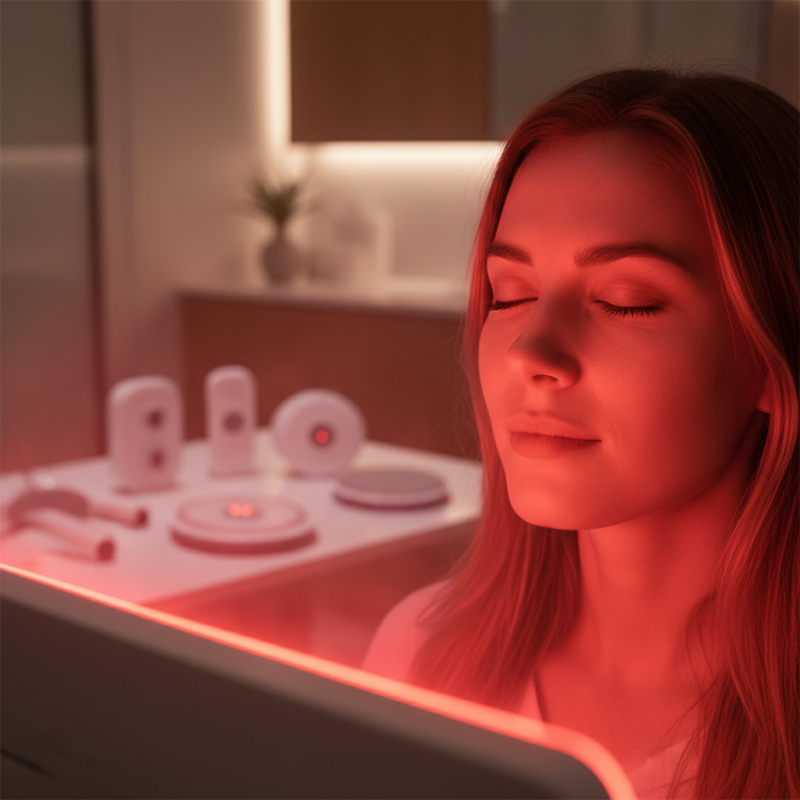
What is Red Light Therapy and How Does it Work?
Red Light Therapy is gaining attention in wellness circles. It utilizes specific wavelengths of light to promote healing and rejuvenation. Many people claim significant benefits for skin, muscles, and even mood. The therapy involves exposure to low-level red light. This light penetrates the skin, stimulating cellular processes.
Some believe Red Light Therapy can enhance collagen production. Others report reduced inflammation and pain relief. Devices vary in form, from handheld units to large panels. It's important to recognize that results can differ widely among users. While many find it effective, some experience minimal effects.
Skepticism exists about its efficacy. Not all studies universally support the claims. As interest grows, more research is needed to validate the benefits. Understanding how Red Light Therapy works can empower users to make informed decisions. Balancing hope with realistic expectations is essential.
What is Red Light Therapy?
Red Light Therapy (RLT) is gaining popularity for its potential health benefits. It uses low-wavelength red light to stimulate healing in the body. This therapy is non-invasive and is often used to improve skin conditions, reduce inflammation, and promote healing.
Some may wonder how it works. The red light penetrates the skin and affects cellular processes. It can enhance energy production in cells, which is essential for healing. This effect can lead to improved skin texture and reduced signs of aging.
When considering RLT, keep these tips in mind: Ensure the device you choose is safe and effective. Start with shorter sessions to see how your body responds. It’s important to stay consistent for the best results. Some people may notice changes quickly, while others might take longer. Be patient and observe your body's signals. Remember, individual experiences can vary significantly.
Red Light Therapy Benefits Overview
Red Light Therapy is known for its potential benefits in various areas of health. The chart illustrates the effectiveness of red light therapy in key areas such as skin rejuvenation, wound healing, pain reduction, inflammation, and hair growth, rated on a scale from 1 to 10.
The Science Behind Red Light Therapy
Red Light Therapy (RLT) has gained attention for its potential health benefits. The science behind this technique is fascinating. It uses low-wavelength red light, typically between 600 to 650 nanometers. This light penetrates the skin, reaching cellular levels.
When cells absorb this light, they can produce more energy. This occurs in the mitochondria, often referred to as the powerhouse of the cell. Increased energy can lead to faster healing and improved performance. Some studies suggest RLT may aid in reducing inflammation and enhancing muscle recovery. However, results can vary from person to person.
Despite the promising findings, some skepticism exists. Not everyone experiences noticeable improvements. Variables like skin type, treatment duration, and individual health status play a role. Moreover, the science is still evolving. Researchers continue to explore RLT's full potential. It is a field worth monitoring for future advancements.
How Red Light Therapy Works on Cells
Red light therapy involves applying specific wavelengths of light to the skin. This therapy penetrates deep into tissues, affecting cells and promoting natural healing. The light energy interacts with mitochondria, the powerhouse of cells, enhancing their function. This process boosts ATP production, leading to increased energy for cellular activity.
When cells receive this red light, they respond positively. They may heal faster and regenerate more effectively. Certain skin conditions like acne and wrinkles show improvement. However, results can vary. Not everyone experiences the same level of benefit. Factors like skin type and treatment duration play a role.
The therapy can feel relaxing, but it’s not a miracle cure. It’s important to have realistic expectations. Some might find the process slow. Others may not see visible changes right away. It’s a journey of discovery, exploring how light influences our biology in nuanced ways.
Potential Benefits of Red Light Therapy
Red light therapy has gained popularity for its potential benefits across various health and wellness areas. Many users report improved skin tone and texture. The therapy utilizes low-level wavelengths of light to penetrate the skin. This light can stimulate the production of collagen, which is vital for youthful skin. Users often notice a reduction in fine lines and wrinkles.
Some studies suggest that red light therapy may also aid in wound healing. It can enhance cellular function, promoting faster recovery from injuries. Many people recovering from exercise-induced muscle soreness find relief through regular sessions. However, results can vary widely among individuals. Some may not see noticeable changes, raising questions about its effectiveness for every person.
Additionally, while many embrace this therapy, not all understand its mechanisms. The science behind it is still evolving. The varying responses to treatment remind us that personal factors play a significant role. Some users experience slower results and may require consistent sessions for significant improvements. Balancing expectations with reality is crucial.
Safety and Considerations for Red Light Therapy
Red Light Therapy (RLT) has gained popularity for its potential benefits, but safety must be a priority. When using RLT, consider your skin type and sensitivity. Some people may experience mild irritation or redness after treatment. It’s crucial to start with short sessions. Gradually increase the duration as your skin adapts.
Wearing protective eyewear is essential during sessions. The intensity of the light can affect your eyes. Avoid looking directly at the light source to prevent discomfort or damage. Pregnant individuals or those with certain medical conditions should consult a healthcare provider before starting therapy. It’s always better to err on the side of caution.
Long-term effects of RLT are still being studied. Not everyone responds the same way to treatments. Some might see quick results, while others may need consistent efforts over time. Document your progress. Recognizing what works for you is part of the journey. Open communication with a professional can help navigate any uncertainties.
 Skip to content