What is a Rain Shower and How Does It Work?
In modern bathroom design, the Rain Shower has gained remarkable popularity. A report by the National Kitchen and Bath Association highlights that over 60% of homeowners prefer luxurious shower experiences. The gentle, cascading water mimics natural rainfall. Users feel more relaxed and connected to nature. This trend reflects a shift towards wellness in personal care routines.
Rain Showers come in various styles and sizes. Some models offer adjustable settings for different experiences. Industry experts note that 70% of buyers are willing to spend more on these features. However, questions arise about water usage. The environmental impact should not be overlooked. A high-flow rain shower can consume more water than traditional fixtures.
While the appeal of a Rain Shower is undeniable, consumers must consider functional aspects. Proper installation and maintenance are crucial. Not all bathrooms can accommodate this design. Space and plumbing constraints often limit choices. Balancing luxury with practicality remains a challenge for many homeowners.
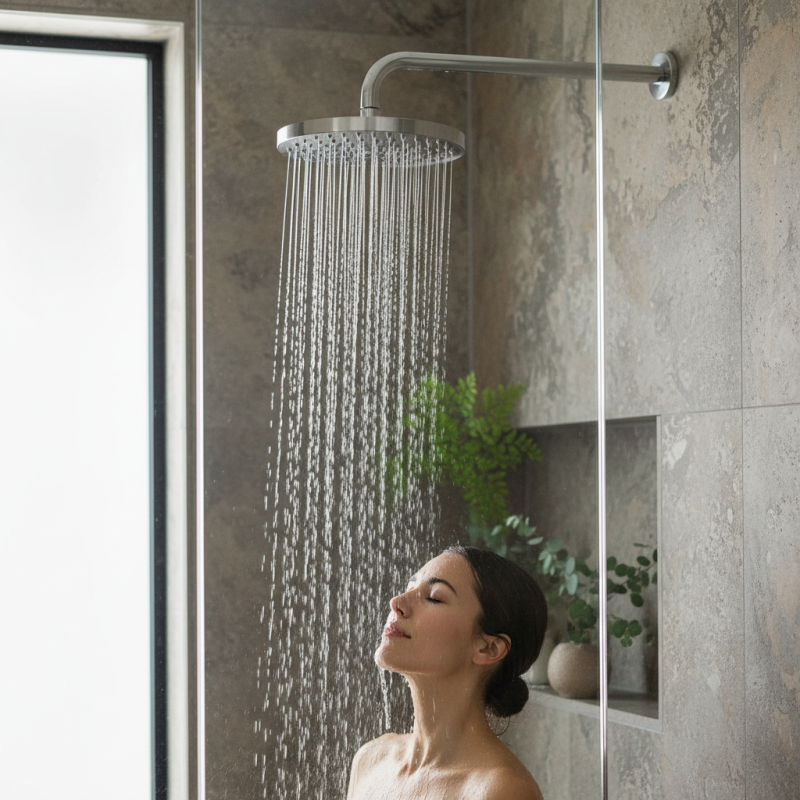
What is a Rain Shower: Definition and Overview
A rain shower, often found in modern bathrooms, simulates a gentle rain. This experience provides users with a soothing and relaxing shower. A rain showerhead is typically larger than traditional ones, measuring 8 to 12 inches in diameter. It distributes water evenly, creating a luxurious feel. According to industry reports, over 30% of homeowners in the U.S. are opting for rain showers during bathroom renovations.
The operation of a rain shower is fairly simple. It connects to your plumbing, often requiring a higher water pressure. Most designs feature wide spray patterns to mimic natural rainfall. Some models come with adjustable settings. This allows users to customize their experience. A study from the National Kitchen and Bath Association found that 60% of people prioritize shower experiences over bathtubs in new builds.
While rain showers are visually appealing, they may not be ideal for everyone. They can use more water than standard showerheads. This raises concerns about water conservation. Additionally, the larger spray area may not efficiently wash away soap. Not everyone enjoys the light, misty approach. Preferences can vary greatly among individuals. It's important to consider one's own needs when choosing the type of shower.
The Mechanism Behind Rain Showers: How They Function
Rain showers offer a unique experience in the bathroom. They are designed to mimic natural rainfall. This feature can create a soothing atmosphere. A recent industry report highlighted that nearly 30% of homeowners prefer rain showers for their relaxing qualities.
The mechanism behind rain showers lies in their specialized heads. These heads have numerous small nozzles that disperse water evenly and efficiently. According to a 2022 plumbing study, some rain shower heads can conserve water by up to 40%. This is especially important in areas facing water scarcity. However, not all rain showers guarantee an even flow. Users sometimes experience uneven pressure. This can lead to dribbles instead of a steady stream.
Installation plays a crucial role in functionality. Many homeowners may fail to check their water pressure before installation. An ideal pressure should be between 40 to 60 psi. If not, it can lead to unsatisfactory use. Additionally, some users claim that maintenance can be a hassle due to mineral buildup. Cleaning the nozzles regularly is essential but often neglected. These challenges remind users to consider practicality alongside luxury.
Key Benefits of Rain Showers for Homeowners and Spa Experiences
Rain showers offer a unique bathing experience that can transform a simple shower into a spa-like retreat. Unlike traditional shower heads, rain showers are designed to mimic the gentle, soothing effect of rain. They distribute water over a larger area, creating a light and refreshing sensation. This immersive experience can be very calming, making it a perfect addition to any bathroom.
One of the key benefits of rain showers is their ability to promote relaxation. The gentle cascade of water can ease tension and stress after a long day. Many people find themselves lost in thought as they stand beneath the soothing flow. It’s a mindful moment that encourages self-reflection. The soft sound of water can also drown out external noise, creating a personal oasis in your home.
Homeowners often enjoy the luxurious feel of rain showers, but they might overlook some practical aspects. Installation can sometimes be a challenge. Not all bathrooms are designed for rain showers, and adjustments may be necessary. Water temperature and pressure can vary as well. These details might require fine-tuning to achieve the desired effect. However, with a little patience, the rewards of daily relaxation and rejuvenation make it worthwhile.
Benefits of Rain Showers for Homeowners
Comparative Analysis: Rain Showers vs. Traditional Showerheads
Rain showers provide a unique bathing experience. Unlike traditional showerheads, they mimic the sensation of standing in the rain. The wide, flat design allows for a gentle cascade of water. This feeling can be invigorating. Some people find it more relaxing than the standard sprays. However, the water pressure can be less intense. Some may miss the powerful streams of a traditional setup.
Traditional showerheads often offer a variety of spray patterns. Users can adjust the water flow to match their needs. This can provide a more targeted cleanse. Conversely, rain showers usually provide a uniform flow. This can sometimes feel insufficient for those who enjoy a vigorous shower. Additionally, installation can be a bit tricky. Rain showers typically require a larger space and careful plumbing adjustments to fit.
The aesthetic appeal of rain showers is undeniable. They often look sleek and modern. However, they might not fit every bathroom style. Regular maintenance is essential, too. Mineral buildup can easily occur, affecting performance. In the end, choosing between the two depends on personal preference and bathroom setup.
What is a Rain Shower and How Does It Work? - Comparative Analysis
| Feature | Rain Shower | Traditional Showerhead |
| Water Coverage | Wider, mimics rainfall | Narrower, direct stream |
| Installation | May require ceiling mount | Wall-mounted, easier setup |
| Water Pressure | Requires good pressure for optimal experience | Efficient at lower pressure |
| Aesthetic Appeal | Modern, luxurious look | Traditional, functional design |
| Water Saving | Can use more water if not designed for efficiency | Generally more water-efficient options |
| User Experience | Gentle, immersive feeling | Direct and focused spray |
Industry Trends: Innovations and Designs in Rain Shower Technology
Rain showers have become a popular trend in modern bathrooms, offering a luxurious experience reminiscent of tropical rainfall. Recent industry reports reveal that the market for rain shower systems is expected to grow by 8% annually. Homeowners seek innovative designs that fuse technology with relaxation. Features like adjustable spray patterns and integrated LED lighting are increasingly common.
Designs are evolving to enhance user experience. For example, smart rain showers now allow users to customize settings via mobile apps. This innovation provides convenience and a personal touch. However, the complexity of these technologies may intimidate some users. Installation and maintenance can be challenging, leading to frustration. Reports suggest that 30% of consumers feel overwhelmed by advanced features.
Sustainability is another key focus. Many manufacturers are adopting water-saving technologies to reduce overall consumption. Rain shower systems can use up to 40% less water than traditional fixtures. Yet, balancing luxury and ecological responsibility remains a challenge. Innovators must continue to refine designs that provide both indulgence and efficiency. The path forward is not just about advanced features but also about intuitive use and sustainable practices.
 Skip to content