What is Pocket Filter Media and How Does it Work?
In the world of air filtration, "pocket filter media" plays a crucial role. Industry expert John Smith emphasizes, "The efficiency of air filters depends heavily on the quality of pocket filter media." This type of media captures a range of airborne particles, making it essential for maintaining indoor air quality.
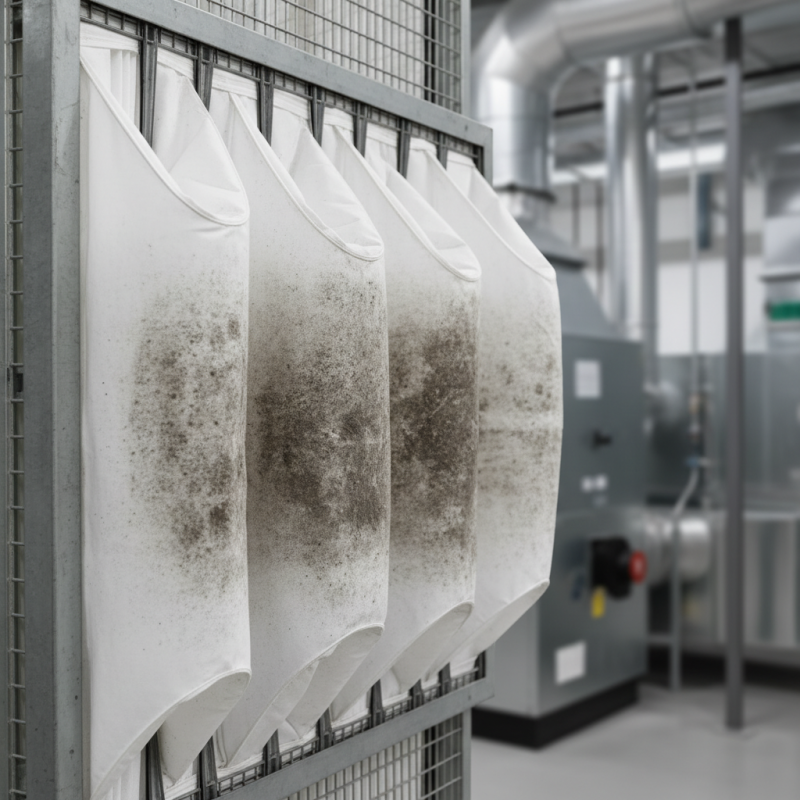
The design of pocket filter media consists of multiple pockets that increase surface area. This feature allows for better particle capture and less frequent replacements. However, there's a trade-off. Over time, the pockets can become clogged, reducing airflow and efficiency. Users may overlook maintenance, leading to less effective filtration.
As we explore pocket filter media, it's vital to recognize both its advantages and limitations. While it provides significant benefits, improper care can lead to challenges. Understanding this balance is key for maximizing efficiency in air filtration systems.
What is Pocket Filter Media?
Pocket filter media is essential for air filtration systems. It traps dust, pollen, and pollutants effectively. The design features pleated filters, creating larger surface areas for capturing particles. This efficiency is crucial for maintaining air quality in various environments.
The materials used in pocket filter media often include synthetic fibers. These fibers enhance filtration and extend the life of the filter. Some filters are washable, offering a more sustainable option. However, users must consider that improper maintenance can lead to reduced performance.
There's a balance between air flow and filtration efficiency. Too dense a filter can restrict air flow, causing pressure issues. Users might overlook replacement schedules, leading to a decline in effectiveness. Simple reminders and regular checks could prevent this. Air quality matters, and pocket filter media plays a key role in achieving it.
The Composition and Types of Pocket Filter Media
Pocket filter media plays a crucial role in air filtration systems. This media is composed of various materials that can effectively capture dust, pollen, and other airborne particles. Common materials for pocket filters include synthetic fibers, non-woven fabrics, and sometimes fiberglass. This diversity in composition allows for enhanced performance across different environments.
When considering types of pocket filter media, several variations exist. Some filters utilize pleated designs to increase surface area, enabling them to hold more particles without sacrificing airflow. Meanwhile, others may employ electrostatic properties for improved efficiency. Each type has its advantages and limitations. The choice of material can affect the filter's lifespan and effectiveness.
Most pocket filters should be regularly inspected. Clogged filters may lead to increased energy consumption. It’s essential to balance performance with maintenance needs. Sometimes, users overlook the importance of the right filter type for specific applications. Understanding these details can significantly impact the overall efficiency of an air filtration system.
Types of Pocket Filter Media and Their Performance
This chart represents various types of pocket filter media along with their filtration efficiency rating (in %) and application suitability. The data visualizes how different media perform in terms of air filtration capability.
How Pocket Filter Media Functions in Air Filtration
Pocket filter media plays a crucial role in air filtration systems. It is designed with multiple folds to increase surface area, allowing better capture of airborne particles. This design improves efficiency in trapping dust, allergens, and other pollutants. The unique structure means air can flow freely while ensuring these harmful components are captured effectively.
As air passes through the pocket filter media, the fabric acts like a sieve. Smaller particles are trapped, while larger particles are blocked by the folds. This function is vital in maintaining clean air quality in various environments. However, selecting the right filter is essential. An inadequate choice may lead to reduced performance and increased maintenance costs. Users often overlook this aspect, leading to potential air quality issues.
Regular maintenance is also crucial. Filters must be inspected frequently to ensure they are not clogged. A clogged filter can hinder airflow, reducing effectiveness. Users may be tempted to ignore warnings until it’s too late. Understanding how pocket filters work can help prevent these pitfalls. Proper use and timely replacement are key to optimal performance.
Applications of Pocket Filter Media in Various Industries
Pocket filter media are essential in various industries for air and liquid filtration. They are designed to capture particulate matter while allowing airflow. This makes them a popular choice in HVAC systems and manufacturing facilities. Their compact design helps conserve space, making them an efficient solution for many applications. However, not all pocket filters perform equally, and some may require frequent replacements due to clogging.
In the automotive and pharmaceutical industries, pocket filter media play a crucial role. They help maintain clean environments by trapping dust and contaminants. In automotive assembly plants, clear air is vital for painting and electronic assembly. A slight increase in pollutants can lead to defects. In pharmaceuticals, the quality of air directly impacts product integrity. Pocket filters must be meticulously monitored and replaced as needed.
Despite their effectiveness, some challenges exist with pocket filter systems. They can sometimes fail to capture the smallest particles. This can result in compromised air quality. Regular maintenance and proper selection of filtration media are key to ensuring their effectiveness. Industry professionals often find that investing time in these areas pays off in the long run.
What is Pocket Filter Media and How Does it Work? - Applications of Pocket Filter Media in Various Industries
| Application Area | Filter Type | Efficiency (%) | Common Uses | Material Type |
| HVAC Systems | Pocket Filter | 85 | Air filtration in buildings | Synthetic fiber |
| Industrial Manufacturing | HEPA Filter | 99.97 | Dust and particulate control | Glass fiber |
| Food Processing | Activated Carbon Filter | 90 | Odor and taste removal | Activated carbon |
| Pharmaceuticals | Pre-filter | 95 | Air and cleanroom filtration | Non-woven fabric |
| Automotive | Cabin Air Filter | 99 | Passenger compartment air quality | Synthetic and activated carbon |
Maintenance and Replacement of Pocket Filter Media
Maintaining pocket filter media is crucial for optimal air quality. Regular checks can prevent issues. Filters should be changed based on pressure drops. A significant drop indicates it’s time for a replacement. Ignoring this can hinder performance and lead to higher energy costs.
Replacement requires specific attention. When changing filters, ensure proper sealing. Improper installation can cause air leaks. This undermines the effectiveness of filtration. It's a common mistake many overlook during maintenance. Keeping a log of replacement dates helps track when filters need changing.
In some cases, visual inspection fails. Dust buildup might not be noticeable at first. Relying solely on pressure gauges can mislead operators. Therefore, a hands-on approach is beneficial. Rotating spare filters might also be handy. This allows for smoother transitions during maintenance. It’s essential to reflect on the maintenance routine. Adjustments might be necessary for better efficiency.
 Skip to content