What Is an Outdoor Sleeping Bag Used For?
An Outdoor Sleeping Bag is more than a padded blanket for camping. It creates a warm, protected space when temperatures fall after sunset. Hikers use it in tents, shelters, camper vans, and sometimes under clear skies. Its main purpose is simple: helping the body preserve heat during sleep.
Backpacking expert Andrew Skurka explains, “Gear should serve the trip, not define it.” This idea matters when choosing an Outdoor Sleeping Bag. A summer bag may feel light and comfortable beside a warm lake. It may become dangerously inadequate on a cold mountain night. A winter model offers stronger insulation, but it can feel bulky during a long ascent. Weight, temperature rating, insulation type, shape, and moisture resistance all affect real performance.
A good bag should match the journey, not just the product description. Check the expected nighttime temperature, wind exposure, humidity, and sleeping surface. A sleeping pad is also important. Without insulation beneath the body, warmth can disappear into the ground. I have seen campers focus on the bag’s filling while ignoring wet socks, damp clothing, or a thin pad. That mistake is easy to repeat. Comfort also varies between people. Some sleepers need extra shoulder room, while others prefer a close, efficient shape. An Outdoor Sleeping Bag cannot solve every cold-weather problem. It is one part of a complete sleep system, and careful preparation still matters.
What Is an Outdoor Sleeping Bag?
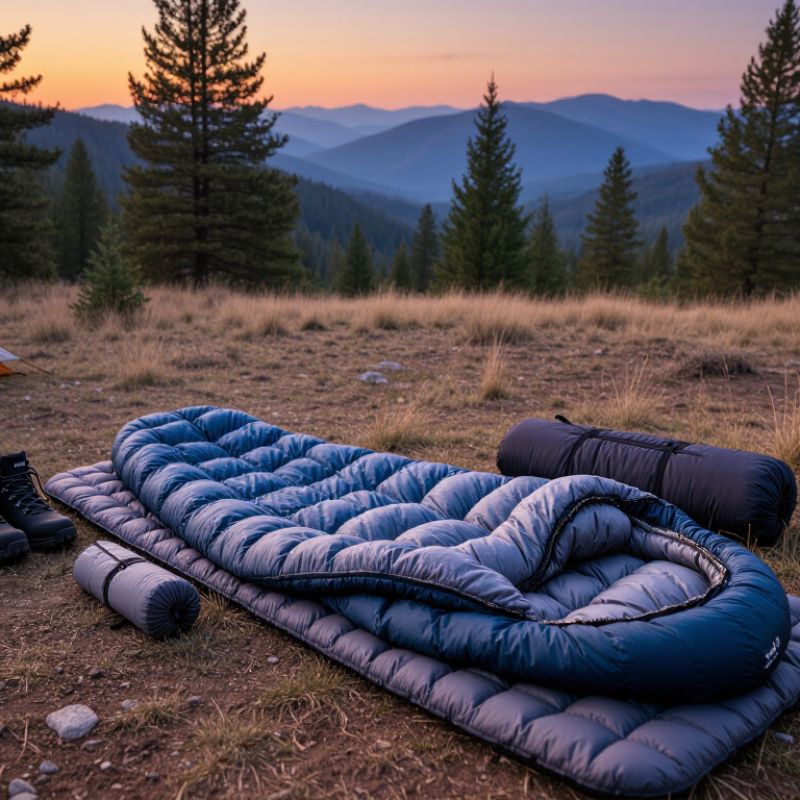
An outdoor sleeping bag is a portable insulated bed designed for sleeping outside. It wraps around the body and reduces heat loss during cool nights. Most models include a durable shell, soft insulation, a zipper, and a fitted hood. Some use synthetic fibers, while others use natural down. Each material behaves differently in moisture and cold.
The bag creates a small warm space around your body. It is useful for camping, hiking trips, emergency shelter, and overnight travel. Inside a tent, it protects against chilly air and damp ground. On a sleeping mat, it works better because the mat reduces heat loss underneath. A dry base layer also helps maintain warmth. Avoid wearing wet clothing inside it.
Temperature ratings need careful reading. They are guides, not promises. Wind, humidity, fatigue, and clothing can change comfort quickly. A bag rated for mild weather may feel inadequate beside a cold mountain lake. In practical use, ventilation matters too. Unzip the bag when warm. Keep the insulation dry. I sometimes see campers focus on the lowest rating and overlook fit, moisture control, or ground insulation. That choice can weaken an otherwise reliable sleep system. The best sleeping bag matches the climate, sleeping style, body shape, and planned shelter.
How Does an Outdoor Sleeping Bag Provide Warmth?
What Is an Outdoor Sleeping Bag Used For?
An outdoor sleeping bag helps maintain body heat during camping, hiking, and emergency overnight stays. Its main warmth comes from insulation that traps pockets of still air around the body. Down and synthetic fibers work differently, but both depend on loft. More loft usually means better insulation.
The outer fabric also matters. A tightly woven shell reduces wind penetration and slows heat loss. Many bags include a hood, draft collar, and insulated zipper flap. These features limit warm air escaping through small openings. The sleeping bag’s shape matters too. A close-fitting design leaves less empty space to heat. However, it should not feel restrictive.
A sleeping bag cannot create warmth by itself. It preserves the heat your body produces. A cold ground can remove that heat quickly, so an insulated sleeping pad is essential. Dry base layers can improve comfort, while wet clothing may make the bag feel much colder. Temperature ratings are useful, but they are not personal guarantees. They depend on metabolism, clothing, wind, humidity, and fatigue.
A common mistake is trusting the rating too much. I once overlooked the sleeping pad and focused only on the bag’s fill. That choice seemed reasonable, but the ground still felt painfully cold. Check the comfort rating, protect the insulation from moisture, and avoid compressing the bag for long periods. Small details matter outdoors.
Where and When Are Outdoor Sleeping Bags Used?
An outdoor sleeping bag is used wherever people need warmth, insulation, and a cleaner barrier from the ground. Its most common settings include campsites, forest trails, mountain shelters, beach camps, and temporary outdoor events. In spring or autumn, it helps retain body heat after sunset, when temperatures can drop quickly. During summer, a lightweight bag may replace heavy bedding inside a tent.
Demand reflects this broad use. The Outdoor Foundation’s 2023 Outdoor Participation Trends Report recorded 168.1 million Americans taking part in outdoor recreation during 2022. The 2024 North American Camping Report also reported that 57.8 million households camped in 2023. These figures suggest sleeping bags support more than extreme expeditions. They serve weekend campers, families, hikers, and occasional travelers.
Location changes the sleeping bag’s job. A dry woodland campsite may need comfort and breathability, while a high-altitude shelter requires stronger insulation and careful moisture control. Never judge warmth by temperature alone. Wind, humidity, clothing, and the sleeping pad all matter. A damp bag can feel cold surprisingly fast. This is where advice gets messy. Many beginners choose an extremely warm model for every season, then sleep poorly in mild weather. A better choice matches the bag’s rating, local climate, sleeping position, and expected trip length. Forecasts can still be wrong, so carrying a thin liner or extra layer remains sensible.
Which Sleeping Bag Features Suit Different Outdoor Conditions?
An outdoor sleeping bag keeps your body warm during camping, trekking, and emergency nights outside. Its insulation traps heated air around you while the shell blocks wind and light moisture. On a damp autumn campsite, this protection can matter more than extra padding. I have learned that warmth depends on the sleeping pad too. Cold ground can drain heat quickly through even a thick bag.
For cold, dry conditions, choose a bag with dense insulation, a fitted hood, and a draft collar. A mummy shape reduces empty space around your body. Down insulation is light and compressible, but moisture can reduce its performance. Synthetic insulation usually dries faster and remains more forgiving near wet ground. Check the comfort rating, not only the lowest advertised temperature. Ratings follow testing standards, yet personal comfort varies with clothing, metabolism, and fatigue. Ratings are estimates. The extreme rating is not a practical target.
Warm-weather camping needs a wider shape, breathable fabric, and a full-length zipper for ventilation. A lightweight liner can improve comfort without adding much bulk. In humid areas, avoid sealing the bag inside a damp tent each morning. Air it out before packing. I once chose a very warm bag for a mild trip, and sleeping became sweaty and restless. That choice was uncomfortable. I would now match the insulation to the forecast, elevation, and expected moisture. A water-resistant shell helps with condensation, but no sleeping bag should replace a dry shelter. Small details matter, including zipper guards, foot space, and a hood that adjusts without pulling.
What Is an Outdoor Sleeping Bag Used For? - Which Sleeping Bag Features Suit Different Outdoor Conditions?
| Outdoor Use | Typical Conditions | Recommended Temperature Range | Suitable Insulation | Useful Features | Main Considerations |
|---|---|---|---|---|---|
| Summer Camping | Warm nights, low humidity, established campsites | About 10°C to 20°C | Lightweight synthetic or low-fill-power down | Full-length zipper, breathable lining, compact packed size | Avoid excessive insulation, which can cause overheating and add unnecessary weight. |
| Three-Season Backpacking | Cool spring and autumn nights, variable weather | About 0°C to 10°C | Moderate-fill-power down or quality synthetic insulation | Draft collar, adjustable hood, insulated zipper, water-resistant shell | Balance warmth, weight, moisture resistance, and packed volume. |
| Cold-Weather Camping | Freezing nights, frost, snow, or strong wind | About -5°C to 0°C | High-loft down or high-density synthetic insulation | Close-fitting hood, draft tube, draft collar, footbox insulation | Use a sleeping pad with an appropriate insulation rating because the ground can cause significant heat loss. |
| Winter and Alpine Trips | Sub-freezing temperatures, snow, wind, and prolonged exposure | Below -5°C | High-loft down or specialized cold-weather synthetic insulation | Contoured hood, insulated draft tubes, water-resistant outer fabric, robust construction | Select a temperature rating suitable for the expected low temperature and allow a safety margin. |
| Humid or Rainy Camping | High humidity, condensation, damp tents, or occasional rain | Depends on the season and location | Synthetic insulation or moisture-resistant treated down | Quick-drying materials, water-resistant shell, compressible storage sack | Synthetic insulation generally retains more insulating ability than untreated down when damp. |
| Ultralight Backpacking | Long-distance hiking where pack weight and space are limited | Matched to the destination and season | High-fill-power down or lightweight synthetic insulation | Mummy shape, lightweight shell, small packed volume, efficient hood design | Prioritize warmth-to-weight ratio without choosing a temperature rating that is too low for the trip. |
| Family or Car Camping | Drive-in campsites, mild conditions, and convenient storage | About 5°C to 20°C | Synthetic insulation | Roomy rectangular shape, durable fabric, easy-care construction, full zipper | A larger shape provides comfort but is usually heavier and less thermally efficient than a mummy bag. |
| Bicycle Touring | Changing weather, limited luggage capacity, repeated packing | About 5°C to 15°C | Lightweight synthetic or down insulation | Small packed size, durable shell, reliable zipper, moderate weather resistance | Choose a compact bag that fits the available pannier or luggage space. |
| Shelterless or Emergency Overnight Use | Unexpected exposure, wind, light precipitation, or temporary shelter | Based on the lowest expected temperature | Synthetic insulation with dependable moisture resistance | Water-resistant shell, hood, draft protection, durable stitching, bright visibility details | A sleeping bag is not a substitute for a suitable shelter, insulation pad, or weather protection. |
Note: Temperature ranges are general guidance. Actual comfort depends on the sleeping bag's tested rating, clothing, sleeping pad insulation, shelter, wind, humidity, and individual tolerance to cold.
How Should an Outdoor Sleeping Bag Be Chosen and Used Safely?
What Is an Outdoor Sleeping Bag Used For?
An outdoor sleeping bag reduces heat loss during camping, trekking, and emergency overnight stays. It creates a warm, insulated space around the body. However, warmth depends on more than the bag. A sleeping pad, dry clothing, wind protection, and the sleeper’s condition also matter.
Choose a bag by its ISO 23537 temperature rating, not by its marketing name. The comfort rating suits relaxed sleepers, while the lower limit suits experienced sleepers who may curl up. These ratings come from controlled laboratory tests, not every forest or mountain.
The Outdoor Industry Association’s 2024 Participation Trends Report recorded 175.8 million American outdoor participants. That scale shows why clear equipment guidance matters. Check the forecast, then select a rating below the expected night temperature.
Cold, wet, tired campers can lose heat faster. A wider bag may improve comfort, but excess space can reduce warmth. I still think many buyers overlook the sleeping pad. That mistake is costly.
Tips: Use a properly insulated pad under the bag. Keep the bag dry in a waterproof sack. Wear a dry base layer, not bulky wet clothes. Leave the face outside. Vent the zipper if sweating starts. Never place a stove inside the shelter or bag; carbon monoxide can build quickly. Inspect the zipper and fabric before leaving. Test the setup at home first. It may feel unnecessary. It is not.
Skip to content