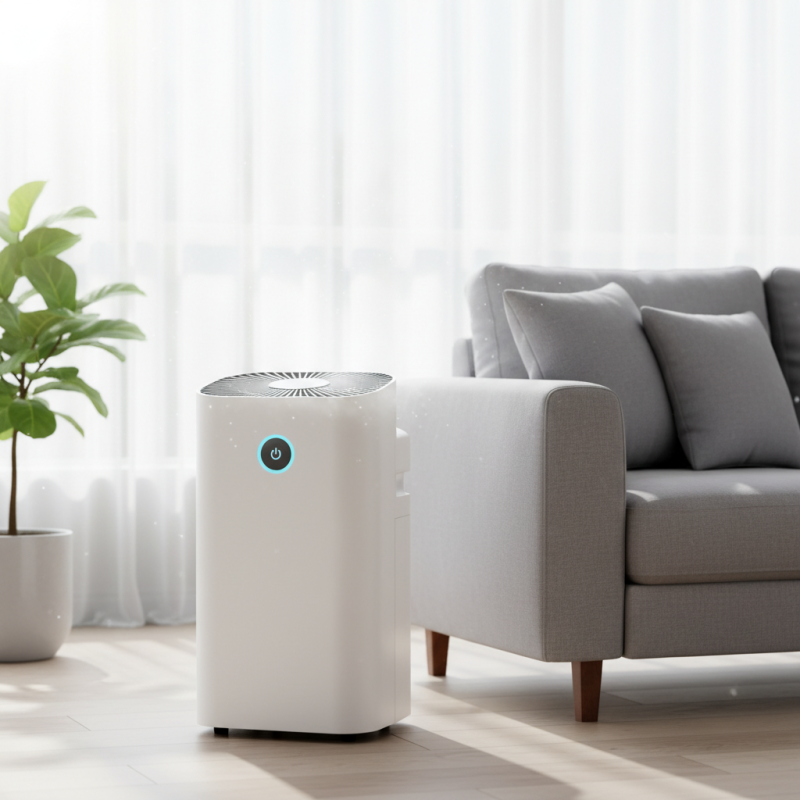
Why Do You Need a Medical Air Purifier for Your Home?
Creating a safe home environment is more important than ever. One effective way to achieve this is by using a medical air purifier. These devices specialize in removing harmful particles from the air. They target allergens, bacteria, and viruses that can impact health.
Imagine breathing in dust, smoke, and pollen daily. These pollutants linger around us. A medical air purifier actively purges these threats, offering cleaner air. Many families report noticeable differences after using one. They experience fewer allergic reactions and improved overall well-being.
However, not all air purifiers provide the same level of protection. Some cheap models may not filter air effectively. It's essential to choose wisely. Investing in a quality medical air purifier can be life-changing. It’s about health, comfort, and peace of mind. Do you prioritize fresh air in your home? Consider the benefits that a medical air purifier can offer.
Understanding the Functionality of Medical Air Purifiers
Medical air purifiers are essential for improving indoor air quality. They focus on removing harmful particles. This includes dust, pollen, and allergens. Many people underestimate the impact of air quality on health. Airborne pollutants can aggravate asthma and allergies. A medical air purifier helps minimize these risks.
These devices utilize advanced filtration technology. HEPA filters capture tiny particles effectively. Some purifiers also include activated carbon filters. These filters eliminate odors and harmful gases. In hospitals, such purifiers are vital. They maintain sterile environments crucial for patient care. However, not all air purifiers are created equal. Users must consider their specific needs before making a choice.
Placement matters too. Positioning a purifier in the right area can enhance its efficiency. It’s often recommended to keep it in bedrooms or living areas. Regular maintenance is necessary to ensure optimal performance. Replacing filters on time can be a challenge. Some users may forget or neglect this important task. It's essential to develop a routine for upkeep.
The Health Benefits of Using Medical Air Purifiers at Home
Indoor air quality significantly impacts health. Studies show that 90% of our time is spent indoors. Poor air quality can lead to respiratory issues, allergies, and fatigue. Medical air purifiers can improve this situation. According to the Environmental Protection Agency, common indoor pollutants can be two to five times higher than outdoor levels.
Using medical air purifiers at home can reduce harmful particles. They filter out allergens, dust, and even viruses. A report from the World Health Organization states that clean air can boost lung function by 30%. This improvement is vital for those with existing conditions, like asthma or COPD. The air we breathe should not be taken for granted.
People often underestimate the value of fresh air. A medical air purifier isn’t just an appliance; it’s an investment in well-being. While they can be costly, the potential health benefits outweigh the price. Clean air can lead to fewer sick days and better overall health. Every breath counts, but we must actively ensure that the air around us supports our health.
Key Features to Look for in a Medical Air Purifier
When choosing a medical air purifier for your home, consider several key features. First, look for a True HEPA filter. This type captures 99.97% of airborne particles, including dust, pollen, and pet dander. Many families deal with allergies, so this feature is essential. It protects loved ones from harmful allergens.
Next, examine the activated carbon filter. This filter helps remove odors and chemical fumes. It can trap smoke and cooking smells, adding freshness to your home. Odors can linger and become overwhelming. An effective activated carbon filter makes a noticeable difference.
Noise level is also worth considering. Some models operate quietly, while others can disrupt your peaceful environment. Sometimes, it's easy to overlook this detail. Therefore, read reviews or test before you buy. Finally, energy efficiency is critical. Look for units that do not consume a lot of power. A balance between performance and energy use matters, especially for everyday living.
Comparing Medical Air Purifiers to Standard Air Filters
When considering air quality in your home, the differences between medical air purifiers and standard air filters are significant. Medical air purifiers are engineered to capture smaller particles and pathogens. Some reports indicate they can remove up to 99.97% of airborne particles down to 0.3 microns. Standard filters, on the other hand, often fall short in trapping these tiny particles. They typically target larger dust and allergens.
Medical air purifiers use advanced HEPA technology, which is critical for those with respiratory issues. They can also neutralize VOCs, smoke, and certain bacteria. A study by the American Journal of Respiratory and Critical Care Medicine emphasizes how cleaner air can significantly improve overall health for asthma and allergy sufferers. Yet, many still invest in standard filters thinking they suffice. However, the long-term benefits of medical-grade purifiers often outweigh their initial cost.
It’s essential to assess your needs. If you have allergies or live in areas with high pollution, a medical air purifier is likely necessary. Some may still hesitate due to costs, lingering doubts about their effectiveness. But understanding what a medical air purifier offers can clarify your decision. The air you breathe affects your health, and sometimes standard options just don’t measure up.
Why Do You Need a Medical Air Purifier for Your Home? - Comparing Medical Air Purifiers to Standard Air Filters
| Feature | Medical Air Purifiers | Standard Air Filters |
| Filter Type | HEPA Filters (99.97% of particles) | Basic Fiberglass or Electrostatic Filters |
| Particle Removal | 0.3 micron and larger | 10 microns and larger |
| Air Quality Monitoring | Yes, with smart features | No monitoring capabilities |
| Odor Removal | Specialized carbon filters for odors | Limited to basic dust and particles |
| Allergen Reduction | Highly effective for allergens | Provides minimal reduction |
| Noise Level | Typically quiet operation | Can be noisy at higher settings |
| Maintenance | Regular filter replacement required | Infrequent replacement needed |
| Certification | Often certified by health standards | Generally not certified |
| Price Range | $150 - $1,200 | $20 - $100 |
Tips for Maintaining Your Medical Air Purifier Effectively
Maintaining a medical air purifier is essential for ensuring optimal performance. According to industry reports, indoor air can often be five times more polluted than outdoor air. Regular maintenance helps mitigate the risks associated with airborne contaminants.
Tip 1: Replace filters as recommended. Many air purifiers have filters that need changes every six months. Neglecting this can reduce their effectiveness by up to 50%. Dirty filters can also cause more strain on the machine, leading to premature failure.
Tip 2: Clean the exterior and surrounding area. Dust accumulates around the unit over time. A quick wipe-down can prevent dust from being pulled into the air purifier. Ensure the area around the unit remains clutter-free to avoid hindrances in airflow.
Remember, even with a high-quality air purifier, it may not work effectively if it’s not maintained well. Some users overlook the importance of following the maintenance guidelines, which can lead to issues. Reflect on your routine and make adjustments as necessary.
 Skip to content