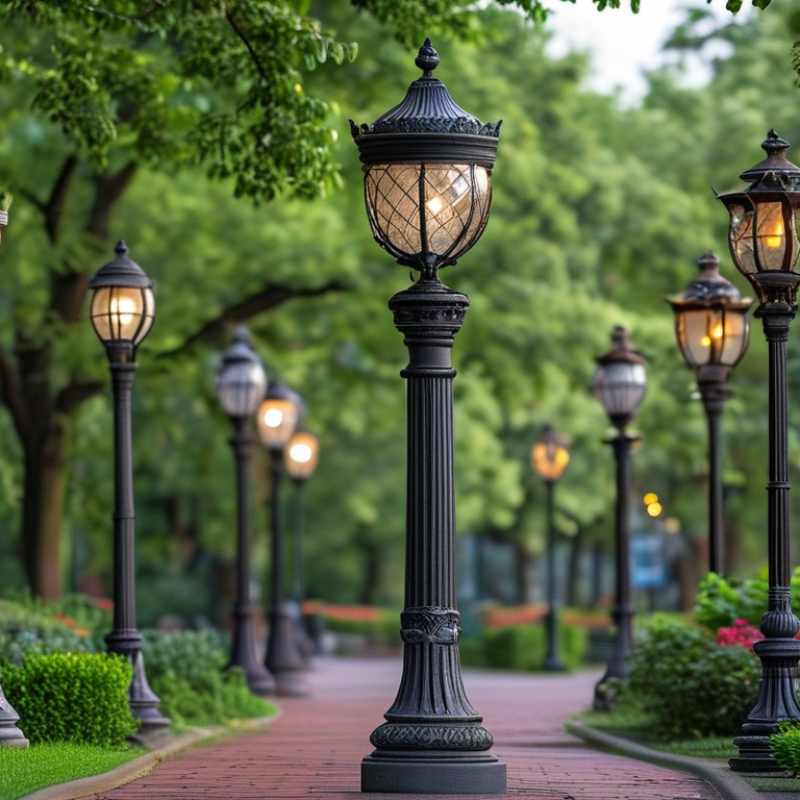
What is a Light Pole and How to Choose the Right One?
In the realm of outdoor lighting, the choice of a Light Pole is crucial. According to lighting expert John Smith, “A well-chosen Light Pole can enhance safety and aesthetics.” This insight emphasizes the critical role that Light Poles play in urban design and functionality.
Selecting the right Light Pole involves various considerations. Factors such as height, design, and material must align with the intended purpose. For instance, a park may benefit from decorative poles, while a street requires robust structures. Many find the wide array of options overwhelming.
Understanding the local environment and usage requirements is essential when choosing a Light Pole. Not every design fits every setting. The balance between form and function can be difficult to achieve. Reflecting on the implications of your choice can lead to better decisions that enhance surrounding spaces.
Understanding the Basics of Light Poles and Their Functions
Light poles play a crucial role in urban infrastructure. Their primary function is to illuminate streets, parking lots, and public spaces. Studies show that well-lit environments reduce crime rates by over 30%. This highlights the importance of choosing the right light pole for safety and security.
When selecting light poles, consider height, material, and light distribution. Standard heights range from 10 to 30 feet. Taller poles provide broader coverage but may require higher maintenance. Materials like aluminum and steel offer durability and resistance to weather. A report from the Illuminating Engineering Society suggests light distribution affects visibility significantly. Proper luminaire placement ensures uniform illumination.
In some cases, cost can override quality. Choosing cheaper options may lead to increased energy consumption and frequent replacements. Reflect on the long-term impacts of these decisions. Balancing budget with performance can be challenging yet necessary. Both aesthetics and functionality are vital in making the right choice.
Types of Light Poles: Materials and Designs Explained
When selecting a light pole, understanding the different types of materials and designs is essential. Common materials include aluminum, steel, and fiberglass. Each offers distinct benefits. Aluminum is lightweight and corrosion-resistant. Steel provides durability and strength. Fiberglass is versatile and low-maintenance.
Designs also vary widely. Traditional poles often have ornate features. Modern poles tend to be sleek and minimal. The choice depends on the setting and purpose. For residential areas, decorative poles may enhance aesthetics. For streets, functional designs improve safety.
Tip: Consider the height of the light pole. It directly impacts the area illuminated. A taller pole covers more ground but may be overkill in smaller spaces.
Reflect on your specific needs and environment. Where will the pole be installed? What’s the local climate? These factors influence your choice. A pole that works well in one setting might struggle in another.
Tip: Don't forget about maintenance. A beautiful design won’t matter if it's difficult to clean or repair. Choose a design that will remain functional over time, ensuring your investment continues to shine.
Factors to Consider When Choosing a Light Pole
Choosing the right light pole can enhance safety and aesthetics. There are several factors to consider before making a choice. The height of the light pole is crucial. Taller poles can illuminate a larger area but may require more power. Short poles are suitable for walkways or residential areas and add a cozy feel.
Material is a key factor. Aluminum and steel provide durability. However, they may have different lifespans based on environmental conditions. Think about where the light pole will be installed. Will it face harsh weather? This could influence your choice of material.
Tips: Think about the design. A well-designed light pole complements its surroundings. Also, consider energy efficiency. LED lights consume less power and have a longer lifespan. Lastly, assess community needs. Heavy traffic areas need different lighting compared to quiet streets. Reflect on these aspects to make a well-informed choice.
Sizing and Height Considerations for Light Poles
Choosing the right light pole requires attention to sizing and height. Consider the area it will illuminate. For streets, taller poles are often necessary. They provide broader light distribution. A 20-foot pole might suit a busy street, while a lower pole can work for residential areas.
When determining the height of a light pole, think about the surrounding environment. Nearby buildings or trees can affect visibility. A pole that is too short may not provide adequate light coverage. Conversely, an excessively tall pole can create harsh lighting and dark areas nearby. Balance is key for effective illumination.
Tips: Assess the mounting height. A good range is usually between 14 to 25 feet for streets. Measure the area and adjust as needed. Do not skip safety standards. Always consult local regulations. Also, consider how the light pole will blend with the landscape. An inappropriate choice can detract from the aesthetic appeal of the area. Reflect on these aspects and choose wisely.
Installation and Maintenance Tips for Light Poles
When choosing and maintaining light poles, proper installation is crucial. Research shows that around 20% of light pole failures are due to improper installation. Ensure the foundation is stable. The soil should be adequately compacted to prevent shifting. Installation depth is vital; typically, poles should be buried at least one-third of their total height. This helps in withstanding environmental forces, such as wind and adverse weather conditions.
Regular maintenance is essential for longevity. Inspections should occur every six months. Look for signs of rust or corrosion, especially at the base. A report from the International Association of Lighting Designers indicates that consistent upkeep can extend the lifespan of light poles by up to 30%. If bulbs are flickering or not illuminating properly, consider checking the wiring. Timely repairs can prevent larger issues and ensure safety.
Weather can also affect light pole functionality. In areas prone to severe storms, reinforce poles with guy wires. These measures may seem excessive but can prevent costly replacements. Don’t overlook the importance of photometric analysis. Knowing how light spreads is key in enhancing visibility and safety. Properly installed and maintained light poles contribute to a safe environment for pedestrians and drivers alike.
Light Pole Types and Their Popularity
This chart illustrates the popularity of different types of light poles based on percentage. It helps in understanding the most favored materials used in light pole construction.
 Skip to content