What Is an Intelligent WC Toilet and How Does It Work?
An Intelligent Wc Toilet is more than a conventional toilet with a few electronic features. It combines water, sensors, and controls to support functions such as bidet washing, heated seating, automatic flushing, and air drying. The exact features vary by model. Some toilets detect when someone approaches; others rely on buttons or a remote.
The market is expanding, though estimates differ by research firm and product definition. Fortune Business Insights estimated the global smart toilet market at USD 9.06 billion in 2023 and projected growth to USD 15.19 billion by 2032. That forecast signals commercial interest, not proof that every household needs one. In everyday use, the difference can be tangible: a warm seat on a winter morning, a measured spray, or a lid that opens without touch. But setup matters. A nearby power outlet, water pressure, cleaning access, and user comfort all affect the experience.
How does the system work? Sensors and electronic controls coordinate the toilet’s features. A user selects settings through a side panel, remote, or app. Water passes through a cleaning nozzle, while temperature and pressure controls adjust the wash. Some models add deodorizing filters or automatic flushing. More technology also means more parts to maintain.
A named industry expert’s exact quotation cannot be verified from the materials supplied, so none is attributed here. That restraint matters: product claims and market forecasts should be checked against their original sources. An Intelligent Wc Toilet can make personal hygiene more convenient, but its real value depends on reliable performance, simple controls, and a design people can comfortably use.
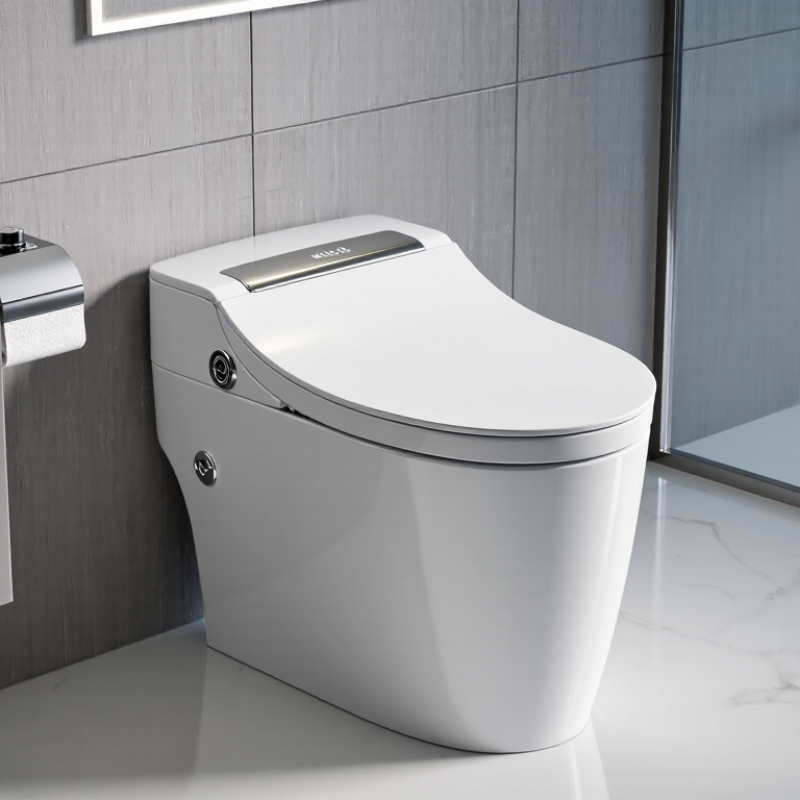
What Defines an Intelligent WC Toilet?
An intelligent WC toilet combines a conventional toilet with electronic controls and personal-cleaning features. Its defining quality is not a screen or sleek shape, but the way sensors, water, and user settings work together. A seat sensor may detect when someone sits down, while a control panel adjusts wash position, water pressure, and temperature. Many models also offer a heated seat, warm-air drying, automatic flushing, or odor control. Features vary, so the term does not describe one fixed design.
The wash function usually sends a narrow stream of water from a retractable nozzle. Users can often change its position and pressure before or during use. Some toilets include a self-rinsing nozzle, though this does not remove the need for regular cleaning. A small control on the side or a handheld remote makes the settings accessible. The buttons can feel confusing at first.
Sensors can trigger functions automatically, but they do not make every action hands-free. A user may still need to lower the lid, choose a wash setting, or clean the bowl. Electrical components also mean the toilet needs a suitable power connection and careful installation. Check how the seat, nozzle, and filter are maintained. A feature that sounds convenient may be less useful if its controls are hard to reach or its settings reset unexpectedly. That matters in daily use.
How Sensors Detect Users and Trigger Responses
An intelligent WC toilet uses sensors to recognize nearby movement, seat use, and changes in the room. An infrared sensor may detect someone approaching, while a seat sensor confirms occupancy. Some models also use radar or proximity sensors, but the exact setup varies. These signals are measurements interpreted by a control unit, not an understanding of who is using the toilet.
When someone approaches, the system may raise the lid or switch on a low guide light. After sitting, occupancy detection can enable seat heating or prepare cleansing controls. When the user leaves, a separate presence check may trigger an automatic flush. Small signals matter. A delayed response can occur if movement remains within the sensor’s detection area.
Sensor placement shapes performance. Dust, water droplets, reflective surfaces, or a closed door can affect readings, depending on the sensor type. A foot gesture or hand wave may work only within a certain range, so the user instructions are worth checking. The response can feel seamless, yet it depends on calibration and clean sensing areas. Not perfectly. Automatic actions are conveniences, and the system may not detect every user or movement correctly.
How a Typical Toilet Cycle Works
What Is an Intelligent WC Toilet and How Does It Work?
How a Typical Toilet Cycle Works
An intelligent WC toilet coordinates sensing, washing, and flushing through built-in controls. When a person approaches, a sensor may raise the lid or switch on a soft night light. After use, the seat sensor helps the unit determine when the user has stood up. Features vary, so not every toilet performs each step automatically.
During washing, a small nozzle extends and sprays temperature-controlled water. The user can usually adjust pressure and position with a control panel. Then comes the rinse. The nozzle retracts and cleans itself, while an optional warm-air dryer may run. Once the user leaves, the toilet may flush automatically; otherwise, a button or lever starts the flush. Water moves waste through the trapway, then refills the bowl and tank. A faint refill sound is normal, but persistent running may indicate a problem.
Tips: Keep the nozzle area clean, and use the control panel’s stop function if a cycle feels uncomfortable. Check the manual before adjusting settings; sensor timing can be imperfect, and automatic flushing may not suit every household.
What Is an Intelligent WC Toilet and How Does It Work?
A Typical Toilet Flush Cycle
After a flush, water moves through the bowl to clear waste, while fresh water refills the bowl and cistern. Bowl and cistern refilling often happen at the same time. These are approximate durations; actual timing varies with toilet design, water pressure, and settings. Intelligent toilets may automate flushing and add functions such as bidet washing or seat heating.
Common Features, Care, and Safety Considerations
An intelligent WC toilet combines a conventional bowl with electronic functions such as a heated seat, adjustable washing nozzle, warm-air drying, and automatic flushing. Controls may sit on a side panel or remote. Sensors can open the lid or flush, but they may misread movement; manual controls are useful.
Care is practical, not complicated. Clean the seat and nozzle with a soft cloth and products approved in the user manual. Avoid abrasive pads, which can scratch surfaces. Keep plugs and electrical connections dry, and have installation checked by a qualified professional. For water context, the U.S. Environmental Protection Agency’s WaterSense program reports that replacing older toilets with WaterSense-labeled models can save an average family nearly 13,000 gallons annually. That figure concerns toilet replacement, not every intelligent model; check the specific product’s flush rating.
Tips: Wipe the nozzle area regularly, test manual controls, and keep the floor around the power connection dry. If a control feels confusing, pause and read the instructions. Convenience still needs a little attention.
 Skip to content
