How to Choose the Best Restaurant Cooler in 2026?

Choosing the best Restaurant Cooler in 2026 is about more than finding a unit that fits beneath a counter. It means protecting ingredients, supporting a busy kitchen, and choosing equipment your team can use every day. Small decisions matter. A door that swings into a narrow aisle can slow service, while shelves that do not fit your containers can waste useful space.

Start by measuring the available area, including door clearance and ventilation space. Then estimate what you need to store during a normal shift, not just on your quietest day. A crowded cooler can make stock harder to reach and may affect airflow. Too much unused capacity can take up valuable floor space. There is no perfect number for every restaurant.

Compare temperature performance, storage layout, energy use, noise, and cleaning access. Ask suppliers for clear specifications, warranty terms, and information about service support in your area. Check that the cooler suits your ingredients and operating routine, and follow the manufacturer’s guidance and applicable food-safety recommendations. A polished product page is not enough. Details can be easy to miss.

Think about the people who will open, load, and clean the unit. Can staff see labels quickly? Are shelves easy to remove? Will the door stay convenient during a rush? These practical questions deserve attention alongside price. Still, a checklist cannot predict every kitchen’s needs. The best choice balances reliable cooling with the real limits of your space, budget, and daily workflow. It may not be the most impressive model; it should be the one your team can depend on.
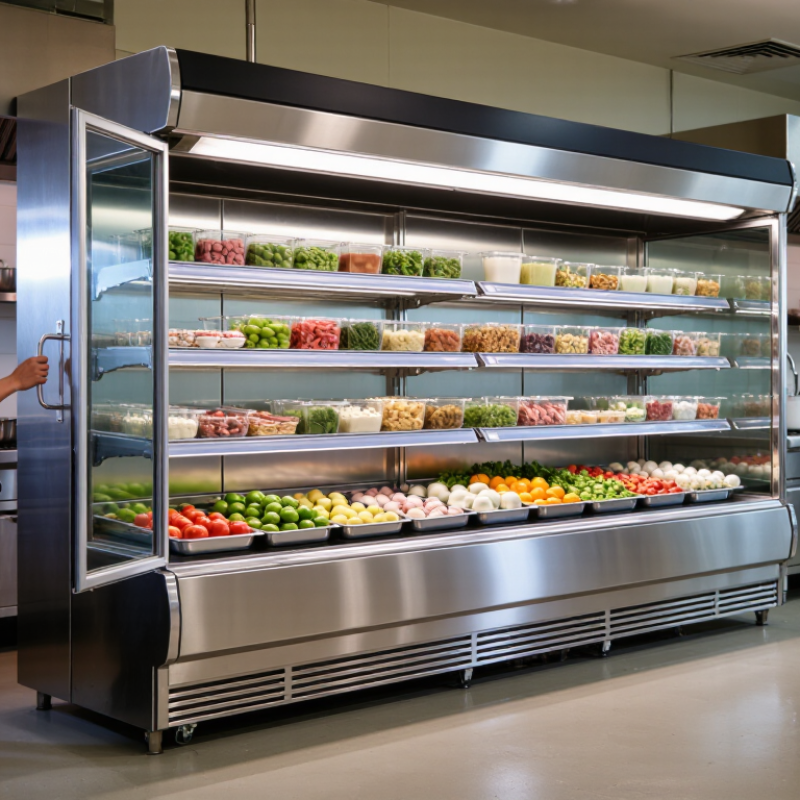
How to Choose the Best Restaurant Cooler in 2026?

Define Your Restaurant’s Cooling Needs and Operating Priorities

Before comparing restaurant coolers, map what your kitchen actually needs to keep cold. List ingredients, prepared foods, drinks, and the busiest service periods. Separate daily stock from backup supplies; they may need different storage space and access. Start with the menu. A café with milk and pastry trays has different priorities from a grill storing bulk produce and meat.

Watch how staff move during a rush. Count how often cooler doors open, and note whether cooks need quick access or larger shelves. Frequent opening can make temperature recovery important, while a hot kitchen may place extra strain on equipment. Check the available floor space, doorway width, and ventilation clearance before choosing a size. Measure the corner twice. A rough inventory helps, but it can miss seasonal demand.

Set priorities in practical terms: reliable cooling, usable capacity, easy cleaning, and manageable operating costs. Consider whether shelves fit your containers and whether staff can reach items without moving other stock. A cooler that looks spacious on paper may feel cramped once food pans arrive. Think about service access, too; a unit that is difficult to maintain can disrupt a busy kitchen. Don’t overbuy just to feel prepared. Compare your busiest week with typical use, then leave realistic room for growth.

Compare Cooler Types for Different Kitchen Environments

A restaurant cooler should fit the way your kitchen actually works, not just its floor plan. In a narrow line, an undercounter cooler keeps ingredients close without blocking the aisle. Its smaller capacity can become a problem during a busy dinner rush, though. Space matters. Measure door swings and clearance around nearby equipment before choosing.

Reach-in coolers suit kitchens that need several shelves of ingredients within easy reach. Solid doors generally limit light and help staff avoid browsing with the door open. Glass doors make contents easier to spot, but frequent opening still lets warm air in. In a hot kitchen, check the unit’s stated operating range and leave room for airflow around its condenser. A cooler squeezed beside an oven may struggle to recover after repeated openings.

Walk-in coolers work well for restaurants storing bulk produce, dairy, or prepared items. They need enough installation space and thoughtful shelving, or staff may waste time searching.

Prep-table coolers combine chilled storage with a work surface, making them useful on sandwich and salad stations. They are not ideal for every menu; crowded pans can slow service.

Compare usable capacity, door access, cleaning needs, and temperature performance under real kitchen conditions. Verify temperatures with a separate thermometer and follow local food-safety requirements.

Calculate Storage Capacity and Plan Kitchen Layout

A restaurant cooler should fit the way your kitchen works, not just the space available. Begin by listing the ingredients and prepared foods you keep on hand during a typical busy shift. Estimate the number of containers, their dimensions, and how often each item is replenished. Then allow extra room for deliveries and seasonal changes. A cooler packed to the ceiling may look efficient, but it can make stock harder to see and rotate.

Tips: Measure the doorway, not just the cooler space. Check door swing, aisle width, and required ventilation clearance. Sketch the route from receiving to storage to prep.

To estimate capacity, calculate the volume of your containers and add a practical buffer, often around 20 to 30 percent. For example, regular produce bins, sauce tubs, and several trays of proteins need different shelf heights. Compare usable interior space, since shelves and refrigeration components reduce the room listed in product specifications. Keep frequently used ingredients near the prep station, while placing bulk stock where staff can reach it without blocking traffic. Even a careful estimate can miss a detail. Recheck the plan with the people who work the line, then test door access and loading paths before ordering.

Evaluate Temperature Control, Energy Use, and Food Safety Features

A restaurant cooler should hold a steady temperature through busy service, not just look accurate on its display. Choose a model with a clear digital controller, an audible high-temperature alarm, and enough capacity to avoid tightly packed shelves. A display alone is not proof. Check readings with a calibrated probe thermometer, and keep a simple temperature log. After loading, check again. Make sure cold air can move around pans, and inspect door gaskets for gaps that let warm air in. Set holding limits according to local food-safety requirements and the foods you serve.

Energy use depends on more than the cooler’s rating. Compare estimated daily consumption across units of similar size, then consider your kitchen’s heat, door-opening frequency, and delivery routine. A more efficient unit may cost more upfront, but frequent door traffic can erase some savings. Small details matter. Look for self-closing doors, good insulation, and easy-to-clean interior surfaces. One judgment call remains: a larger cooler offers useful room, but unused space still consumes energy. Measure the actual footprint and think through your busiest shift before choosing.

How to Choose the Best Restaurant Cooler in 2026? - Evaluate Temperature Control, Energy Use, and Food Safety Features

Cooler Type Temperature Control Energy Use Considerations Food Safety Features to Look For Best Fit What to Check Before Buying
Reach-In Refrigerator Usually has an adjustable thermostat or digital controller. Choose a model that can maintain the required food temperature during normal kitchen use. Compare the manufacturer’s tested energy-use figures for models with similar capacity and configuration. Solid doors generally reduce exposure to warm air compared with frequently opened glass doors. Look for a clear temperature display, audible or visual high-temperature alarms, and shelves that can be cleaned easily. Everyday ingredient and prepared-food storage in kitchens with limited space. Check usable capacity, door swing, shelf adjustability, gasket condition, and whether the unit can maintain temperature in the expected room conditions.
Glass-Door Merchandiser Temperature range and control vary by model. Confirm that the unit is designed for the food being stored; beverage merchandisers may not be suitable for all food-storage needs. Lighting, door openings, glass-door design, and ambient temperature affect energy use. Compare energy figures only between units with similar size and intended use. Use only where the equipment is rated for the intended food. Verify product temperature with a suitable thermometer rather than relying solely on the display. Packaged drinks or approved packaged foods that need customer-facing display. Confirm the listed application, operating-temperature range, lighting controls, door-closing performance, and applicable local requirements.
Refrigerated Prep Table Separate controls may manage the refrigerated base and ingredient pans. Verify that both areas hold suitable temperatures during service. Frequent lid or rail access and uncovered pans can increase cooling demand. Efficient work habits and properly fitted covers help limit warm-air exposure. Look for accessible temperature monitoring, removable food-contact components, and a design that allows thorough cleaning around pans and seals. Sandwich, salad, and pizza stations where ingredients are accessed repeatedly during preparation. Check pan configuration, usable refrigerated storage, cleaning access, airflow around the unit, and temperature performance with the pans loaded as intended.
Walk-In Cooler A dedicated controller should regulate the room temperature. Use a separate, suitable thermometer to verify conditions at representative locations. Insulation, door seals, traffic, room size, and the temperature of incoming products all influence energy use. Properly sized equipment and well-maintained seals help reduce unnecessary load. Consider a temperature alarm, an easily readable thermometer, an interior door-release mechanism, and surfaces that can be cleaned and maintained. High-volume operations that need substantial bulk or pallet storage. Assess required capacity, shelving or rack layout, door access, floor and wall condition, drainage, and the installer’s sizing calculations.
Undercounter Refrigerator Typically uses a built-in thermostat or digital control. Check temperature recovery after repeated opening, especially in busy service areas. Its smaller size does not guarantee lower total energy use; compare tested consumption and consider ventilation clearance and ambient kitchen temperature. A visible temperature display and cleanable door seals support routine checks. Store food in covered, labeled containers with space for air circulation. Small kitchens, bars, or stations that need ingredients close to the work area. Measure the installation space, allow the manufacturer’s specified ventilation clearance, and confirm door or drawer access suits the workflow.

Food-safety benchmark: The U.S. FDA Food Code uses 41°F (5°C) or below for cold holding of time/temperature control for safety food. Requirements can vary by jurisdiction, so confirm local rules. Check food temperature with a suitable thermometer; an equipment display measures the unit’s sensor location and may not reflect every product’s temperature. For energy comparisons, use published figures tested on the same basis and compare models of similar size and configuration.

Compare Ownership Costs and Select the Best-Fit Cooler

A restaurant cooler’s purchase price is only one part of its ownership cost. Estimate electricity use from the unit’s rated consumption and your local power rate. Then add delivery, installation, filter or gasket replacements, and likely service visits. A small daily energy difference can matter over several years. Still, estimates are imperfect: door openings, room temperature, and cleaning habits change real-world use.

Tips: Measure twice. Check the doorway, aisle, and final placement before ordering. Compare the warranty terms and ask how quickly service is available. Keep ventilation clear; a cramped cooler may work harder and use more power.

Choose capacity around your busiest service period, not an unusually quiet day. A unit that is too small can force frequent restocking, while excess space may waste energy and floor area. Review shelf spacing, temperature controls, and cleaning access against the food containers you actually use. For a fair comparison, calculate estimated annual energy cost, then add routine maintenance and divide by the expected years of service. That figure is not a guarantee, but it makes different sizes easier to compare. A slightly higher upfront cost may fit better if it reduces operating effort and meets your storage needs.