How to Choose the Best Cotton Bed Cover in 2026
A Cotton Bed Cover can refresh a bedroom without replacing the mattress or duvet. It adds a visible layer, softens the look of plain bedding, and can offer light coverage in warmer weather. But “best” depends on how you sleep, wash, and use your bed. A crisp percale cover feels different from a brushed cotton one. Small details matter. Fiber content, weave, stitching, and weight can affect comfort and care.
In 2026, start with the product label rather than the styling photographs. Check whether the cover is made from cotton alone or a blend, and read the washing instructions before buying. Long-staple cotton may be described as smooth and durable, but the weave and construction matter too. Look for even seams, secure hems, and clear sizing; a cover that barely reaches the mattress edges may not suit your room. If you have sensitive skin, consider a simple fabric finish and review any available testing or certification details. Claims are not all equally specific.
Think about your routine. A pale cover may brighten a small room, but it can show marks sooner. A heavier layer may drape beautifully, yet feel too warm for some sleepers. There is no perfect fabric for everyone. This guide will compare useful features, explain common trade-offs, and help you choose a cover that fits your bed, budget, and care habits—not just a product photo.
What a Cotton Bed Cover Is and How It Differs from Other Bedding
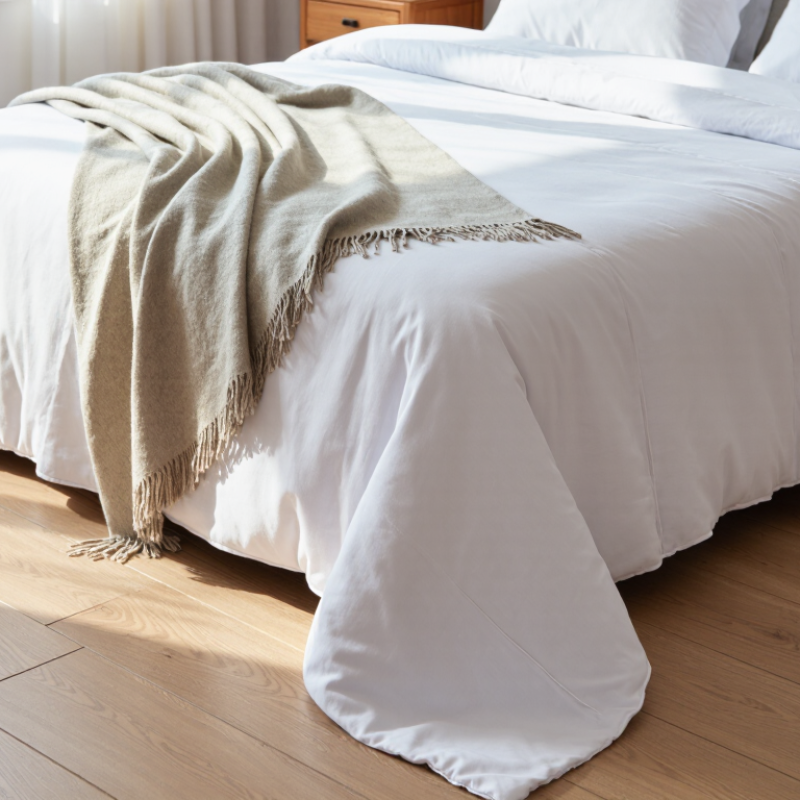
A cotton bed cover is a fabric layer placed over a bed, often above the sheets. It may protect the bedding, add warmth, or make the bed look finished. “Bed cover” is not a strict construction term, so the name can describe different weights and weaves. Check the product’s dimensions and fabric details rather than relying on its label alone. A tightly woven cotton cover may feel crisp, while a brushed or quilted one feels softer and heavier. Small details matter.
It differs from a fitted sheet, which hugs the mattress, and a flat sheet, which sits directly over the sleeper. A duvet cover encases a separate insert; a cotton bed cover may be used on its own. Some covers resemble lightweight quilts, but not every bed cover has padding. Cotton is breathable and generally comfortable against the skin, though its feel depends on yarn, weave, and finishing. It can wrinkle after washing. I find that a slightly rumpled cover sometimes looks lived-in, but it may not suit every room. Follow care instructions, since shrinkage and fading can vary with fabric treatment and washing temperature.
How to Choose the Best Cotton Bed Cover in 2026
What a Cotton Bed Cover Is and How It Differs from Other Bedding
A cotton bed cover is made from cotton fibers woven or knitted into fabric. This chart compares conventional moisture regain—the approximate amount of moisture a dry fiber can absorb from the air, expressed as a percentage of its dry weight. Cotton’s value sits between linen and synthetic fibers; this fiber-level measure is useful context, but does not alone determine a finished bed cover’s comfort or quality.
Which Cotton Types and Weaves Suit Your Comfort Preferences
Choosing a cotton bed cover starts with the feel you want against your skin. Percale uses a plain, tight weave that feels crisp and airy; sateen’s longer floats feel smoother and drape more heavily. If you sleep warm, percale may feel less clingy. For a softer, slightly lustrous surface, sateen can suit you better. Feel a sample if possible. The difference is noticeable.
Fiber length matters, too. Long-staple cotton can produce smoother, stronger yarns, while shorter fibers may feel less even. Look for clear fiber and weave details, not thread count alone. The U.S. Cotton Trust Protocol’s cotton-production data and Textile Exchange’s Materials Market Report 2024 offer useful industry context: the latter estimates cotton made up about 20% of global fiber production in 2023. That figure describes the fiber market, not bedding quality. I’d be cautious about treating any single label as proof of comfort; stitching, fabric weight, and finishing also affect how a cover feels and wears. My own first instinct would be to choose the softest sample, but softness alone can be misleading. Comfort is personal.
How to Check Bed Cover Size, Fit, and Construction
How to Choose the Best Cotton Bed Cover in 2026
A good fit starts with a tape measure, not a guess. Measure the mattress width and length, then check its depth, including any topper. Compare those numbers with the cover’s finished dimensions; “queen” or “king” labels can vary between sellers. Allow extra drop if you want fabric to hang over the sides. Too little, and the corners may pull loose overnight.
Construction matters just as much as size. Check whether the fabric is woven cotton or a cotton blend, and read the care label for washing guidance. A tightly finished hem and even stitching can help a cover withstand regular laundering. Feel the fabric if possible, but don’t treat softness as proof of durability. Some cotton softens after washing; some may shrink if washed or dried too hot. I’m tempted to focus on thread count, too, but it doesn’t tell the whole story.
Tips: Measure twice. If your mattress has a thick topper, include it. Check pocket depth for fitted styles, and look for secure seams at the corners. Follow the care instructions before the first wash. One small uncertainty: sizing charts aren’t always perfectly clear, so contact the seller when measurements seem inconsistent.
How to Choose a Cotton Bed Cover for Your Budget and Lifestyle
A cotton bed cover should fit both your spending limit and the way you use your room. For a lower price, look for a clearly stated cotton content, secure seams, and care instructions you can follow. A simple percale weave often feels crisp, while sateen tends to feel smoother. Neither is automatically better. Check the fabric in person if possible; online photographs can hide a thin, stiff texture. Read the return terms, too. A bargain loses appeal if the cover shrinks noticeably after washing.
Think about daily life. With pets or children, a washable cover in a mid-tone color may disguise small marks between laundry days. For warm bedrooms, choose a lighter, less padded style; a quilted cover adds weight and warmth. Measure your mattress, including its depth, before ordering. Measure twice. Cotton can shrink, so follow the care label and avoid assuming every cover tolerates hot drying. If you have sensitive skin, a soft hand-feel matters, but “cotton” alone does not guarantee comfort. I’d rather choose a modest cover that washes easily than an ornate one I’m afraid to use. That preference may change after a season of real use.
 Skip to content
