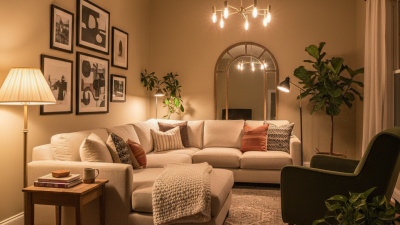
What Is Home LED Lighting and How Does It Work?

Home Led Lighting is no longer a niche upgrade reserved for modern apartments. It now shapes how kitchens, bedrooms, and workspaces look and function. The International Energy Agency reports that lighting uses about 15% of global electricity, making efficiency a meaningful household concern. ENERGY STAR also states that certified LED bulbs use up to 90% less energy and last up to 15 times longer than traditional incandescent bulbs.

The principle is surprisingly simple. An LED is a semiconductor device. When electrical current passes through its junction, electrons release energy as photons, producing visible light. A small driver converts household alternating current into a controlled supply. Many bulbs add a phosphor coating, which changes blue LED energy into warmer white light. Heat sinks, lenses, and circuit components then manage temperature, brightness, and beam direction.

That tiny chip does serious work.

In real homes, performance depends on more than wattage. Lumens indicate brightness, while color temperature affects atmosphere. A 2700K lamp can make a bedroom feel warm. A 4000K lamp may suit a home office better. Color rendering index, dimmer compatibility, and flicker performance also deserve attention. The U.S. Department of Energy’s solid-state lighting research highlights efficiency, thermal management, and optical control as continuing priorities.

Still, the “lasts forever” message needs caution. Poor ventilation, incompatible dimmers, and low-quality drivers can shorten an LED’s life. Some products may flicker subtly, even when the box looks impressive. This is where careful labeling and trusted certification matter. Understanding how Home Led Lighting works helps homeowners compare claims, avoid wasted energy, and choose light that feels comfortable—not merely bright.
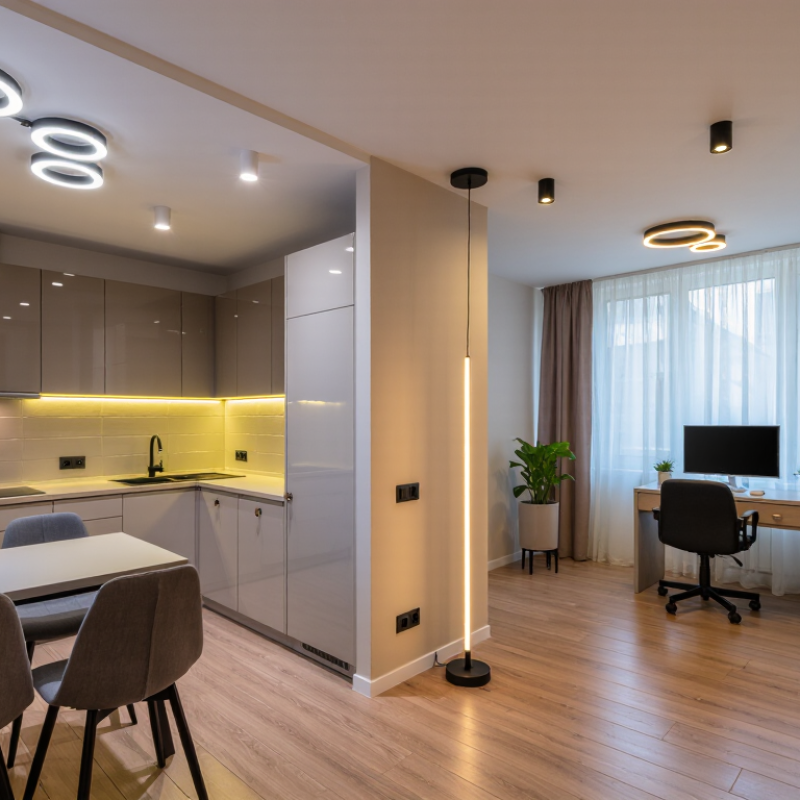
What Is Home LED Lighting and How Does It Work?

Definition and Core Components of Home LED Lighting

Home LED lighting uses light-emitting diodes to convert electrical energy into visible light. Unlike older incandescent bulbs, LEDs produce light without heating a filament. They are commonly fitted into bulbs, ceiling fixtures, strips, and task lamps. The light’s color and brightness depend on the diode design and control electronics. Small components, carefully matched.

A typical home LED system has several core parts. The LED chip creates the light, while a driver regulates current and helps prevent flickering.

A heat sink or other thermal path carries warmth away from the chip. A lens or diffuser shapes the beam and softens harsh points of light.

Some fixtures also include dimmers, sensors, or color controls. Compatibility matters: an unsuitable dimmer can cause buzzing, uneven brightness, or flicker.

One detail is easy to miss: enclosed fixtures may trap heat and shorten LED life.

Tips: Check the fixture’s label for dimmer compatibility and suitable operating conditions. Compare color temperature before buying; warm white can feel softer in a bedroom, while cooler light may suit detailed work. Test the light in the actual room. Paint and daylight can change how it appears.

How Electrical Energy Becomes Light in an LED

Inside a home LED bulb, electrical energy reaches a semiconductor junction through a compact electronic driver. The driver changes household alternating current into controlled direct current. At the junction, electrons meet spaces called holes. When they recombine, they release energy as photons, the particles of light. The semiconductor’s properties influence the photons’ wavelength and therefore the light’s color. That tiny junction matters. The process is efficient, but not perfect.

Many white LEDs create blue light inside the semiconductor. A phosphor coating absorbs some blue photons and emits light across other wavelengths, making the output appear white. The coating’s composition affects whether the light looks warm, like a bedside lamp, or cool, like a bright workshop. Electrical energy also becomes heat, especially around the LED chip and driver. A heat-spreading base helps move that warmth away. Not all of it. A bulb that feels cool can still contain warm components inside. This is one detail that is easy to overlook when judging how efficiently a lamp works.

The Main Types of LED Lights Used at Home

Home LED lighting uses semiconductor diodes to produce light when electrical current passes through them. Unlike older incandescent bulbs, LEDs waste less energy as heat and often last longer. Their light can look warm, neutral, or cool, depending on the color temperature. Check the package: a warm 2700K bulb usually feels softer in a bedroom, while a cooler option may suit a work area. Brightness is measured in lumens, not watts.

The main types for homes include replaceable LED bulbs, integrated fixtures, recessed downlights, and LED strips. Bulbs fit many existing sockets, making them an easy swap. Integrated fixtures have built-in LEDs and can create a slim profile, but replacing the light source may be less straightforward. Recessed lights work well in kitchens and hallways when positioned carefully. Strips add gentle light beneath cabinets or along shelves. They can also reveal uneven surfaces, which is easy to overlook.

Tips: Match bulb shape and base to the fitting, and check whether a dimmer supports LED loads. For a kitchen counter, place light toward the front edge to reduce shadows from your body. Avoid mixing very different color temperatures in one small room. Perfectly uniform light is not always comfortable; test one area before changing every fixture.

Factors That Affect LED Performance and Efficiency

Home LED lighting converts electrical energy into light through a semiconductor, but performance depends on more than the LED itself. Heat is a major factor. A bulb inside a sealed, warm fixture can run hotter, shortening its useful life and reducing light output. Airflow matters. So does the driver, which regulates current and helps limit flicker. Even careful comparisons can mislead: fixture shape and everyday use are easy to overlook.

Efficiency also varies with brightness settings, color temperature, and optical design. A cool-white lamp may look brighter than a warm-white one with the same lumen rating, but lumens provide a fairer measure of light output. Some dimmers can cause buzzing or flicker when they are not compatible with LED loads. Room surfaces affect comfort, too; pale walls reflect more light than dark paint. Small details add up.

Tips: Check the fixture’s temperature and dimmer compatibility before buying. Compare lumens, not just watts. If a lamp feels too harsh, try a warmer color temperature or a different shade. It is not always the LED’s fault.

What Is Home LED Lighting and How Does It Work?

Factors That Affect LED Performance and Efficiency

LEDs produce light when electrical current passes through a semiconductor. For a similar light output of about 800 lumens, a typical LED lamp uses around 9 watts, compared with about 14 watts for a CFL and 60 watts for an incandescent lamp. Actual consumption varies by product. LED performance is also affected by operating temperature, driver quality, dimmer compatibility, and optical design; good heat management helps maintain light output and lifespan.

Safe Installation, Maintenance, and Everyday Applications

What Is Home LED Lighting and How Does It Work?

Home LED lighting uses semiconductor diodes to convert electricity into visible light. A small driver regulates current and protects the diode from electrical changes. Compared with older bulbs, LEDs usually produce less heat and consume less energy. However, “cool to touch” does not mean every part is risk-free.

Safe installation starts at the electrical panel. Switch off the correct breaker, then test the wires with a reliable voltage tester. Never depend only on a wall switch. Replace damaged sockets, loose wires, or cracked insulation before fitting a new lamp. In damp rooms, choose fixtures rated for moisture and follow local electrical codes. Complex wiring deserves a licensed electrician. One careless connection can create a hidden hazard.

Keep vents clear of dust, especially around recessed fixtures. Wipe accessible surfaces with a dry or slightly damp cloth after turning off power. Do not spray cleaner into the housing. Flickering, buzzing, delayed startup, or unusual heat may signal a failing driver or incompatible dimmer. That detail is easy to overlook. LEDs work well in kitchens, reading corners, hallways, bedrooms, and outdoor entrances. Warm light can make a living room feel calmer, while brighter neutral light helps with food preparation. I would not treat every LED as automatically perfect; poor installation, trapped heat, or unsuitable controls can shorten its life.