Hexagonal Wire Mesh Tips for Effective Use and Application?
hexagonal wire mesh is a versatile material widely used in various industries. According to a report by MarketsandMarkets, the global market for wire mesh is projected to reach $7.5 billion by 2025. This growth underscores the increasing demand for hexagonal wire mesh in construction, agriculture, and environmental protection.
The unique properties of hexagonal wire mesh make it suitable for a range of applications. For instance, it is often used for fencing, erosion control, and even as reinforcement in concrete structures. However, challenges remain. Not all hexagonal wire mesh products are created equal, and choosing the right type can be complex. Factors like gauge, material, and coating significantly impact durability and performance.
In everyday use, many professionals overlook these details. A common mistake is underestimating the mesh's tensile strength. Regular assessments of existing installations can reveal weaknesses. These reflections are crucial for maximizing efficiency and ensuring long-term effectiveness in applications involving hexagonal wire mesh.
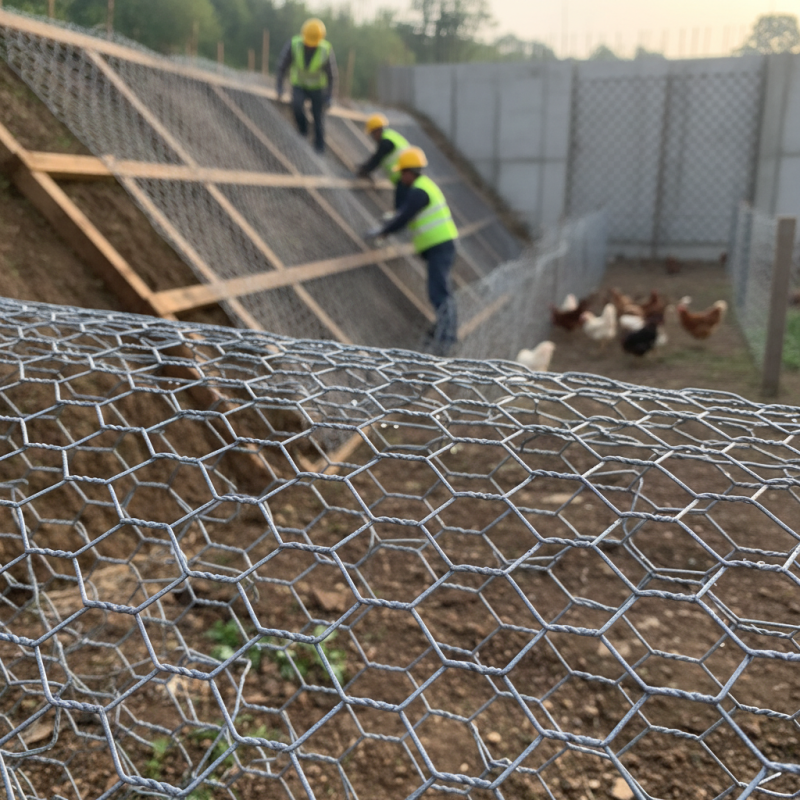
Understanding Hexagonal Wire Mesh: Definition and Characteristics
Hexagonal wire mesh is a versatile material used in various applications. This mesh consists of many hexagon-shaped openings created by wires woven together. Often, it's made of galvanized steel, providing excellent durability against corrosion. Its unique shape helps distribute weight evenly, making it ideal for fencing and reinforcement.
In practical usage, hexagonal wire mesh can support plant growth, keeping small animals at bay. Many gardens use it for this reason. It also serves as a support structure for concrete, enhancing stability. However, its installation requires careful planning to avoid issues later. Proper tensioning is crucial.
Moreover, hexagonal wire mesh is lightweight, making it easy to work with. Yet, this can become a disadvantage if not secured well; high winds may displace it. Always consider the specific needs of your project. Each application may reveal different challenges that call for thoughtful solutions. Experimenting with various fastening methods could lead to better outcomes.
Hexagonal Wire Mesh Tips for Effective Use and Application
| Characteristic | Description | Applications | Benefits |
| Material | Typically made from galvanized steel, stainless steel, or plastic. | Animal enclosures, fencing, and barriers. | Durability and resistance to corrosion. |
| Mesh Size | Generally ranges from 1/2 inch to 2 inches in size. | Garden fencing, aviaries, and partitions. | Optimal visibility and airflow. |
| Hexagonal Shape | Unique hexagonal pattern allows for flexibility. | Sustainable constructions, erosion control, and landscaping. | Enhanced strength and load distribution. |
| Installation | Can be installed easily with minimal tools. | DIY projects, construction sites, and livestock areas. | Cost-effective and time-saving. |
Types of Hexagonal Wire Mesh and Their Specific Applications
Hexagonal wire mesh comes in various forms, each serving specific applications. One common type is the plastic-coated hexagonal wire mesh. This type provides durability and corrosion resistance. It's often used in agricultural settings for poultry fencing. In fact, a study indicates that effective fencing can improve livestock protection by 30%. This is a significant benefit for farmers.
Another variant is the galvanized hexagonal wire mesh. It's designed for more demanding environments. The mesh's strength makes it suitable for erosion control and slope stabilization projects. When properly installed, this type can reduce soil erosion rates by up to 50%. However, improper installation can lead to soil loss and increased maintenance costs.
Welded hexagonal wire mesh also has its niche. This type is often used in construction and landscaping. Its rigidity ensures structural integrity for garden beds or outdoor barriers. Yet, it may not always offer the flexibility needed for a dynamic environment. The choice depends on specific needs, and sometimes the ideal option is overlooked.
Tips for Selecting the Right Hexagonal Wire Mesh for Your Project
When selecting hexagonal wire mesh for your project, consider the specific needs of your application. Different materials serve varied purposes. For landscapes, galvanized steel offers durability against corrosion. For poultry fencing, a lighter gauge mesh might suffice.
Evaluate the mesh size carefully. Larger hexagons allow for effective airflow but may not contain smaller animals well. Smaller sizes ensure safety but may restrict airflow or visibility. Balance is crucial here. Reflect on the habitat you are working within. A garden may require a different approach than a construction site.
Don’t overlook the importance of installation. An improperly secured mesh can lead to failure over time. Ensure that your tools and methods are appropriate. Planning the layout ahead of time can save you frustration. Taking the time to reassess your choices can lead to better outcomes. Don't rush; each detail matters.
Installation Techniques for Optimal Hexagonal Wire Mesh Performance
When installing hexagonal wire mesh, precision is key. Begin by preparing the ground surface. Clear away any large debris or vegetation. This step ensures a smooth base for your mesh. It’s essential to measure the area carefully. Use sturdy stakes to outline the desired shape. This visual aid helps in aligning the wire mesh correctly.
Next, unroll the wire mesh gently to avoid any kinks. Some might find it challenging to maintain tension. You could use weights along the edges to assist. Secure the mesh using sturdy fasteners. Use them liberally, especially at the seams. Overlooking this can lead to weak points, which may need adjustment later.
Lastly, check the overall alignment after installation. Misalignments can affect aesthetics and functionality. Don’t hesitate to rework sections that don’t meet your standards. Installation is often a trial-and-error process. Taking time to reflect on what works best improves results. It’s the small details that make a big difference in performance.
Maintenance Practices for Longevity of Hexagonal Wire Mesh Structures
Hexagonal wire mesh is a versatile material used for various applications. Its strength and flexibility make it ideal for fencing, erosion control, and even landscaping. However, like any structure, proper maintenance is crucial for longevity. Regular inspections help identify rust or wear. Cleaning the mesh periodically keeps debris from accumulating.
Here are some tips for effective use of hexagonal wire mesh. Ensure you're using the right gauge for your project. Thicker mesh offers better durability. When installing, make sure it's anchored securely. Loose mesh can sag over time. After installation, consider applying a protective coating. This helps prevent corrosion and extends the lifespan.
Be mindful of exposure to harsh weather. Sunlight can degrade some materials. Reapplying protective layers is essential. Check for any signs of wear regularly. A small tear can grow over time, leading to more significant issues. Don't overlook the importance of addressing these concerns proactively. Regular maintenance can save you from costly repairs later.
 Skip to content