What is Fire Resistant Black Rock Wool and Its Benefits?
In the world of fire safety, "Fire-Resistant Black Rock Wool" stands out as a crucial material. Experts recognize its significant role in building construction. Dr. Emily Johnson, a leading consultant in fire safety solutions, once stated, "Fire-resistant materials like black rock wool can save lives when installed correctly." This emphasizes the importance of using reliable products in our buildings.
Fire-Resistant Black Rock Wool is more than just insulation. It provides essential fire resistance and can withstand high temperatures. This material expands its value beyond basic insulation properties. It is eco-friendly and highly effective in noise reduction, making it a popular choice for both residential and commercial buildings.
Despite its benefits, there are challenges in achieving optimal performance. Installation must adhere to guidelines to ensure effectiveness. Missteps can negate the advantages of using this innovative material. Overall, understanding both the benefits and potential pitfalls will guide informed decisions in selecting fire-resistant solutions for modern construction.
Definition and Composition of Fire Resistant Black Rock Wool
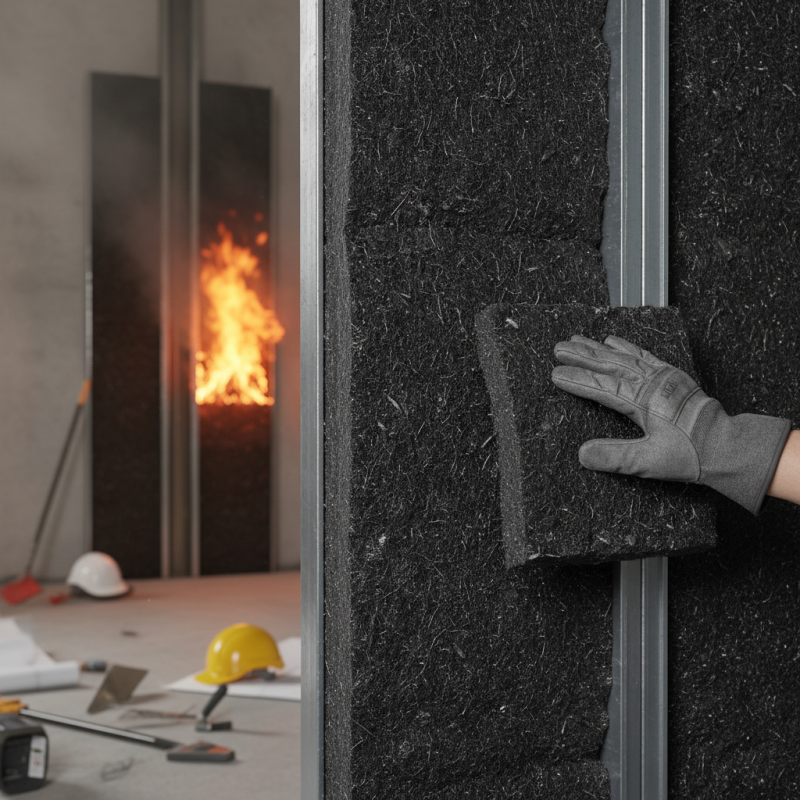
Fire resistant black rock wool is a versatile insulation material made from basalt rock and recycled materials. Its unique composition allows it to withstand high temperatures, making it an excellent choice for fire-resistant applications. The fibers are formed through a process of melting and spinning the rock, resulting in a dense mat that can be easily installed in various construction settings.
One notable benefit of black rock wool is its excellent thermal insulation properties. It not only helps maintain temperature but also reduces noise transmission between spaces. This material is non-combustible and does not emit harmful smoke when exposed to fire. While it’s a durable solution, some professionals may overlook the importance of proper installation.
Installation errors can compromise its effectiveness, suggesting that training and skill are crucial in utilizing this product fully. Moreover, rock wool is inherently water-resistant, which reduces the risk of mold growth. However, its weight can be a challenge during installation, requiring careful handling.
Educating builders about these details can enhance safety and performance. While it exhibits many benefits, users must remain vigilant about installation practices to ensure optimal results.
Properties and Characteristics of Fire Resistant Black Rock Wool
Fire resistant black rock wool is an advanced insulation material known for its exceptional characteristics. This mineral wool is made from natural volcanic rock, offering outstanding fire resistance. It can withstand temperatures up to 1,000 degrees Celsius without melting or compromising its performance. According to the National Fire Protection Association (NFPA), materials like black rock wool significantly reduce fire spread in commercial and residential buildings.
In addition to its fire-resistant properties, this material excels at thermal and acoustic insulation. It provides excellent sound absorption, making spaces quieter and more comfortable. A study by the Department of Energy indicates that rock wool insulation can reduce energy consumption by 30%, contributing to lower utility bills. Its density offers durability and resistance to pests and moisture, but installation can be challenging without proper techniques.
While fire resistant black rock wool has many benefits, it is crucial to consider potential drawbacks. Improper handling can lead to fibers becoming airborne, posing respiratory risks. Adequate safety measures are necessary during installation. Not all builders may be familiar with its installation properties, leading to inconsistent performance in some cases. As with any building material, understanding both its advantages and limitations is vital for effective use.
Advantages of Using Fire Resistant Black Rock Wool in Construction
Fire Resistant Black Rock Wool is a versatile insulation material that offers significant advantages in construction. Its ability to withstand high temperatures makes it an essential choice for fire safety. According to a report by the Global Insulation Market, rock wool can resist temperatures up to 1,000 degrees Celsius. This capability can significantly reduce the risk of fire spreading within structures.
Using Fire Resistant Black Rock Wool in building projects enhances safety. Its non-combustible properties provide a protective barrier against flames. The acoustic insulation also helps minimize noise pollution, making buildings more comfortable. A recent industry study found that installations using rock wool can lower sound transmission by over 50%. This contributes to a safer and quieter living environment.
However, it is crucial to address some potential downsides. Installation can be a bit challenging due to the material’s density. Proper techniques must be applied for effective results. Regulations surrounding insulation materials have evolved, and ensuring compliance with current standards is vital. Stakeholders should stay informed about these changes to maintain safety and quality in construction projects.
Applications of Fire Resistant Black Rock Wool in Various Industries
Fire Resistant Black Rock Wool is a versatile material with a wide range of applications. It is commonly used in construction, where fire safety is crucial. Its excellent thermal insulation properties help regulate indoor temperatures. This enhances energy efficiency and reduces heating or cooling costs. In commercial buildings, it provides peace of mind by limiting fire spread.
In the automotive industry, this material serves as an effective sound and heat insulator. It protects vehicle components from high temperatures while minimizing noise. Manufacturers often rely on fire resistant black rock wool to meet safety standards. Despite its benefits, challenges remain. Some may find it difficult to source high-quality materials. Additionally, installation can be complicated, requiring skilled labor.
In industrial settings, black rock wool is utilized for piping insulation and equipment protection. It can withstand extreme heat, making it ideal for refineries and power plants. However, improper installation may lead to gaps that reduce effectiveness. Continuous training for workers is essential to address such issues. Ultimately, fire resistant black rock wool remains a reliable choice for various applications, but awareness of its limitations is crucial for optimal performance.
What is Fire Resistant Black Rock Wool and Its Benefits? - Applications of Fire Resistant Black Rock Wool in Various Industries
| Industry | Application | Benefits | Fire Resistance Rating |
| Construction | Thermal insulation for walls | Energy efficiency, sound insulation | A1 (Non-combustible) |
| Automotive | Engine compartment insulation | Noise reduction, heat resistance | A1 (Non-combustible) |
| Energy | Insulation for power plants | Safety, durability | A1 (Non-combustible) |
| Shipbuilding | Fire protection in hull | Enhanced safety, compliance with regulations | A1 (Non-combustible) |
| Manufacturing | Insulation for industrial equipment | Heat conservation, fire safety | A1 (Non-combustible) |
Comparison with Other Insulation Materials and Their Fire Ratings
Fire-resistant black rock wool is gaining traction in the insulation industry due to its impressive fire ratings and thermal properties. Compared to traditional insulation materials, such as fiberglass and foam, black rock wool offers superior resistance to flames. According to the National Fire Protection Association (NFPA), rock wool products can withstand temperatures over 1,000 degrees Fahrenheit without melting or releasing toxic gases.
When examining fire ratings, rock wool consistently outperforms fiberglass. The latter typically has a maximum flame spread index of around 25, while rock wool boasts a flame spread index of zero. This significant difference illustrates its effectiveness in preventing fire spread. Furthermore, rock wool’s soundproofing qualities make it a versatile option in both residential and commercial spaces.
However, it is essential to consider the installation process of rock wool. While it offers many benefits, the need for proper handling and installation cannot be overlooked. Improper application can lower its effectiveness, raising concerns about its overall value. As the market evolves, ongoing research and development will refine these materials further, ensuring they meet the growing safety and efficiency demands of modern construction.
 Skip to content