Essential EV Charging Connectors and Adapters Tips for Buyers?
As electric vehicles (EVs) gain popularity, understanding the essential aspects of EV Charging Connectors and Adapters becomes vital for buyers. The global EV market is expected to reach over 26 million sales by 2030, according to recent industry reports. This surge emphasizes the importance of reliable charging infrastructure. Without the right connectors and adapters, drivers may face significant inconveniences.
Selecting the right EV charging components is crucial for efficiency and safety. Various connectors exist, such as CHAdeMO, CCS, and Tesla’s proprietary type. Each has unique specifications that cater to different vehicle models. According to the International Energy Agency, the global charging infrastructure must expand to keep pace with EV adoption. Yet many consumers remain confused about which connectors suit their needs best.
Buyers should be aware of compatibility issues and potential limitations. Misunderstandings about charging speeds and adapter use can lead to frustrating experiences. Investing time to research EV Charging Connectors and Adapters can lead to better choices. Consumers should seek advice from trusted sources and consider future vehicle purchases as they navigate this rapidly evolving market.
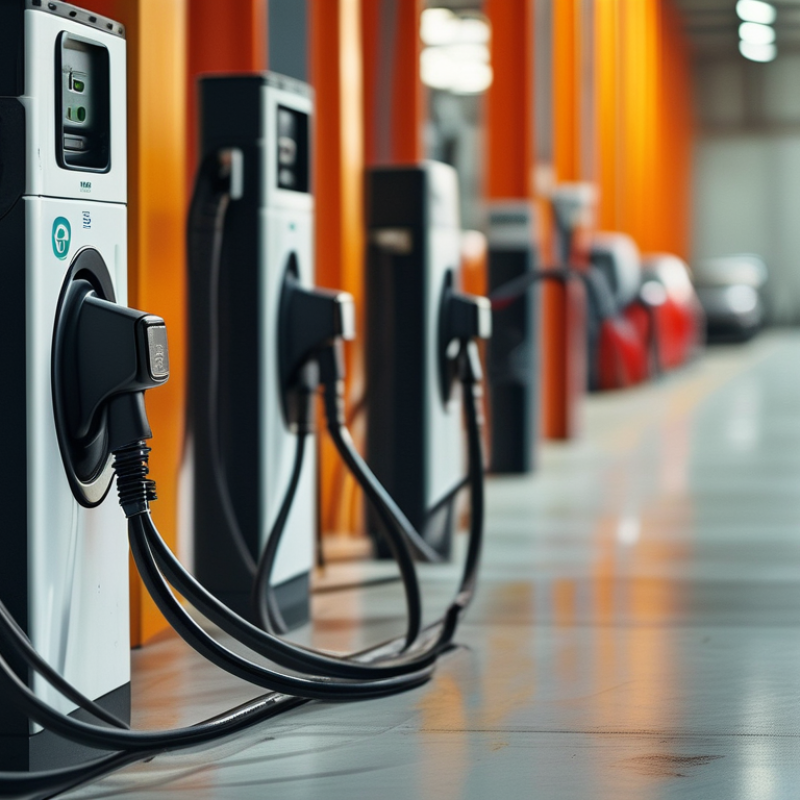
Understanding Different Types of EV Charging Connectors Available Today
As electric vehicles (EVs) gain popularity, understanding various charging connectors is essential for buyers. EV charging connectors come in several types, which can often confuse new users. The most common types are Type 1, Type 2, and CCS. Type 1 is predominantly used in North America, while Type 2 is more common in Europe. According to industry reports, over 70% of EVs sold in Europe are equipped with Type 2 connectors.
Another important connector is the CCS (Combined Charging System). This type supports both AC and DC fast charging, allowing for flexibility and speed. Reports indicate that CCS has become the preferred choice for most automakers, with over 50% of new EVs utilizing this standard. However, challenges arise as not all charging stations offer every connector type. Users may face compatibility issues, particularly in areas where charging infrastructure is still developing.
Adapters can serve as a solution, but they are not universally compatible. Some users have reported difficulties in finding the right adapter for their vehicle. It’s crucial to check compatibility before purchasing. Each type of connector has its pros and cons, adding to the complexities of the charging landscape. Awareness of these factors helps buyers make informed decisions for their EV charging needs.
Key Features to Consider When Choosing EV Charging Connectors
Choosing the right EV charging connectors is essential for effective charging. Buyers should evaluate several key features before making a purchase. First, compatibility is crucial. Different electric vehicles use various connector types, such as Type 1, Type 2, or CCS. Ensure your chosen connector fits your vehicle model.
Charging speed is another vital feature. Fast chargers can significantly reduce your charging time. Look for connectors that support higher kilowatt ratings. This feature also avoids frequent charging sessions, making your experience more convenient. Additionally, consider the durability of materials used in connectors. High-quality materials ensure longevity and reduce wear over time.
Safety standards should not be overlooked. Connectors that meet industry regulations help prevent hazards. Look for features like weather resistance and overcurrent protection. These aspects contribute to a safer charging experience. Reflecting on these features can guide you towards a reliable option. However, remember that pricing can vary widely. Do thorough research to find the best value for your needs.
Essential Adapters for Compatible Connection Across EV Models
Navigating the world of electric vehicle (EV) charging connectors and adapters can be challenging for buyers. With different EV models comes a variety of connector types. According to the International Energy Agency, as of 2022, the market for EVs has expanded to over 16 million globally. This rapid growth highlights the increasing need for compatible charging solutions.
It's crucial to understand the common types of connectors: CCS, CHAdeMO, and Tesla. Each serves different models and charging speeds. The CCS connector is favored in Europe and North America, while CHAdeMO is more common in Asian markets. Tesla’s proprietary design adds complexity for multi-brand users. A report by EV Specifications indicates that over 60% of electric vehicles compatible with CCS represent a significant portion of the charging landscape.
Tips for buyers include verifying compatibility before purchase. Always check your vehicle's specifications. Investing in a reliable adapter can enhance charging versatility. Also, consider the power output of public chargers; compatibility often varies by station. Lastly, keep an eye on evolving standards. The need for improved interoperability is key in an ever-changing market. Understanding these details can prevent frustration at the charging station.
Essential EV Charging Connectors and Adapters Tips for Buyers
| Connector Type | Compatibility | Charging Speed | Best Use Case | Notes |
| Type 1 (SAE J1772) | North American EVs | Up to 7.2 kW | Home charging | Widely adopted in North America |
| Type 2 (Mennekes) | European EVs | Up to 22 kW | Public charging stations | Commonly used across Europe |
| CCS (Combined Charging System) | Various global EVs | Up to 350 kW | Fast charging | Supports rapid charging |
| CHAdeMO | Japanese EVs | Up to 62.5 kW | Fast DC charging | Used by some Nissan models |
| Tesla Connector | Tesla models only | Up to 250 kW | Supercharging stations | Proprietary to Tesla |
Tips for Selecting the Right Charging Cable Length and Type
Choosing the right charging cable for your electric vehicle is crucial. The length and type of cable you select can greatly impact your charging experience. When considering length, think about where you park. A longer cable can provide flexibility if charging points are not conveniently located. However, it’s essential to balance length with practicality. Excess length may create clutter or can lead to damage.
In terms of cable type, consider the different standards available. Level 1 and Level 2 chargers offer distinct charging speeds. Level 1 is slower, suitable for overnight charging at home. Level 2 provides a faster charge, ideal for public charging stations. Each type has specific connectors, so ensure compatibility with your vehicle.
Don’t overlook the importance of quality in cable construction. Look for durable materials that can withstand wear and tear. Investing in a reliable charging cable is wise for safety and efficiency. Reflect on your usage patterns and charging needs to make an informed decision. The right choice can enhance your EV ownership experience significantly.
Safety Standards and Regulations for EV Charging Equipment
When considering EV charging equipment, safety standards are crucial. Compliance with established regulations ensures that chargers are reliable and do not pose hazards. Many countries have specific safety protocols that manufacturers must follow. These regulations typically include requirements for electric insulation, overload protection, and environmental assessments.
It is essential to verify whether charging connectors and adapters meet these established safety standards. Look for certifications from recognized bodies that indicate compliance. For example, third-party testing can provide insights into an adapter's reliability. Users should consider the potential risks of using non-compliant devices. A seemingly minor oversight could lead to electrical hazards or equipment damage.
It's worth noting that standards can evolve. Staying informed about the latest regulations is necessary for safe EV charging. Buyers might feel overwhelmed by the plethora of options available. This complexity can lead to misinformed choices. Engaging with knowledgeable professionals and resources can help clarify what is truly safe and necessary.
 Skip to content