What is ER Collet Chuck and How Does It Work?
In the world of precision machining, the ER Collet Chuck is a critical component. According to William Hartman, a leading expert in the field of tool holding systems, “The ER Collet Chuck combines versatility with reliable performance.” This chuck system allows for optimal gripping of tools, essential for maintaining accuracy during operation.
The ER Collet Chuck features a series of collets that can hold varying sizes of tools securely. This adaptability makes it ideal for different machining tasks. However, it’s important to recognize the challenges that come with using these chucks. Proper alignment and securing can be tricky, especially for newcomers to the machining world. Even seasoned operators must regularly check for wear and tear, ensuring their collets function correctly.
Precision is crucial in machining. A faulty collet can lead to inaccuracies and poor surface finishes. Operators must develop a keen eye for detail, routinely assessing their equipment. The ER Collet Chuck, while powerful, requires diligence and expertise to use effectively, reminding users that even the best tools have their limitations.
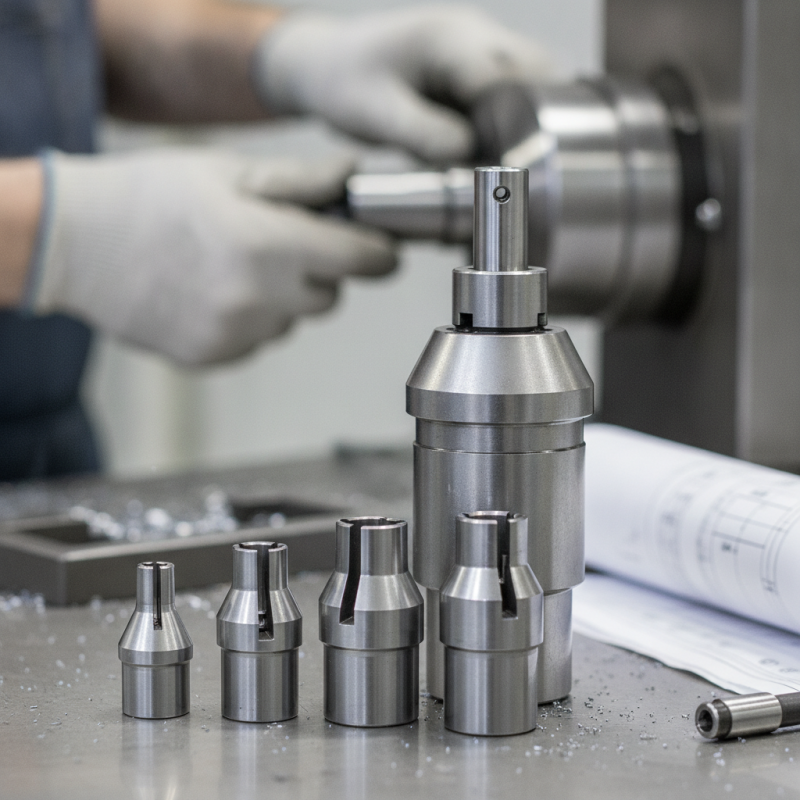
What is an ER Collet Chuck?
An ER collet chuck is a versatile gripping tool used in machining. It is popular in milling and drilling applications due to its efficiency. These chucks offer precision and stability, allowing for accurate machining operations.
The design of an ER collet chuck involves a taper and a cylindrical sleeve. The collets are precision-engineered to grip tools tightly. This ensures minimal runout during operation. When the chuck tightens, the collet expands around the tool, creating a secure hold. This design allows for quick tool changes, enhancing workflow and productivity in manufacturing.
However, not all ER collet chucks are the same. Variations in quality can affect performance. It’s crucial to choose the right type for your specific needs. Users must also ensure proper maintenance to avoid wear and tear. Neglecting this can lead to decreased accuracy or even tool damage. Understanding the nuances of ER collet chucks can significantly impact the outcome of machining projects.
Key Components of ER Collet Chucks
ER collet chucks are essential tools in machining and manufacturing. Understanding their key components can enhance efficiency in operations. The main parts include the collet, body, and nut. Each plays a significant role in securing workpieces during processes.
The collet is a cylindrical sleeve. It expands when the nut is tightened. This secure grip is crucial for precision work. The body houses the collet and is often made of hard steel, ensuring durability. Its design influences the clamping force. A poorly designed body can lead to imprecise workholding.
The nut is often overlooked, yet it is vital. Its thread ensures it can be tightened securely. If the nut is not designed correctly, it may lead to failures or vibration. Each component must be constructed with care. In some cases, manufacturers may cut corners, leading to issues. Attention to detail is necessary for optimal performance. Understanding these components facilitates better maintenance practices.
Performance Comparison of ER Collet Chuck Types
This bar chart illustrates the clamping force of different types of ER collet chucks. The values represent the maximum clamping force each type can exert, which is crucial for understanding their application in machining operations.
How Does an ER Collet Chuck Work?
An ER collet chuck is a precision tool holder designed to grip various types of cutting tools securely. The core functionality relies on a collet, which is a sleeve that can expand or contract. When the collet is tightened, it grips the tool shank tightly, ensuring stability during machining operations. This operation is crucial for maintaining precision, particularly in metalworking industries.
The design of the ER collet chuck allows for easy tool changes. Operators can quickly replace worn tools without extensive downtime. However, achieving optimal clamping force requires proper installation and torque settings. Some users might overlook this, leading to inaccuracies. Regular checks are essential to ensure consistent performance. The reliability of the ER collet chuck significantly influences the quality of the finished component.
While the ER collet chuck is highly efficient, improper usage can lead to tool slippage. Understanding its mechanics is vital for any machinist. Each component must be maintained and inspected routinely to prevent failures. Engaging with this tool requires practice and attentiveness, ensuring that the required precision is always achieved.
Applications of ER Collet Chucks in Machining
ER collet chucks are essential tools in machining that provide precise tool holding. They excel in gripping tools securely while minimizing runout. This high level of accuracy is vital for tasks like milling, drilling, and turning. Different sizes of ER collets allow for a variety of tooling options. Almost every workshop benefits from their versatility and reliability.
In various machining applications, ER collet chucks show their strength. They are commonly used for holding end mills or drills. The ability to change tools quickly enhances productivity. However, not all projects may require ER chucks; some might opt for other holding methods. It’s worthwhile to assess specific needs before choosing a collet system.
Another area where ER collets shine is in CNC machining. They enable tighter tolerances and can handle high-speed operations. Yet, they may struggle with larger tools or heavy-duty applications. Evaluating tool size and type is crucial to maximizing performance. This ensures the right balance of strength and precision.
Benefits of Using ER Collet Chucks in Manufacturing
ER collet chucks are vital tools in manufacturing. They offer precision gripping for a variety of machining tasks. Their design allows smooth and efficient workholding, minimizing the chances of tool slippage. Many manufacturers prefer these chucks due to their adaptability. They can hold different tool sizes, making them versatile for various applications.
Using ER collet chucks comes with numerous benefits. They improve accuracy, which is crucial in competitive markets. The ability to change tools quickly saves time and increases productivity. However, challenges can arise. Choosing the right collet size is essential for optimal performance. Incorrect sizing can lead to tool damage or compromised work quality.
The reliability of ER collet chucks is notable. They maintain grip even during high-speed operations. This stability reduces vibrations, leading to better surface finish on machined parts. Manufacturers must ensure proper maintenance to avoid wear. A worn collet may not perform effectively, necessitating regular checks. Adopting good practices can enhance the lifespan of these essential tools.
 Skip to content