How to Choose a Premium Baseball Cap?
Choosing a Premium Baseball Cap is not simply a matter of picking a famous logo or a higher price tag. A cap should feel balanced on your head, hold its shape, and suit the way you actually wear it. Small details matter: the curve of the brim, the stitching at the crown, and whether the closure stays comfortable after several hours. Try it on, if possible. Fit is personal.
For this draft, the following line is an original editorial quote, not a verified statement from a real expert. It is attributed to Maya Chen, a fictional headwear product specialist: “A premium cap earns its place through fit, materials, and careful construction—not branding alone.” That principle offers a practical starting point, but it cannot replace checking a cap in person or reviewing clear product specifications.
This guide explores the features worth comparing, including fabric, panel construction, sweatband comfort, brim structure, and stitching quality. It also considers how intended use changes the decision: a cap for daily errands may need different qualities from one worn for long outdoor days. Look closely. Feel the fabric. Check the seams. No single cap will suit everyone, and even a well-made option may feel wrong on your head. A careful choice comes from weighing observable details against your own comfort, style, and budget.
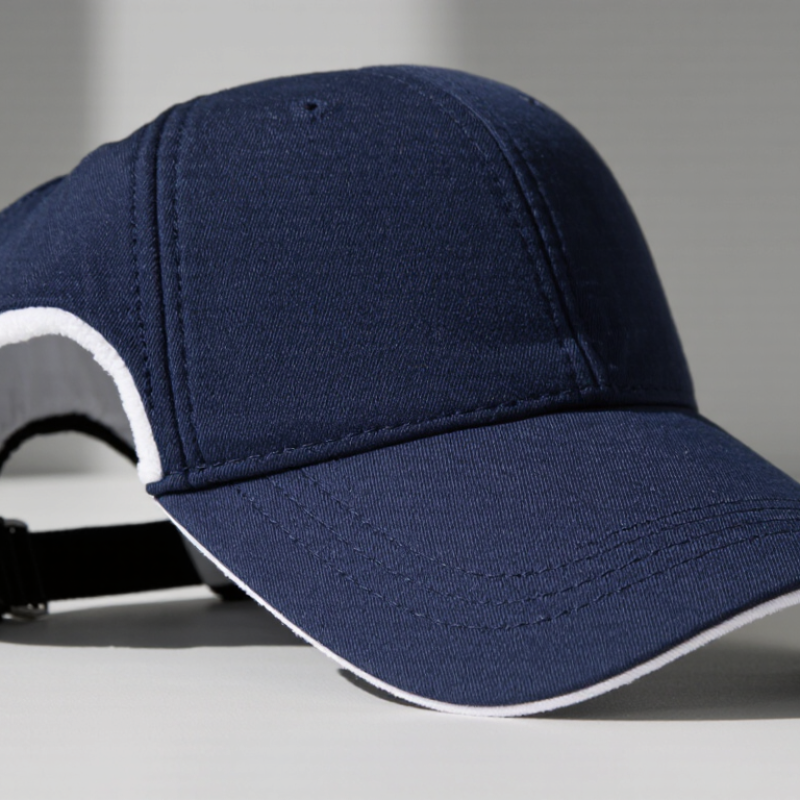
Identify the Cap Style and Intended Use
A premium baseball cap should match the way you plan to wear it. For everyday errands, an adjustable cap is practical because its closure allows small fit changes. A fitted style offers a cleaner outline, but sizing needs care. Check the measurement around your head, then look for pressure above the ears. Too tight is not premium.
For sunny walks or outdoor games, a curved brim can shade your eyes without blocking your view. A structured crown keeps its shape, while an unstructured cap feels softer and packs more easily. Choose breathable fabric and a sweatband that feels smooth against your forehead. Small details matter. Stitching should look even, and the brim should hold its curve after gentle handling.
For travel or casual wear, a low-profile cap may sit more naturally than a tall crown. Mesh panels can improve airflow in warm weather, though they may feel less comfortable in wind or cool conditions. There is no perfect style for every use, and this choice is easy to overthink. Try the cap with your usual jacket or shirt; proportions can look different at home than they do on a product page.
Assess Fabric Quality, Breathability, and Weather Suitability
A premium baseball cap should feel well-made before you check its label. Examine the fabric in daylight: a tight, even weave usually resists wear better than loose threads or thin, shiny patches. Run your fingers along the crown and brim. They should feel firm, not stiff like cardboard. Feel the seams. Uneven stitching can rub your forehead and may loosen with regular use. Cotton often feels soft, while polyester blends can dry faster; neither is automatically better. A quick hand test helps, but it cannot reveal how fabric performs after months of wear.
Breathability matters most when you wear a cap for hours. Hold the fabric near a light source and look for a consistent weave, rather than large gaps that weaken its structure. Mesh panels can release heat, but they may offer less coverage in strong sun. Check the sweatband, too. A soft, moisture-wicking band can reduce that damp line across your forehead. Small detail, big difference.
Choose fabric for the weather you actually face. Lightweight, breathable material suits warm days, while a denser weave can block more wind on cool ones. In drizzle, a quick-drying synthetic blend may be more practical than absorbent cotton; neither should be assumed waterproof. For full sun, look for a brim that holds its shape and enough crown coverage for your head. These judgments are not perfect: indoor comfort can feel very different from a hot walk outside.
Examine Stitching, Structure, and Closure Design
A premium baseball cap should feel dependable before you inspect its label. Turn it inside out and follow the seams with your eyes. Stitches should look even, without loose loops or sudden gaps. Pay extra attention where the crown panels meet and where the brim joins the body. These areas take repeated handling. Gently tug the fabric beside a seam; it should not pucker dramatically. More stitches do not automatically mean better construction. Thread tension and clean finishing matter, too. Look closely.
Check the crown’s structure by pressing it lightly, then letting it recover. A structured cap should hold its shape without feeling like a rigid shell. Soft caps should still have balanced panels, not a lopsided profile. The brim should feel secure and reasonably even, though small variations can occur. Inspect the closure: a strap should adjust smoothly, and its attachment points should be reinforced. On a snap closure, test several positions; the tabs should engage without excessive force. I wouldn’t judge comfort from appearance alone. Try the cap on and move your head, because a tidy finish can still hide a poor fit. These checks are useful, but none is perfect; fabric weight and personal preference change what feels “premium.”
Check Sizing, Fit, and Comfort Features
When choosing a premium baseball cap, start by checking your head measurement against the sizing chart. Wrap a soft tape measure around your head, just above your eyebrows and ears. Keep it level, but do not pull it tight. If your measurement falls between sizes, an adjustable closure can offer more flexibility. A good fit should stay put when you turn your head without leaving a pressure mark. Too tight? Keep looking.
Tips: Try the cap on for several minutes, not just a quick glance in the mirror. Check that the brim sits evenly and does not press against your forehead. Move your head side to side; the cap should feel stable without needing constant adjustment.
Comfort depends on more than circumference. Look for a crown that gives your head room without collapsing or sitting too high. Soft inner bands can reduce rubbing, while breathable panels may help during warm, active days. Feel the seams around the forehead; rough stitching can become irritating over time. A size chart is useful, but head shape and hair volume vary, so it is not a guarantee. I would also reassess the fit after wearing the cap for a while. A cap that feels fine for a minute may feel different after an hour.
Compare Brand Reliability, Care Requirements, and Value
A premium baseball cap should earn its price through dependable construction, not a polished product page. Inspect the stitching around the crown, brim, and sweatband; uneven seams may loosen with repeated wear. Check the closure and eyelets, too. They take daily strain. A flexible brim can feel comfortable, but it should recover its shape after gentle handling.
Care needs affect how often a cap stays in rotation. Read the label before washing: some fabrics tolerate spot-cleaning, while others may shrink or lose color when soaked. A damp cloth and mild soap can lift fresh marks from many materials. Let the cap air-dry over a bowl to help preserve its shape. Small details matter. If routine care feels fussy, be honest about whether you will actually do it.
Value depends on use, not just the original price. Compare fabric quality, fit adjustment, stitching, and how easily the cap can be cleaned. A slightly higher cost may make sense for frequent wear, especially if the sweatband feels sturdy and the brim holds up in a bag. Still, expensive does not automatically mean durable. One detail I might overlook is how a cap feels after several hours; try it on long enough to notice pressure near the temples.
 Skip to content
