How to Choose the Right Forged Round Rings
Choosing Forged Round Rings is not just a matter of selecting a diameter from a catalog. The ring must suit its load, material, operating temperature, and connection method. A mismatch may show up later as uneven wear, distortion, or difficult installation. Small details matter.
For transparency, no source was provided for a verifiable industry expert quotation. The following is an original editorial line, not a real person’s statement, attributed to a clearly fictional composite specialist named Morgan Lee: “Choose the ring for the load path, not the drawing alone.” It captures a useful starting point. Confirm dimensions against the drawing, then check the required alloy, heat treatment, tolerances, and inspection records with the supplier. Ask how the ring was forged and what documentation accompanies it. Details count.
A practical comparison should include more than price. Look at grain flow, surface condition, machining allowance, and the manufacturer’s ability to meet the specified geometry. For critical assemblies, request test reports and clarify acceptance criteria before ordering. A crisp specification helps.
There is no universal best ring. Service conditions differ, and a neat-looking part can still be wrong for its application. Even experienced buyers can overlook one constraint. This guide explains how to compare requirements, assess suppliers, and select Forged Round Rings with evidence rather than guesswork.
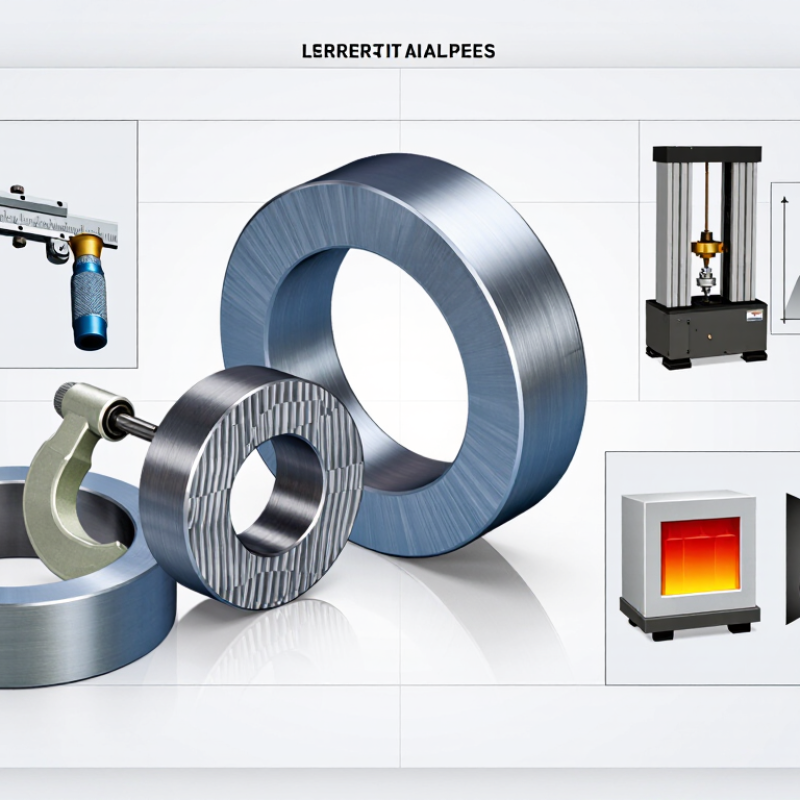
Define the Ring’s Application and Required Load Capacity
Before choosing a forged round ring, define exactly what it will do. A lifting point, a mooring connection, and a machine linkage face different forces. Describe the load direction, how often it changes, and whether sudden starts or impacts are possible. Loads move. A ring rated for a steady pull may not suit repeated shock loading.
Calculate the maximum expected load for the complete setup, not just the item attached to the ring. Sling angles can increase the force on each connection, while side loading may stress a ring differently from a straight pull. Check the manufacturer’s stated working load limit, material specifications, and any temperature or corrosion restrictions. Leave an appropriate safety margin based on the application and applicable engineering requirements. A neat spreadsheet can still miss a real-world detail, such as a misaligned shackle. Have a qualified engineer review critical or unusual setups. Fit matters. Confirm that pins and connecting hardware seat properly, then inspect for wear, cracks, deformation, or corrosion before use.
Select the Appropriate Alloy and Forging Method
Choosing an alloy starts with the ring’s actual service conditions, not a catalog label. Consider load, temperature, corrosion exposure, fatigue, and later machining. Carbon and alloy steels can suit demanding mechanical loads, while stainless grades may help in corrosive environments. No grade is universally better. Small details matter. Chlorides, for example, can challenge some stainless steels, and heat treatment changes final strength and toughness. Specify the required properties and operating environment before comparing prices. A common mistake is focusing on tensile strength alone; it does not describe every failure risk.
The forging method also shapes the ring’s performance and cost. For many large, axisymmetric parts, seamless rolled-ring forging forms a ring from a heated, pierced billet and expands it between rolls. The process can create useful circumferential grain flow, but results still depend on material, reduction, and heat treatment. Closed-die forging may fit smaller rings or more complex shapes, though tooling needs can affect cost. Ask how the chosen process controls dimensions and internal quality. Review material certificates, heat-treatment records, and inspection requirements. The trade-off is not always neat: a stronger alloy or tighter tolerance may add cost without improving service life in your specific application.
How to Choose the Right Forged Round Rings: Select the Appropriate Alloy and Forging Method
Typical density of common ring alloys (g/cm³)
Density is a useful first comparison, but choose an alloy based on required strength, corrosion resistance, operating temperature, and weight. Values shown are typical and may vary slightly by grade. For ring-shaped parts, ring rolling can help produce a continuous ring; open-die or closed-die forging may suit other sizes and geometries. Confirm the alloy and forging route with the supplier against the design requirements.
Set Ring Dimensions, Tolerances, and Surface Requirements
For forged round rings, define the outside diameter, inside diameter, and axial width on the drawing. State whether each dimension applies to the forged blank or the machined part. That distinction affects stock allowance and inspection. Add requirements for roundness, concentricity, and flatness when the ring’s fit or rotation depends on them. Tolerances should reflect the assembly and the forging process, not simply use the tightest available values. Small differences matter. A drawing can appear precise yet leave room for interpretation, especially around measurement locations.
Tips: Identify datums and mark where each dimension is measured. Specify surface roughness with an Ra value only where it matters, such as a sealing face or bearing contact. Keep visual requirements separate: “free of sharp burrs” is clearer than “good finish.” Keep it measurable.
Forged surfaces may show scale, texture, or minor variation, while machined faces should meet their stated finish. Describe which areas may remain as-forged and which must be machined. If appearance matters, include a reference sample or clear acceptance criteria; vague terms invite disagreement. It is tempting to control every surface, but unnecessary limits can add machining time without improving fit. Review the tolerances with the supplier and inspection team before production, then confirm that the chosen gauges can verify them.
Assess Supplier Quality Controls and Traceability
How to Choose the Right Forged Round Rings
A forged round ring is only as dependable as the controls behind it. Ask suppliers how they verify material, forging, heat treatment, and final dimensions. Request records that connect the finished ring to its original material heat or batch. Traceability should be more than a certificate in a folder. The identification on the ring or its packaging should match the inspection and test records. Details matter.
Tips: Check a sample document pack before ordering. Look for material test results, heat-treatment records, dimensional inspection data, and clear lot identifiers. Ask which gauges are used and how their calibration is tracked. If a field is unclear, ask for a worked example.
A capable supplier can explain what happens when an inspection result falls outside the agreed range. Ask how affected parts are separated, reviewed, and documented. A neat report is useful, but it does not prove every handoff worked perfectly. Gaps can happen. Pay attention to whether staff answer specific questions with consistent records, rather than general assurances. For critical service, agree on required tests, acceptance criteria, and document retention before production begins. This small step can prevent confusion when a ring needs later review or replacement.
Verify Certifications, Inspection Results, and Final Fit
A forged round ring should arrive with records that identify what it is, not just a certificate stamped “passed.” Check that the material certificate matches the purchase specification and lists the heat number found on the ring or its tag. Confirm the required grade, heat treatment, and testing are documented. A mismatch in one digit can slow acceptance, even when the metal itself is sound.
Read inspection results against the drawing. Look for measured inside and outside diameters, thickness, roundness, and any specified nondestructive testing. Check the units and acceptance limits; a number without a stated tolerance is hard to judge. It is easy to over-trust a tidy report. Ask who performed the inspection and whether the results are traceable to this exact part. Keep the answer with the receiving record.
Then verify the final fit with the actual mating parts, where practical. A ring can meet its drawing dimensions and still bind because of coating, burrs, or assembly alignment. Check the seating face and clearance with feeler gauges, and note any adjustment before installation. A small rub mark matters. If the fit feels forced, stop and compare measurements rather than assuming the part will settle in. That extra check is not always convenient, but skipping it can hide a real mismatch.
 Skip to content