How to Choose the Best Maternity Pad for Global Buyers
Choosing the best Maternity Pad is not simply a matter of selecting the thickest product. Global buyers must consider absorbency, softness, fit, packaging, and reliable quality evidence. Postpartum bleeding can change during the day, so one pad may not suit every stage. A comfortable product should protect clothing without feeling bulky or irritating.
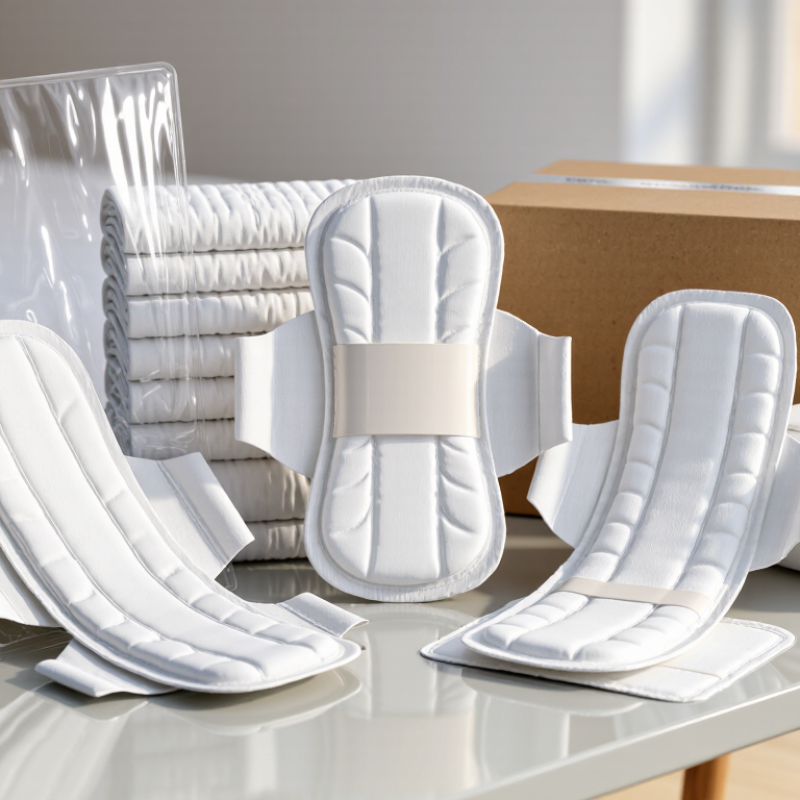
Look closely at the materials. Soft, breathable surfaces can reduce discomfort during long wear, especially when sitting, walking, or resting after delivery. A wide back, secure adhesive, and flexible shape may help prevent leaks. Still, product descriptions can sound impressive without proving performance. Buyers should request test reports, manufacturing details, and clear instructions before placing large orders.
Country requirements also differ. Importers should review local labeling, safety, language, and packaging expectations with qualified professionals. They should check whether absorbency claims are measured through a recognized testing method. Supplier audits, sample trials, and batch inspections can reveal problems that photographs hide. Small details matter, such as sealed individual wrapping and carton protection during humid transport.
There is no universal “best” choice.
A careful comparison should include user comfort, supplier reliability, and total landed cost. Price alone can mislead. An inexpensive Maternity Pad may create higher returns, complaints, or waste if its fit fails. Feedback from hospitals, retailers, and postpartum users adds practical insight. Yet even feedback has limits, because body shape, recovery needs, and cultural preferences vary. This guide offers a structured way to compare products honestly, while recognizing that further testing may still be necessary.
Define Lochia Needs Using WHO’s ≥1,000 mL Postpartum Hemorrhage Threshold
Choosing a maternity pad starts with understanding lochia, not simply selecting the thickest product. Lochia is usually bright red during the first days, then becomes brownish and lighter. Flow varies after vaginal birth, caesarean birth, breastfeeding, and movement. A pad can support hygiene, but it cannot accurately measure blood loss.
WHO defines postpartum haemorrhage as blood loss of at least 1,000 mL within 24 hours after birth, with signs of hypovolaemia. WHO’s Trends in Maternal Mortality report identifies postpartum haemorrhage as a leading global cause of maternal death, causing about 70,000 deaths annually. This threshold is a medical warning, not a shopping target. Choose pads with verified absorbency data, a wide back, soft edges, and breathable materials. Packaging should explain dimensions, absorbency testing, and disposal clearly.
Watch the pad, but do not trust it alone. A pad becoming fully soaked quickly, repeated large clots, dizziness, weakness, or breathlessness needs urgent medical attention. Seek local clinical help immediately. Absorbency claims can also be imperfect; laboratory results may not match real postpartum movement or flow. I would compare tested capacity with comfort, leakage control, and practical availability. The best choice is not always the largest pad. It is the one that supports changing frequency without hiding dangerous bleeding.
Compare Absorbency and Rewet Results with EDANA NWSP Test Methods
How to Choose the Best Maternity Pad for Global Buyers
Absorbency is more than a large capacity number. Buyers should examine how quickly a maternity pad accepts fluid and prevents surface pooling. EDANA NWSP test methods offer a structured comparison for these performance details. Controlled testing can use a defined liquid, measured dosage, and consistent application speed. This reduces guesswork between suppliers and production batches.
Rewet testing checks how much liquid returns to the surface under pressure. A laboratory may place filter paper over the pad, apply a specified load, and measure weight gain. Lower rewet usually indicates a drier surface, but comfort depends on more than this result. Pressure changes results. Different core materials, cover fabrics, and compression levels can produce different outcomes. Repeated absorption testing is also valuable because real use rarely involves only one fluid release.
Global buyers should request the complete test conditions, not just a single result. Ask about liquid type, sample age, loading volume, pressure, timing, and repetition count. Results from independent laboratories improve credibility, especially when products enter different climates and healthcare markets. Still, laboratory data cannot fully reproduce body movement, fit, or overnight use. That limitation matters. I have seen pads perform well in controlled tests yet feel less secure during walking. Buyers should combine NWSP results with wear trials, leakage checks, skin-contact reviews, and batch consistency records. A slightly lower absorbency figure may be acceptable when rewet is clearly controlled and comfort remains reliable.
Assess Skin Safety Through OEKO-TEX STANDARD 100 and EU REACH
For global buyers, skin safety should guide maternity pad selection, not only absorbency or price. OEKO-TEX STANDARD 100 confirms that tested textile components meet limits for selected harmful substances. Ask whether the certificate covers the finished pad, absorbent core, adhesive, backing film, and packaging. A fabric certificate alone may not represent the complete product.
EU REACH adds another layer of chemical control. It addresses restricted substances and substances of very high concern in the supply chain. Request current compliance documents, laboratory reports, and the certificate number before approval. Check the test date, product description, and manufacturing site carefully. Small differences matter.
Tips: Request samples from the actual production line. Check odor, surface softness, adhesive residue, and edge friction after several hours of use. Ask suppliers how they control dyes, fragrances, and processing chemicals. Prefer clear answers supported by traceable records. A certificate is useful, but it is not a permanent guarantee. Formulas, suppliers, and production sites can change. Recheck documents periodically, even when the previous shipment performed well. Thin pads may feel comfortable, yet poor airflow or rough edges can still irritate sensitive skin. This is where practical user testing should question paperwork, rather than replace it.
Check Fit, Core Design, and Leak Protection for 24-Hour Wear
For global buyers, a maternity pad must fit the body, not only the package. Postpartum bleeding can continue for several weeks, according to the American College of Obstetricians and Gynecologists. Choose a longer back, wide wings, and a soft surface that stays flat during walking or sleep. Measure comfort in different positions. A pad that shifts at night is not a reliable 24-hour solution.
Core design matters more than impressive thickness. Look for a fast-absorbing top layer, a high-capacity cellulose or superabsorbent core, and sealed edges. The core should spread fluid across its length, reducing one wet spot under the hips. The WHO’s 2022 postnatal-care recommendations emphasize monitoring bleeding and maintaining personal hygiene. In practice, buyers should check absorption data, material safety tests, and independent quality records.
Leak protection needs a realistic reading. “24-hour wear” should mean day-and-night coverage through planned changes, not wearing one pad for 24 hours. Change frequency depends on flow, but a saturated pad needs immediate replacement.
The WHO reported approximately 287,000 maternal deaths in 2020, with severe bleeding remaining a major cause.
This makes reliable protection important, but it cannot replace medical attention. A sudden heavy flow, large clots, fever, or dizziness requires professional care. Some designs still fail during side sleeping. Test them honestly.
Compare Cost per Use, Packaging, and Disposal Rules Across Global Markets
How to Choose the Best Maternity Pad for Global Buyers
A reliable comparison starts with cost per use, not pack price. Divide the total purchase cost by the number of pads that meet the intended need. A low-priced pad may require changing every two hours, while a more absorbent option may last longer. That difference affects transport, storage, and workplace supply costs. It matters.
Test daytime, overnight, and postpartum use separately. Fit, leakage protection, skin comfort, and adhesive stability can change the real cost. In purchasing reviews, a small trial group often reveals problems that product sheets miss. Keep records.
However, trial results are not universal, because climate, clothing, and personal recovery conditions vary.
Packaging also deserves a close inspection. Individual wrapping improves hygiene during travel, but it increases material use. Check whether the outer carton, plastic film, and adhesive components can be separated. Recycling symbols are useful, but local collection systems decide what is actually accepted.
Do not assume imported packaging follows the buyer’s disposal rules. For disposal, most used pads belong in a closed waste bin, not a toilet, unless local guidance clearly states otherwise. Buyers should verify municipal instructions, facility policies, and product labels in each target market.
Some regions apply producer-responsibility or packaging-reporting requirements, and these obligations can change. A practical specification should list pack size, material composition, disposal wording, and estimated cost per use.
That document may feel tedious, yet it prevents expensive misunderstandings.
Skip to content