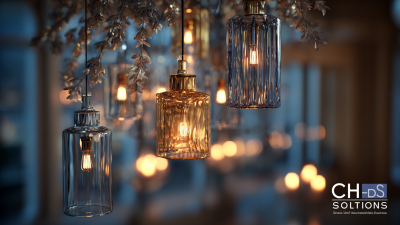
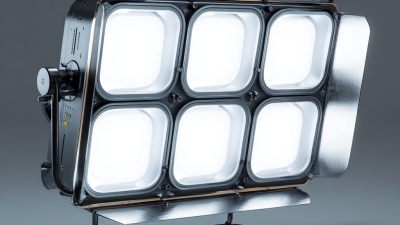
How to Choose the Best Led Light Design for Your Needs?
Choosing the right LED light design is essential for enhancing your space. With so many options available, it can be overwhelming. The ideal LED light design should complement your style and meet your functional needs.
When selecting, consider the purpose of the lighting. Are you illuminating a workspace, or creating ambiance? Different designs offer unique qualities. For example, decorative fixtures enhance aesthetics, while task lighting focuses on efficiency.
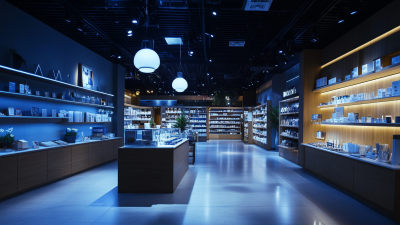
Don't overlook the importance of color temperature. Warm or cool light changes the mood and usability of an area. A practical approach involves testing different designs in your space. Sometimes, what looks good in the store may not suit your environment. Be prepared to experiment and adjust. Understanding your specific needs leads to a more informed choice. This reflection on your requirements will refine the selection process and ensure satisfaction with your LED light design.
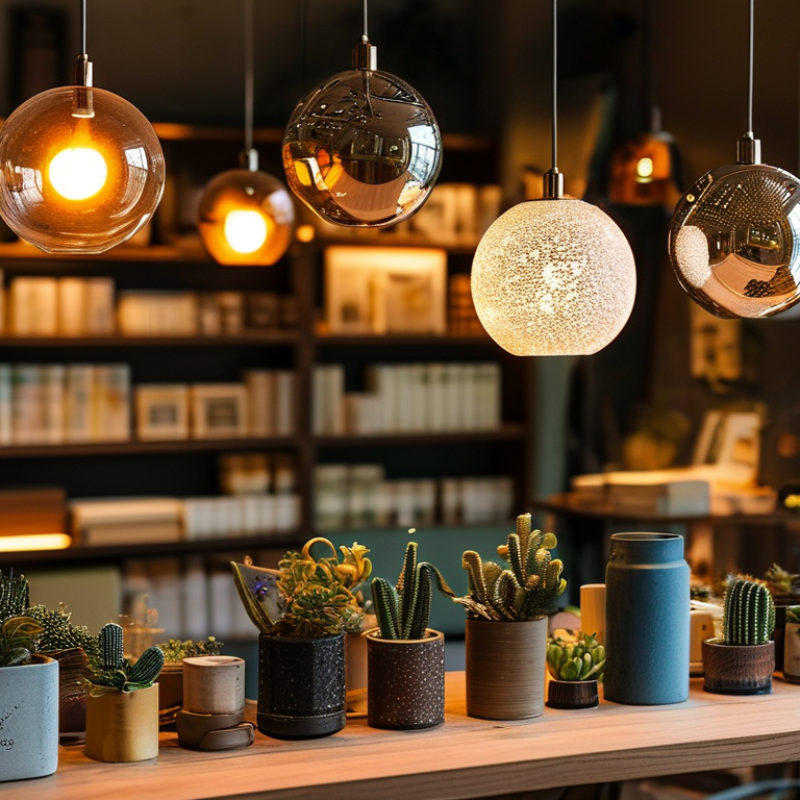
Understanding Different Types of LED Lights and Their Applications
LED lights have gained significant attention in various applications due to their energy efficiency and versatility. There are several types of LED lights. Each serves a specific purpose. For example, general lighting LEDs are suitable for homes and offices. They provide brightness with minimal energy consumption. According to a report by the U.S. Department of Energy, LED lighting can save up to 75% more energy than incandescent bulbs. This detail highlights the potential cost savings for consumers.
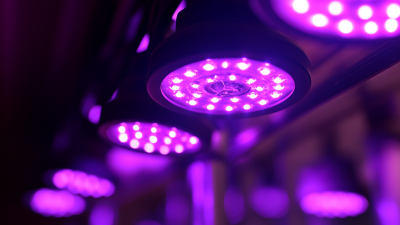
In the realm of specialized lighting, options like horticultural LEDs excel in plant growth. These lights emit specific wavelengths beneficial for photosynthesis. Another popular choice is the LED flood light. These are used for security and outdoor applications. A study from the Lighting Research Center found that LED flood lights offer higher lumen output compared to traditional sources. However, quality control issues can arise. Not all LED products guarantee consistent performance. This inconsistency can leave consumers confused when selecting the right lighting solutions for their needs.
Consider the color temperature too. Warmer tones create a cozy atmosphere, while cooler tones enhance productivity. Realizing that personal preferences play a crucial role is essential. Inadequate research may lead to dissatisfaction. Understanding the unique features and limitations of different LEDs will ensure a more satisfying lighting experience.
Evaluating Brightness: Lumens vs. Watts for Your Lighting Needs
When choosing LED lights, understanding brightness is crucial. Many people confuse lumens and watts. Watts measure energy consumption, while lumens gauge light output. This distinction is essential for your lighting needs.
For instance, a 10-watt LED bulb might emit 800 lumens. This brightness level is suitable for general lighting in homes. Meanwhile, a higher wattage doesn't necessarily mean brighter light. Relying on watts alone could lead to choosing inefficient bulbs.
Consider your space when evaluating brightness. For cozy areas like reading nooks, lower lumens provide comfort. In contrast, bright areas like kitchens benefit from higher lumens. Reflecting on your personal preferences is vital. Aimed for efficient lighting that suits your lifestyle, while still being conscious of energy usage.
Color Temperature: Choosing the Right Hue for Various Spaces
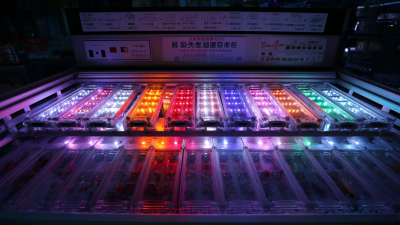
Choosing the right color temperature for LED lights can transform your space. Color temperature is measured in Kelvin. Lower temperatures (2700K-3000K) produce a warm glow, perfect for cozy living rooms. These hues create an inviting atmosphere, encouraging relaxation and socialization.
Brighter, cooler temperatures (4000K-5000K) are suitable for kitchens and workspaces. These lights mimic daylight, improving focus and productivity. But too much blue light can strain eyes. It's essential to balance functionality with comfort.
Many overlook the importance of color temperature in specific spaces. For instance, a bedroom requires softer lighting for restful sleep. Evaluate how each room makes you feel. Test different temperatures; what works for one may not for another. Finding the perfect hue may take time. Embrace the trial and error process.
Energy Efficiency Ratings: How to Assess LED Lighting Performance
When assessing LED lighting performance, energy efficiency ratings are crucial. Look for the lumen output versus wattage. This gives insight into the light produced per watt consumed. A higher lumen output with lower wattage indicates better efficiency. Often, these ratings are depicted using the Energy Star label, guiding consumers toward efficient options.
Tips: Consider the Color Rendering Index (CRI). A higher CRI means colors appear more natural under the light. Aim for CRI values above 80 for residential use. This will enhance the ambiance in your space and ensure accurate color perception.
Also, investigate the lifespan of the LED lights you choose. Quality LEDs can last up to 25,000 hours or more. However, some lower-quality options may fail sooner. Researching product reviews can highlight these discrepancies.
Evaluate the beam angle, too. This affects how light is distributed in your room. A wider angle suits open areas while a narrow beam is ideal for spotlighting. Choose wisely to create the atmosphere you desire, as lighting can transform a room's feel significantly.
Design Considerations: Aesthetic and Functional Aspects of LED Fixtures
When selecting LED fixtures, both aesthetic and functional aspects are vital. A well-designed lighting system can enhance the ambiance and usability of a space. According to the U.S. Department of Energy, LED lighting can use up to 75% less energy than traditional lighting, making it a sustainable choice. However, energy efficiency alone doesn’t dictate the right design.
Aesthetic considerations include shape, color temperature, and placement. The right color temperature can influence mood and productivity. For instance, a warmer light around 2700K creates a cozy atmosphere, perfect for homes. In contrast, cooler temperatures above 4000K are better suited for work environments, as they boost alertness. Moreover, the design should complement the architectural style of the space. A sleek, minimalist fixture may suit modern interiors, while vintage styles might flourish in more traditional settings.
Functionality also plays an essential role. The fixture's brightness and beam angle should align with its purpose. Overly bright lights can cause glare, while dim ones might not offer adequate illumination. A study by the Lighting Research Center indicates that improper lighting can lead to decreased productivity and increased eye strain. Careful consideration of these factors ensures that LED fixtures meet both aesthetic desires and functional requirements, creating a well-rounded lighting solution.
 Skip to content