How to Choose the Best Intelligent Pole in 2026
In 2026, choosing an Intelligent Pole means matching technology to a real site, not simply selecting the longest feature list. A busy transit stop may need reliable lighting, emergency communication, and clear maintenance access. A quiet campus path may benefit more from efficient controls and well-planned connectivity. Start with the intended use, then check the basics: pole height, structural capacity, power supply, weather protection, and installation requirements. Small details matter. A poorly placed service panel can make routine repairs slower and more expensive.
Review each proposed system’s lighting performance, sensor options, communications, and compatibility with equipment already in use. Ask vendors for documented specifications, test results, warranty terms, software support periods, and examples from comparable installations. Claims about energy savings or network coverage should be supported by assumptions you can verify. Check how updates, access permissions, and data handling are managed, especially when cameras or other sensors are included. More features are not always better. Some may add cost without solving a local problem.
Plan beyond installation day. Compare expected maintenance, replacement parts, staff training, and total ownership costs over the pole’s service life. A small pilot can reveal weak wireless coverage, glare on nearby windows, or controls that are awkward to use. It can also expose gaps in the original plan. That is useful, not embarrassing. The best choice is the one that performs reliably in its actual setting, meets clearly defined needs, and remains practical to maintain as technology changes.
Understanding Intelligent Poles and Their Core Functions
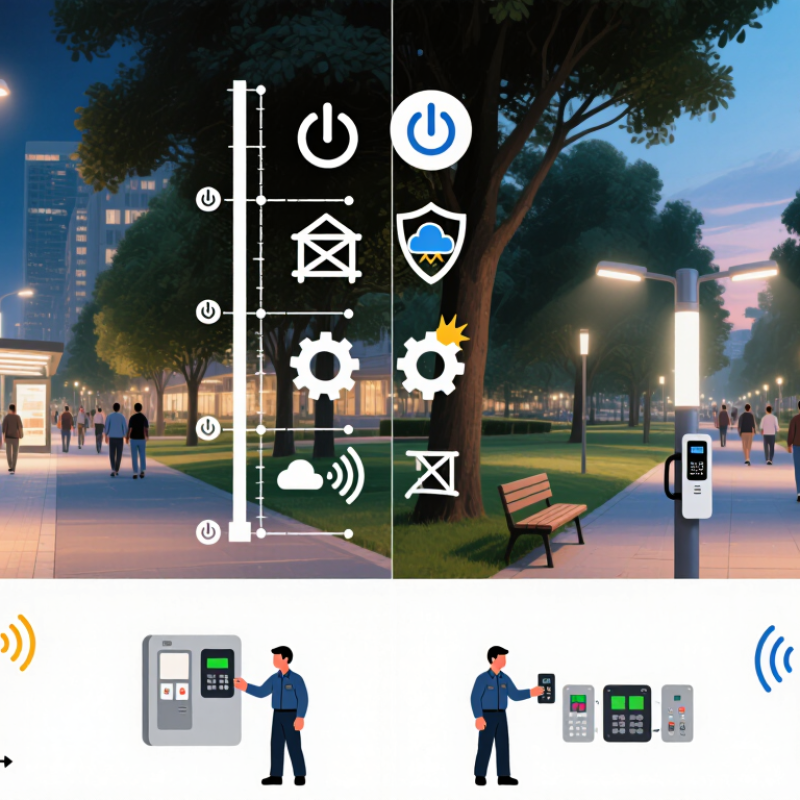
An intelligent pole is more than a streetlight with extra equipment. It combines a lighting column with selected devices, such as air-quality sensors, traffic counters, wireless access points, or emergency call units. The exact mix varies by location. A quiet residential road may need reliable lighting and basic environmental readings, while a busy junction may benefit from traffic monitoring and clearer maintenance alerts.
Start by identifying the problem the pole should solve. Then check its core functions: light output and dimming, sensor accuracy, network connectivity, power supply, and remote fault reporting. Ask how readings are stored, who can access them, and how long components are expected to last outdoors. Rain, dust, vibration, and summer heat can expose weaknesses that a showroom test will miss. Small details matter.
Compatibility is easy to overlook. A pole that cannot connect to existing management systems may create extra work for maintenance teams. Check mounting space, cable access, data formats, and replacement procedures before specifying equipment. Keep the design practical. More features can mean more points of failure, and a sensor may produce data nobody uses. That is a real risk. I would leave room for future upgrades, but not treat every available function as essential. A clear maintenance plan is often less exciting than a new sensor, yet it can make the system more dependable.
Defining Site Requirements and Deployment Objectives
Choosing an intelligent pole in 2026 starts with the site, not the feature list. Walk the proposed locations at different times of day. Note shadow patterns, vehicle glare, foot traffic, nearby trees, and access for maintenance crews. A pole beside a busy crossing may need clear lighting and useful camera angles, while a park path may prioritize even illumination and environmental sensors. Define the job each device must do. Avoid adding equipment just because it is available.
Tips: Mark power and network access on a site plan. Check whether existing infrastructure can support the planned load. Photograph obstructions from ground level, then review sightlines at the intended mounting height. Small details matter.
Set deployment objectives you can verify, such as lighting coverage, uptime, or reduced inspection visits. Confirm how data will be transmitted, who will review it, and how faults will be reported. Ask suppliers for environmental ratings and maintenance requirements, then compare them with local weather and service access. A wet-season visit can reveal drainage or wind exposure that a dry-day survey misses. I have seen early plans look convincing on paper and still overlook a blocked service route. Recheck assumptions before ordering.
Comparing Connectivity, Sensors, Power, and Platform Compatibility
How to Choose the Best Intelligent Pole in 2026
When comparing intelligent poles in 2026, judge connectivity at the actual installation site, not from a coverage map alone. A pole beside a concrete station wall may lose signal where an open-road test succeeds. Check supported network options, backup links, latency, and how gracefully the system behaves during an outage. Sensors should match the job: traffic counts, air-quality readings, lighting control, or public-space monitoring. Ask how often each sensor needs calibration and whether its data can be checked against a known reference. More sensors do not automatically mean better decisions.
Power is equally practical. Estimate the combined load of radios, cameras, sensors, and lights, then allow headroom for seasonal demand and future additions. Review battery or solar support against local shade, weather, and maintenance access. One overlooked cable or service hatch can turn a tidy specification into a costly field visit. Platform compatibility matters too: confirm data formats, secure interfaces, user permissions, and export options before installation. A polished dashboard is useful, but not if teams cannot move or audit their own data. I would still leave room for uncertainty; specifications rarely capture every street condition.
Tips: Test a sample pole at the intended site for several days. Record signal strength, power use, sensor consistency, and restart behavior. Keep the trial small. Include the people who will maintain it, not only those who approve it.
Evaluating Safety, Standards, Durability, and Total Cost
An intelligent pole is both a structure and an electrical system. Check wind and ice-load calculations, foundation design, grounding, and safe access to equipment doors. Ask for test records, not just a product sheet. AASHTO’s LRFD specifications for structural supports provide a useful reference for assessing poles exposed to traffic, wind, and repeated vibration. Verify that luminaires and electrical components meet applicable local requirements and relevant standards, such as IEC 60598-2-3 for road and street lighting. Small details matter. A poorly sealed cable entry can invite water, corrosion, and expensive repairs.
Durability should be judged against the actual site: coastal salt, freeze-thaw cycles, heat, and cleaning chemicals all affect service life. The U.S. Department of Energy’s 2013 demonstration assessment of LED street lighting reported energy savings of roughly 50% or more in evaluated installations, though results vary with existing lamps and operating controls. Treat that as a benchmark, not a guaranteed return. Compare total cost over the planned service period, including foundations, installation, networking, software, inspections, replacement parts, and energy. Request a clear warranty and a realistic maintenance schedule. One weak point: buyers sometimes underestimate software and connectivity costs. Those costs can change. Make vendors disclose recurring fees and assumptions, then test the numbers against local energy prices and labor rates.
 Skip to content
