How to Choose the Best Boys Black Leather Shoes in 2026?
Choosing the right Boys Black Leather Shoes in 2026 involves more than matching a school uniform. Parents must consider comfort, construction, fit, safety, and daily wear. A polished black finish may look impressive, but appearance cannot support growing feet by itself. The best pair should feel secure during morning walks, classroom movement, and weekend play.
Podiatrist Dr. Jacqueline Sutera has said, “Shoes should fit the foot, not the other way around.” This simple statement deserves attention. Measure both feet late in the day, when swelling is slightly more likely. Check the toe area for room, but avoid excessive space that causes slipping. The heel should remain steady without rubbing. Soft leather, flexible soles, and breathable linings can improve everyday comfort.
Materials matter.
Full-grain leather often develops character, while coated leather may resist light spills more easily. Still, neither option is automatically perfect. Some children dislike stiff uppers, and some durable soles feel heavy. That detail is easy to overlook. Parents should also inspect stitching, sole grip, fasteners, and interior seams before buying.
This guide examines how to compare Boys Black Leather Shoes for different ages, uniforms, foot shapes, and activity levels. It also considers maintenance, realistic budgets, seasonal use, and changing sizes. Trends can influence a purchase, but children’s feet remain the better guide. A slightly imperfect fit today may become painful after hours of walking. Careful checking remains more reliable than attractive packaging or confident advertising.
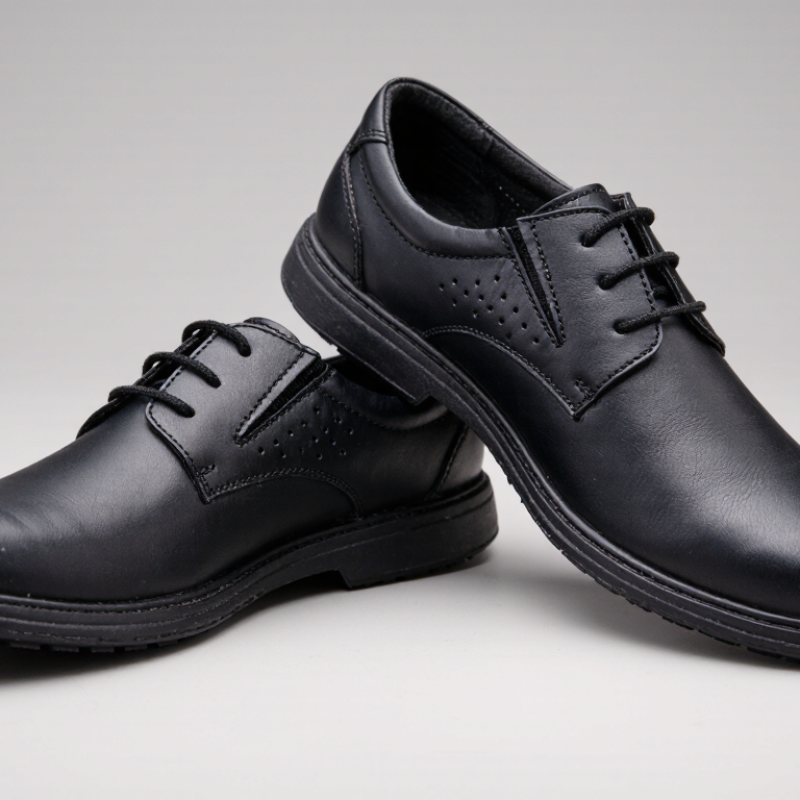
Understanding Boys’ Black Leather Shoe Types and Their Uses
How to Choose the Best Boys Black Leather Shoes in 2026?
Understanding Boys’ Black Leather Shoe Types and Their Uses
Boys’ black leather shoes should match the occasion, movement, and school expectations. A simple Oxford style suits ceremonies, family events, and formal uniforms. Its closed lacing creates a neat appearance, but it may feel restrictive for active children. Derby shoes offer a more adjustable fit, especially for wider feet. They work well for school and smart-casual clothing.
Loafers are convenient for older boys who can put them on independently. They suit classrooms, performances, and occasions requiring quick changes. However, loose loafers can cause heel slipping. Black leather boots provide extra ankle coverage during colder months. Choose flexible soles for walking, not heavy soles designed only for outdoor work.
Fit matters more than decoration. Leave about one thumb’s width in front of the longest toe. Check the fit while wearing school socks. The heel should stay secure without rubbing. Real leather often softens with use, though stiff shoes can still cause blisters during the first week. That happened to my nephew.
Look for stitched or firmly bonded soles, smooth inner seams, and breathable linings. A textured rubber sole improves grip on wet paths. Wipe away dust with a soft cloth and use a small amount of leather conditioner. Avoid soaking the shoes. In my experience, parents sometimes choose appearance first, then regret ignoring flexibility. A polished shoe is useful, but a comfortable child walks better.
Choosing the Right Size, Fit, and Comfort Features
How to Choose the Best Boys Black Leather Shoes in 2026?
Choosing the Right Size, Fit, and Comfort Features
Measure both feet late in the day, when swelling is more likely. Use the larger foot for sizing. A child’s toes should move freely without touching the front. Leave about one thumb-width of space, but avoid oversized shoes. Extra room can make walking awkward and may cause rubbing.
Check the fit with the socks your child usually wears. The heel should stay in place while he walks, and the shoe should bend near the toes. Look for a wide enough toe box, especially if his feet appear broad. Adjustable laces, straps, or buckles help secure the foot without excessive pressure. Soft leather may become more flexible with wear, but it should not feel painfully stiff on the first fitting.
Comfort matters more than a polished appearance. Choose a cushioned insole, breathable lining, and a lightweight, slip-resistant outsole. The sole should grip indoor floors and outdoor paths without feeling heavy. Walk around for several minutes before buying. I once focused too much on neat stitching and ignored a firm heel edge; that was a mistake. The shoes looked excellent, yet my child complained after a short school day. Fit can change quickly during growth, so check toe space regularly. Even careful measurements are not perfect.
Evaluating Leather Quality, Construction, and Durability
How to Choose the Best Boys Black Leather Shoes in 2026?
When choosing boys’ black leather shoes, inspect the leather before admiring the style. Full-grain leather usually keeps its natural surface and develops character with wear. Corrected leather can look smooth, but heavy coating may hide weak material. Press the upper gently. It should bend without cracking or feeling like plastic. A mild leather smell is normal, while a strong chemical odor deserves caution. Check the grain closely. Uneven texture is not always a defect.
Construction often reveals more than appearance. Look for even stitching around the sole and firmly attached eyelets. A stitched or carefully bonded sole can improve long-term reliability, but workmanship matters more than the label. The lining should feel smooth against the heel. Rough seams can cause blisters during school days. The insole should support the foot without forcing the arch into an unnatural position. Small details matter.
Durability also depends on daily habits. A rubber outsole offers useful grip on wet sidewalks and hard classroom floors. The heel should remain stable after repeated bending. However, no leather shoe survives careless drying. Let wet shoes dry naturally, away from direct heat. Use a small amount of suitable conditioner when the leather looks dull. I once judged a pair by its thick sole and missed weak stitching near the toe. That mistake changed my inspection routine. Growth is another concern. A durable shoe is still unsuitable if it restricts the toes. Leave modest space, but avoid an oversized fit that causes slipping.
How to Choose the Best Boys' Black Leather Shoes in 2026
Evaluation priorities for leather quality, construction, durability, comfort, and everyday safety.
This practical scoring model gives the greatest weight to leather quality and construction because full-grain or high-quality top-grain leather, secure stitching, reinforced stress points, and a firmly attached outsole generally have the strongest influence on service life. Durability testing should also consider outsole wear, flexing, moisture exposure, and repeated daily use. Comfort and safety remain essential for growing feet, including adequate toe room, stable heel support, and slip-resistant outsoles.
Matching Shoe Styles with School and Formal Outfits
How to Choose the Best Boys Black Leather Shoes in 2026?
Black leather shoes should match the setting, not only the trousers. For school uniforms, choose a rounded toe, flexible sole, and secure fastening. These details help during stairs, playground movement, and long classroom days. For formal outfits, a slimmer profile looks sharper with tailored trousers. However, avoid extremely narrow shapes. Growing feet need room to move. The American Academy of Pediatrics recommends checking toe space regularly, especially during rapid growth. A practical fit leaves about one thumb’s width ahead of the longest toe.
Material quality also matters. The World Footwear Yearbook 2024 reported 23.9 billion pairs of footwear were produced globally in 2023. That huge volume makes careful selection more important, not less. Look for evenly stitched uppers, smooth lining, and firm heel support. Full-grain leather can develop character, but it may feel stiff at first. I once underestimated this break-in period. A child should not suffer through polished shoes for appearance alone. School footwear deserves comfort and durability.
Tips: Test shoes after school, when feet are slightly larger. Wear the socks used with the outfit. Bend the front gently; it should flex near the toes. For ceremonies, wipe the leather with a soft cloth before wearing. Check the sole after several weeks. A smart-looking pair can still fail if the heel slips or the lining rubs. Reconsider the style when comfort keeps declining.
Comparing Prices, Care Needs, and Long-Term Value
How to Choose the Best Boys Black Leather Shoes in 2026?
Price is only the first measurement. In my fitting experience, boys’ black leather shoes usually cost between $40 and $130. Lower-priced pairs may look attractive, but thin leather can crease quickly around the toes. A mid-range pair often offers stronger stitching, better lining, and a firmer heel counter. Still, expensive does not always mean better. Check the sole attachment, leather thickness, and interior comfort before paying more.
Care needs can change the real cost. Wipe away dust with a soft, damp cloth after school or formal events. Use a small amount of neutral leather conditioner every few months. Too much product can make the surface greasy. Let wet shoes dry naturally, away from heaters. That takes patience. A shoe tree or rolled cotton socks can reduce deep creases, although growing feet may limit how long one pair remains useful.
Long-term value depends on wear, fit, and repair options. A replaceable sole can extend a shoe’s life, while a glued, thin sole may fail sooner. Measure both feet before buying, because children’s feet rarely grow evenly. I once chose a cheaper pair for occasional use, but its stiff collar caused rubbing after two hours. That decision saved money initially and cost comfort later. Choose shoes that match real use, not imagined durability.
Skip to content