How to Choose the Right Home and Lighting Solutions?
Choosing the right home and lighting solutions is crucial for enhancing living spaces. According to recent data from the American Lighting Association, 83% of homeowners believe proper lighting significantly improves their home’s ambiance. This highlights the importance of thoughtful selections in both home design and lighting strategies.
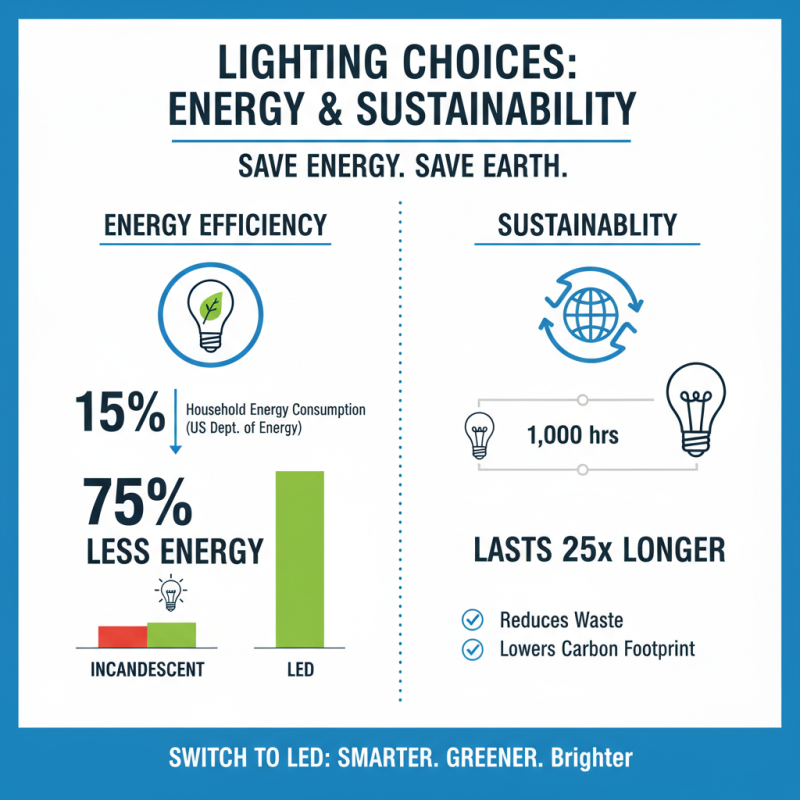
When considering home and lighting, one must weigh various factors. Energy efficiency is key. The U.S. Department of Energy states that lighting can account for up to 15% of your electricity bill. Using LED options can drastically reduce this cost, yet many homeowners remain unaware of these savings.
Creating the desired atmosphere requires more than just functional lighting. Layering different types of lighting, including ambient, task, and accent, can transform spaces. Yet, many struggle to implement these concepts effectively. Understanding the nuances of home and lighting choices can lead to more satisfying outcomes, making it essential to reflect on personal needs and preferences.
Understanding Your Home's Architectural Style and Layout
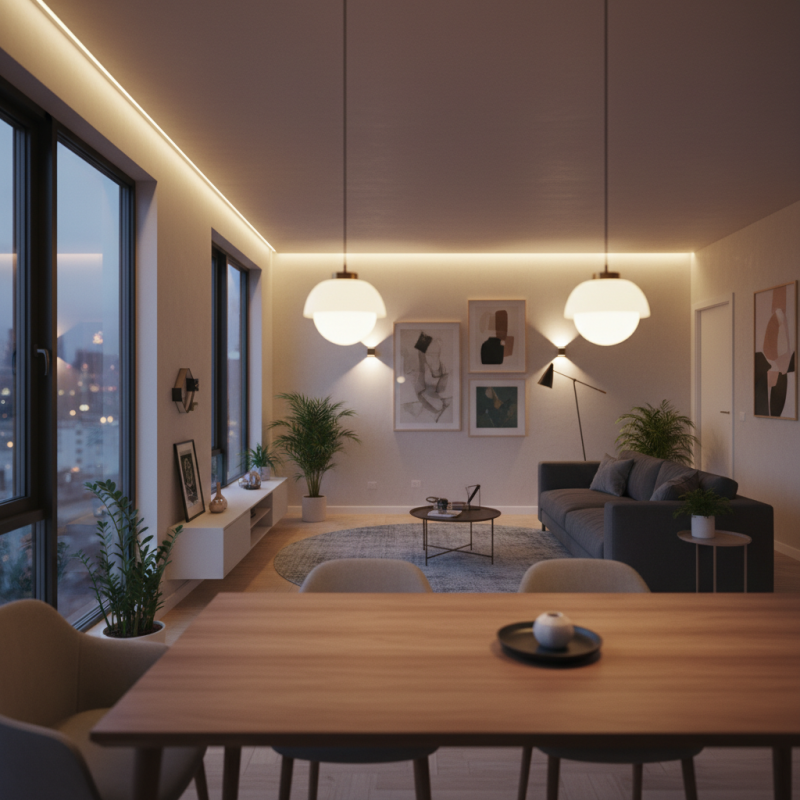
Understanding your home's architectural style and layout is crucial when selecting the right lighting solutions. Each style, whether modern, traditional, or eclectic, has unique characteristics that impact the way light interacts with space. For example, high ceilings in a modern home can benefit from pendant lights, while cozy nooks in traditional homes might call for softer, ambient lighting. According to a study by the American Lighting Association, over 90% of homeowners prioritize lighting that complements their space.
When assessing your layout, consider both functionality and aesthetics. Open-concept designs may require layered lighting to create inviting zones. In contrast, closed layouts often benefit from strategic task lighting to highlight specific areas. Remember, balance is essential. For instance, avoid overly bright spots that can create harsh contrasts.
Tip: Choose fixtures that echo your architectural style. This enhances cohesion and visual appeal.
Another key point is to take note of natural light sources. Rooms with ample sunlight may need less artificial illumination. However, in dimmer areas, consider fixtures that offer adjustable brightness. As noted in recent interior design surveys, lighting preferences directly affect the ambiance and mood of a space.
Tip: Always test lighting in the intended environment. This helps ensure it meets your needs and enhances the overall vibe.
Identifying Your Lighting Needs for Different Spaces
Choosing the right lighting solutions starts with understanding your specific needs for different spaces. For example, a cozy reading nook may benefit from warm, ambient lighting, while a kitchen requires bright, functional light. According to the American Society of Interior Designers, 61% of people believe that good lighting can enhance their mood. This insight emphasizes the importance of tailoring lighting to suit each area of your home.
Consider the purpose of each room. Living spaces often need versatile lighting that can be adjusted for various activities. A study by the International Association of Lighting Designers indicates that only 30% of homeowners invest in lighting design tailored to their needs. Many rely on standard fixtures, leading to underwhelming results. For workspaces, ensure task lighting is focused and free from shadows, which can cause eye strain over time.
Don't overlook the role of natural light. Maximizing daylight can reduce energy costs and improve overall well-being. A study from the National Lighting Bureau points out that daylighting can enhance productivity by 10-15% in office environments. However, blending artificial and natural light can be tricky. It's essential to assess how different colors and intensities perform throughout the day. Balancing these elements might be a challenge, but it's crucial for achieving a well-lit home.
How to Choose the Right Home and Lighting Solutions? - Identifying Your Lighting Needs for Different Spaces
| Space Type |
Lighting Needs |
Recommended Light Type |
Optimal Brightness (Lumens) |
| Living Room |
Ambient and task lighting for relaxation and reading |
LED Ceiling Fixtures, Floor Lamps |
1000 - 2500 |
| Kitchen |
Bright task lighting for food preparation |
Recessed Lights, Pendant Lights |
3000 - 5000 |
| Bedroom |
Soft, warm lighting for relaxation and sleep |
Table Lamps, Wall Sconces |
500 - 1500 |
| Bathroom |
Bright, even lighting for grooming tasks |
Vanity Lights, Recessed Lighting |
2000 - 3000 |
| Home Office |
Focused lighting for productivity and reducing eye strain |
Desk Lamps, Overhead Lights |
1000 - 2000 |
Exploring Various Types of Lighting Solutions
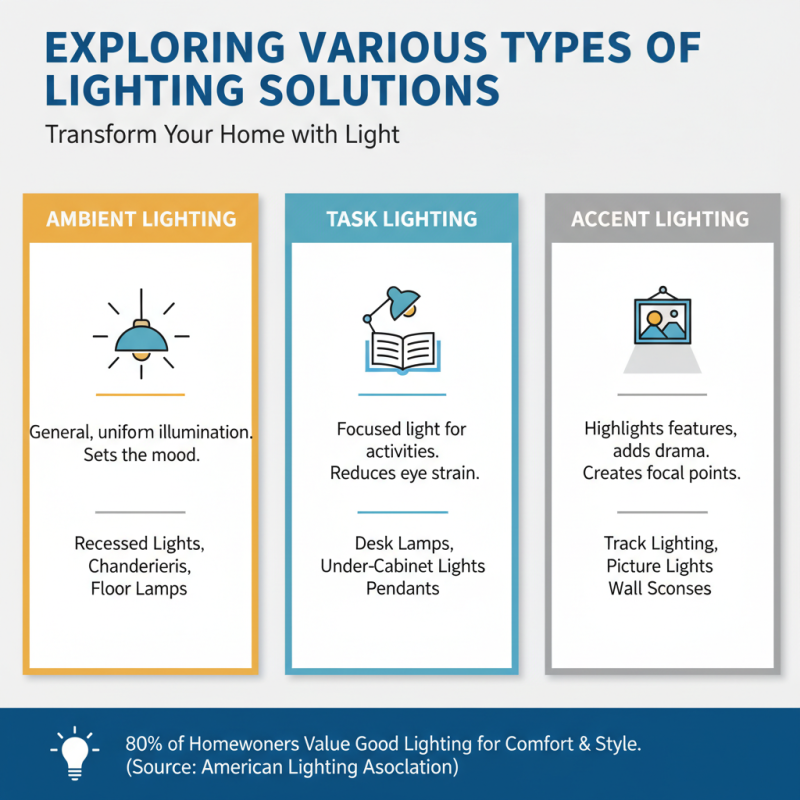
Lighting plays a crucial role in home design. It affects mood, space, and functionality. Different types of lighting solutions can transform a room. The key is choosing the right one for your needs. According to a report by the American Lighting Association, nearly 80% of homeowners value good lighting for comfort and style.
When exploring various types of lighting solutions, consider ambient, task, and accent lighting. Ambient lighting provides overall illumination, while task lighting focuses on specific areas, like a desk. Accent lighting highlights architectural features or artwork. Understanding these categories helps in creating balanced lighting.
**Tip:** Use dimmable lights. They offer flexibility in different situations. This allows you to create the perfect atmosphere for every occasion.
Energy-efficient lighting options, like LEDs, are gaining popularity. They use 75% less energy than traditional bulbs, according to the U.S. Department of Energy. However, they may have different color temperatures, which can affect how colors appear in your home. It's essential to test before making final decisions.
**Tip:** Take time to experiment with light placement. Small adjustments can make a big difference in how a room feels. Stay aware of how each light interacts with your space.
Matching Lighting Solutions with Interior Design
Lighting significantly impacts interior design. It defines the mood and function of a space. Choosing the right lighting can enhance even the most stunning decor. Think about the purpose of each room.
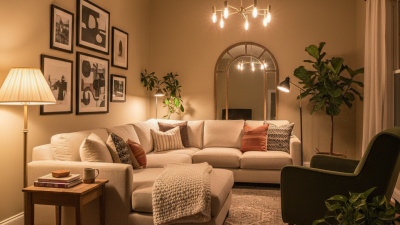
Bright lights may be effective in a kitchen, while soft, warm lighting is ideal for a bedroom. Layered lighting with ambient, task, and accent types creates balance and depth.
Consider the color scheme and style of your interior. Warm-toned lights work well with earthy colors, while cooler lights complement modern designs. Use fixtures that echo your style. A vintage lamp can enhance a rustic room, while sleek sconces may fit better in a minimalist space.
Look out for shadows and glare. These issues can disrupt the ambiance you want to create.
Experiment with different arrangements and intensities. It may take time to find the perfect combination. Don't hesitate to ask for opinions from friends or professionals.
Feedback can reveal insights you might miss. Lighting is not just a functional element; it’s an art form. Embrace creativity and make adjustments until it feels right.
The journey to perfect lighting can be a learning experience.
Assessing Energy Efficiency and Sustainability in Lighting Choices
Lighting choices significantly impact energy efficiency and sustainability in homes. According to the U.S. Department of Energy, lighting accounts for about 15% of a household’s energy consumption. Opting for energy-efficient lighting can drastically reduce this percentage. LED lights use at least 75% less energy than incandescent bulbs and last 25 times longer. This switch enhances energy savings and minimizes waste, addressing both economic and environmental concerns.
**Tips:** Consider installing dimmer switches. They help control energy use and create ambiance. Also, utilize natural light whenever possible. This reduces the need for artificial lighting during the day, cutting down energy costs.
While the benefits of efficient lighting are clear, challenges remain. Many consumers still choose traditional bulbs due to familiarity. Additionally, the upfront cost of LED fixtures can be daunting, despite long-term savings. It’s essential to weigh these factors against potential energy bills. Homeowners should evaluate their usage patterns and lighting needs before making decisions.
**Tips:** Conduct a simple audit of your lighting. Identify which areas require upgrade investments versus which can remain unchanged. Stay informed about rebates or incentives for energy-efficient upgrades provided by local authorities or utility companies.
 Skip to content