How to Choose Conveyor Belt Rollers for Maximum Efficiency?
Choosing the right conveyor belt rollers is crucial for efficiency in any material handling system. Conveyor belt rollers play a vital role in reducing friction and ensuring smooth operation. When selecting rollers, consider factors such as load capacity, speed, and material compatibility.
Quality and durability matter. Rollers made from high-grade materials can withstand wear and tear. However, not every roller type suits all applications. The wrong choice can lead to breakdowns and increased maintenance costs. Analyze the specific needs of your operation before making a decision.
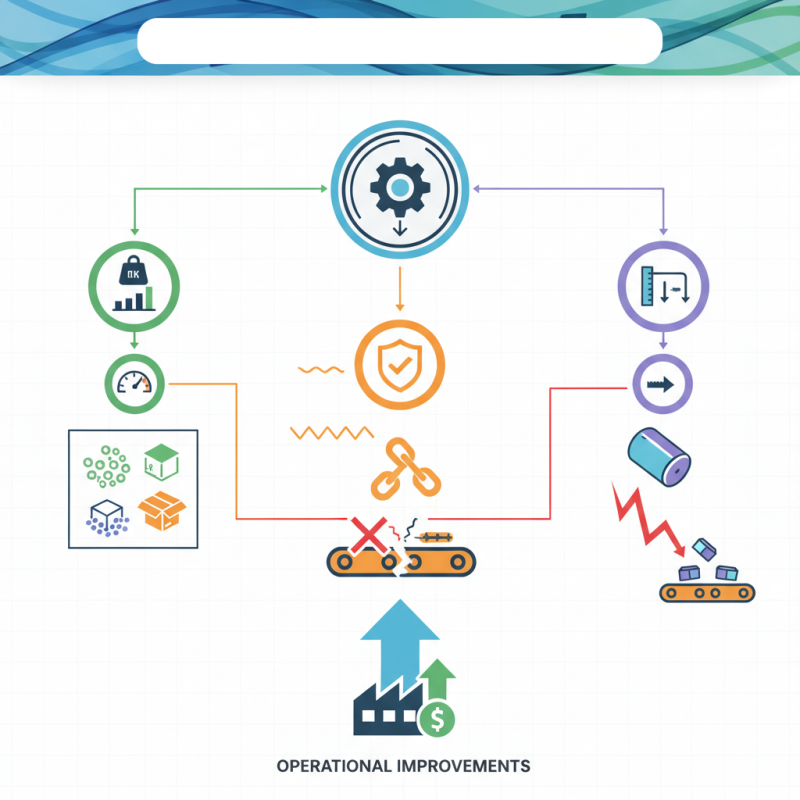
It’s easy to overlook the impact of roller size and alignment on performance. A misaligned roller can derail a conveyor system, causing delays. Investing time in understanding these elements is essential for maximizing efficiency. Ultimately, the right conveyor belt rollers can lead to significant operational improvements.
Understanding Conveyor Belt Rollers and Their Role in Efficiency
Conveyor belt rollers are crucial for the efficiency of any material handling system. They support the weight of the load while allowing smooth motion. Understanding their design and functionality can significantly impact operational performance. According to a report by the Conveyor Equipment Manufacturers Association, improperly selected rollers can reduce system efficiency by up to 20%. This emphasizes the importance of choosing the right rollers based on specific application needs.
Consider the workload and environmental conditions. Heavy loads require robust steel rollers, while light materials may benefit from lighter plastic options. Not all applications will fit into a one-size-fits-all solution. Factors like temperature, humidity, and exposure to chemicals can affect roller material choice. Sometimes, overlooked details, like roller surface texture, can also influence friction levels, which directly impacts energy consumption.
**Tip:** Regularly inspect rollers for wear and tear to maintain efficiency levels. A worn roller can lead to increased energy costs and delays in production. Additionally, don’t ignore the importance of aligning rollers properly. Misalignment can cause excessive wear and tear, costing more in replacement parts. As you make selections, keep in mind that the smallest changes can lead to significant efficiency improvements—or issues.
How to Choose Conveyor Belt Rollers for Maximum Efficiency?
| Roller Type | Diameter (mm) | Length (mm) | Material | Load Capacity (kg) | Efficiency Rating |
| Standard Steel Roller | 108 | 1000 | Steel | 800 | High |
| Plastic Roller | 76 | 600 | Plastic | 400 | Medium |
| Heavy Duty Roller | 133 | 1200 | Steel | 1200 | Very High |
| Rubber Coated Roller | 100 | 800 | Steel/Rubber | 600 | High |
| Impact Roller | 114 | 1000 | Steel | 1000 | Very High |
Factors to Consider When Selecting Conveyor Belt Rollers
Selecting the right conveyor belt rollers is essential for optimizing operational efficiency. Various factors play a critical role in this process. One key consideration is the load capacity. According to industry reports, overloaded rollers can lead to increased wear and tear. This not only reduces lifespan but can also lead to costly downtimes.
Another factor is the material composition of the rollers. Different applications require various materials. For example, steel rollers are known for their strength, while plastic rollers offer corrosion resistance. Choosing the appropriate material can enhance overall system performance. Industry studies show that selecting the right material can improve roller durability by up to 30%.
Additionally, the alignment and spacing of rollers can significantly affect system efficiency. Misaligned rollers cause friction, resulting in energy loss. Regular checks are necessary to ensure optimal configuration. Some operations still overlook this critical aspect. Creating awareness about proper alignment can lead to significant long-term benefits. Focusing on these factors creates a pathway to greater efficiency in conveyor systems.
Efficiency Factors in Choosing Conveyor Belt Rollers
The chart above illustrates the key factors affecting the efficiency of conveyor belt rollers. Each factor's contribution to overall efficiency is represented as a percentage, indicating their relative importance in the selection process.
Types of Conveyor Belt Rollers and Their Applications
When selecting conveyor belt rollers, it's essential to consider various types and their specific applications. For example, steel rollers are commonly used in heavy-duty environments, offering strength and durability. They withstand extreme weights and harsh conditions. Meanwhile, plastic rollers are lightweight, suitable for lighter loads. They help reduce noise levels during operation.
Roller design impacts efficiency. Adjustable rollers allow for precise tension control. This can help in optimizing the conveyor system’s performance over time. However, using the wrong roller for a specific load can lead to premature wear. Regular maintenance is key for maximizing the lifespan of your rollers.
Tips for choosing the right rollers include evaluating the load capacity and material compatibility. Don't forget about the environment. Humidity and temperature can affect performance. Lastly, always consult with experts if uncertain. Their insights can help prevent costly mistakes and improve system efficiency.
Maintenance Practices for Conveyor Belt Rollers to Ensure Longevity
Regular maintenance of conveyor belt rollers is crucial for their longevity. Cleanliness plays a vital role. Dust and debris can accumulate and lead to wear. Regular inspections help identify any misalignment. Misaligned rollers cause uneven wear on belts. This could reduce efficiency over time. Keeping an eye on the rollers can prevent these issues.
Lubrication is another key practice. Proper lubrication reduces friction and wear. However, over-lubrication can lead to grease buildup, which can attract more dirt. Finding the right balance is essential. Operators should also check for any unusual noises during operation. These can be early signs of problems that need addressing.
Monitoring roller condition is ongoing. Some operators might neglect this aspect. This often results in costly downtime. Scheduling regular checks avoids such pitfalls. Keeping records of maintenance helps track performance over time. This practice ensures that your rollers last longer and operate efficiently.
Common Mistakes to Avoid When Choosing Conveyor Belt Rollers
When selecting conveyor belt rollers, common mistakes often lead to inefficiencies. One major error is ignoring the load capacity of rollers. According to industry reports, choosing rollers with inadequate load ratings can result in premature failure, costing businesses thousands in replacements and downtime. It’s crucial to match the roller capacity with both the weight of the materials and the speed of the belt. Skimping on this can create bottlenecks and disrupt production flow.
Another pitfall is overlooking the roller material. Many operations default to standard steel rollers, but this may not be optimal for all environments. For instance, using plastic rollers can reduce noise and improve surface wear. The Conveyor Equipment Manufacturers Association highlights that choosing the wrong material can reduce efficiency by up to 30%. Operators should evaluate the environment—consider factors like moisture, temperature, and chemical exposure.
Focusing solely on price is also a mistake. Selecting low-cost options can seem appealing, but these often lack durability and efficiency. A study by an industry expert revealed that investing in quality components often leads to savings in the long run. Regular maintenance can be overlooked, too. Proper upkeep is vital. Neglecting this step can lead to bigger issues later, like increased friction and eventual roller failure.
 Skip to content