How to Choose the Best Spc Plank Flooring for Your Home?
Choosing the right flooring can transform your home. Among the options available, SPC plank flooring has gained immense popularity. A recent industry report indicates that the global market for SPC flooring is projected to reach $6.5 billion by 2026, growing at a CAGR of 7.5%. This growth indicates a clear trend toward durable and stylish flooring solutions.
Spc plank flooring offers unique advantages. It's waterproof, making it ideal for kitchens and bathrooms. The rigid core provides stability and resilience, appealing to homeowners looking for longevity. However, not all SPC products are created equal. Some brands may compromise on quality, leading to issues with wear and tear over time. Researching different specifications, such as thickness and wear layer, is essential for making an informed decision.
Ultimately, investing in the best SPC plank flooring involves careful consideration. While the options are numerous, understanding your specific needs can guide you. This responsibility lies in recognizing both your aesthetic preferences and practical requirements. A thoughtful selection process can lead to a stunning and functional living space.
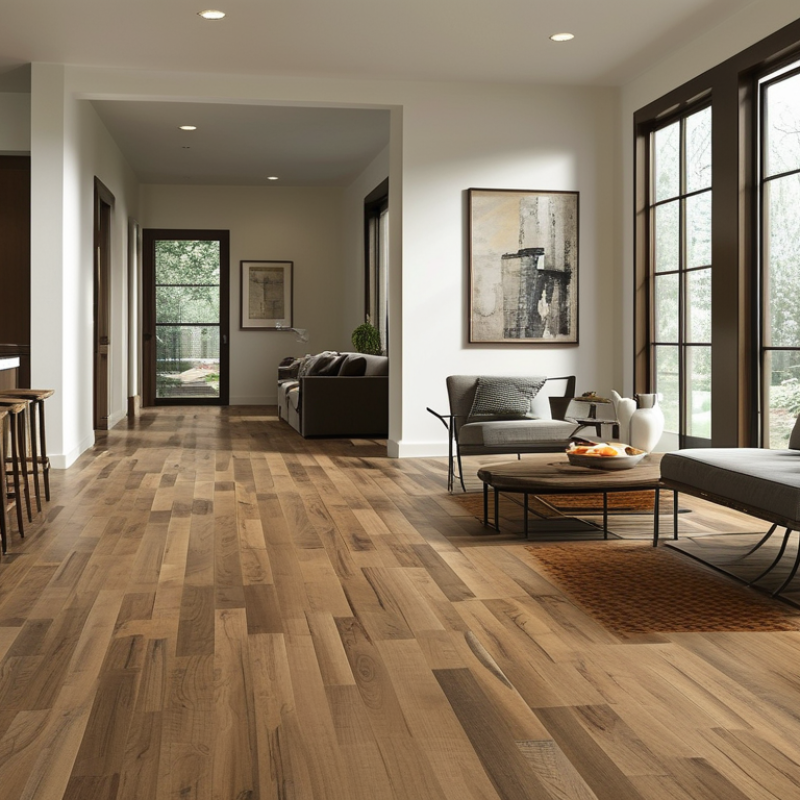
Understanding SPC Plank Flooring and Its Benefits
SPC (Stone Plastic Composite) plank flooring is gaining popularity in modern homes due to its durability and stylish appearance. Understanding its benefits can help you make an informed decision for your space. SPC flooring is waterproof, making it suitable for kitchens and bathrooms. The rigid core also provides stability and resilience against heavy foot traffic.
When selecting SPC flooring, consider your lifestyle. If you have pets, opt for a scratch-resistant finish. For families with children, a design that conceals dirt might be beneficial. Look for flooring with a high wear layer to ensure longevity.
Tips: Always request samples before purchasing. This helps you visualize how the flooring looks in your actual space. Measure your rooms accurately to avoid ordering too much or too little. Don’t rush the installation process; a small mistake can lead to significant issues later. Think about the color and texture that will enhance your home’s aesthetic. Each detail counts.
How to Choose the Best SPC Plank Flooring for Your Home?
SPC (Stone Plastic Composite) flooring is gaining popularity due to its durability and aesthetic appeal. Here, we present a comparison of various advantages of SPC plank flooring based on consumer preferences.
Evaluating Your Home’s Requirements for Flooring
When evaluating your home's requirements for SPC plank flooring, consider your lifestyle and the specific needs of each room. Traffic levels, moisture exposure, and aesthetics all matter. Research indicates that 60% of homeowners prioritize durability and water resistance when selecting flooring. Depending on your family's activity, these factors can influence your choice significantly.
For example, if you have pets or children, a durable, scratch-resistant surface is essential. Moisture-prone areas, like kitchens and bathrooms, require a material that can withstand spills and humidity. SPC flooring is known for its high level of water resistance. A report from the National Flooring Association shows that SPC floors can endure high moisture levels without warping over time.
Another key factor is style. SPC offers a range of designs that can suit any decor. However, the wrong color or texture can clash with your existing interiors. Researching trends, such as the current preference for light-toned wood finishes, can help guide your choice. It's crucial to ensure that your flooring complements other elements in your home. Balancing function with style is not always straightforward, yet it is necessary for long-term satisfaction.
Key Features to Look for in SPC Plank Flooring
When selecting SPC plank flooring, key features can make a significant difference. Look for durability, as SPC is engineered to withstand heavy foot traffic. Its stone polymer composite core provides excellent resistance to dents and scratches. This is crucial in busy households.
Another essential feature is water resistance. SPC flooring is waterproof, making it ideal for areas like kitchens and bathrooms. This characteristic helps maintain aesthetics while protecting your investment. Easy maintenance is also a plus. Regular sweeping and occasional mopping will keep your floors looking fresh.
Tips: Always check the thickness of the planks. Thicker planks tend to be more stable and comfortable. Consider the wear layer as well. A thicker wear layer enhances durability, especially in high-traffic zones. Lastly, do not overlook the style. Choose a design that complements your home décor and lifestyle. Remember, it’s essential to balance looks and functionality.
How to Choose the Best SPC Plank Flooring for Your Home? - Key Features to Look for in SPC Plank Flooring
| Feature | Description | Importance |
| Thickness | Typically ranges from 4mm to 6mm, affecting durability and comfort. | Higher thickness offers better sound insulation and comfort. |
| Water Resistance | SPC flooring is known for its excellent water resistance, suitable for moisture-prone areas. | Essential for kitchens, bathrooms, and basements. |
| Design Options | Available in various designs, colors, and textures mimicking hardwood or stone. | Allows for customized aesthetics in home decor. |
| Installation Method | Options include glue-down, click-lock, and loose lay installations. | Ease of installation affects time and cost efficiency. |
| Durability | SPC flooring is resistant to scratches, dents, and stains. | Longer lifespan and reduced maintenance costs. |
| Environmental Impact | Some SPC flooring options are made from recycled materials and are PVC-free. | Better choice for eco-conscious consumers. |
Comparing Different SPC Brands and Options
When selecting SPC plank flooring, it’s essential to compare different brands and options. Research shows that SPC (Stone Polymer Composite) flooring offers durability and water resistance. A report from the National Flooring Association indicates that SPC is increasingly preferred for its resilience and aesthetic appeal. Studies suggest that around 75% of homeowners consider SPC for high-traffic areas due to its sturdy nature.
One important factor is the thickness of the planks. Typically, SPC planks range from 4mm to 8mm. Thicker planks provide better sound insulation but may come with a higher price tag. Another variable is the wear layer, which can significantly affect longevity. According to industry reports, a wear layer of at least 20 mils is recommended for residential use.
Color and texture are also crucial. Many brands offer realistic wood and stone looks, contributing to a home’s overall design. However, balancing budget constraints with aesthetic preferences can be challenging. Many homeowners realize, after installation, that the best choice often requires a compromise between cost and quality. Thus, checking customer reviews and expert opinions is vital to ensure a well-informed decision.
Installation and Maintenance Tips for SPC Flooring
When installing SPC flooring, precision is key. The subfloor must be clean and dry. Many experts emphasize that a level surface minimizes issues later. According to the National Wood Flooring Association, an uneven subfloor can lead to damage. Using an underlayment can help in sound reduction and moisture control, enhancing overall performance.
Maintenance is equally crucial for longevity. Vacuuming regularly prevents dirt accumulation. This helps maintain the finish and appearance. The Floor Covering Industry (FCI) reports that minimal water exposure is best. Wipe up spills promptly to avoid warping. Cleaning should be done with a damp mop, not soaking wet. Over time, excess water can seep in, affecting the flooring integrity.
Consider the potential challenges of SPC flooring. Extreme temperature variations can cause expansion or contraction. Homeowners should be aware of these factors. Understanding climate impact can guide maintenance decisions. Frequent inspections are vital, especially in high-traffic areas. Noticing wear early can prevent larger problems. Balancing aesthetic desires with practical care approaches can lead to satisfaction.
 Skip to content