How to Choose the Best Foil Tray for Your Needs?
Choosing the right Foil Tray for various culinary needs can be daunting. The global foil tray market is projected to grow at a CAGR of 4.2% from 2022 to 2027, according to recent industry analyses. This indicates a rising demand for quality and versatility in food packaging solutions. Many chefs and caterers face challenges in selecting the appropriate foil trays that complement their specific requirements.
Industry expert Sarah Jenkins emphasizes the importance of quality in her own words: "A reliable foil tray can elevate presentation and ensure efficient food service." Her insights reflect how the right choice can significantly impact both food safety and customer satisfaction. Chefs should consider factors such as size, shape, and heat resistance when choosing foil trays. Each detail matters and can make a difference in food storage and transportation.
Despite the abundance of options, many still overlook critical specifications, leading to suboptimal decisions. Awareness of materials and environmental impact is also essential in today's eco-conscious market. Thus, understanding your needs will guide you in selecting the best foil tray, ensuring it meets culinary demands while aligning with sustainability goals.
Understanding the Various Types of Foil Trays Available on the Market
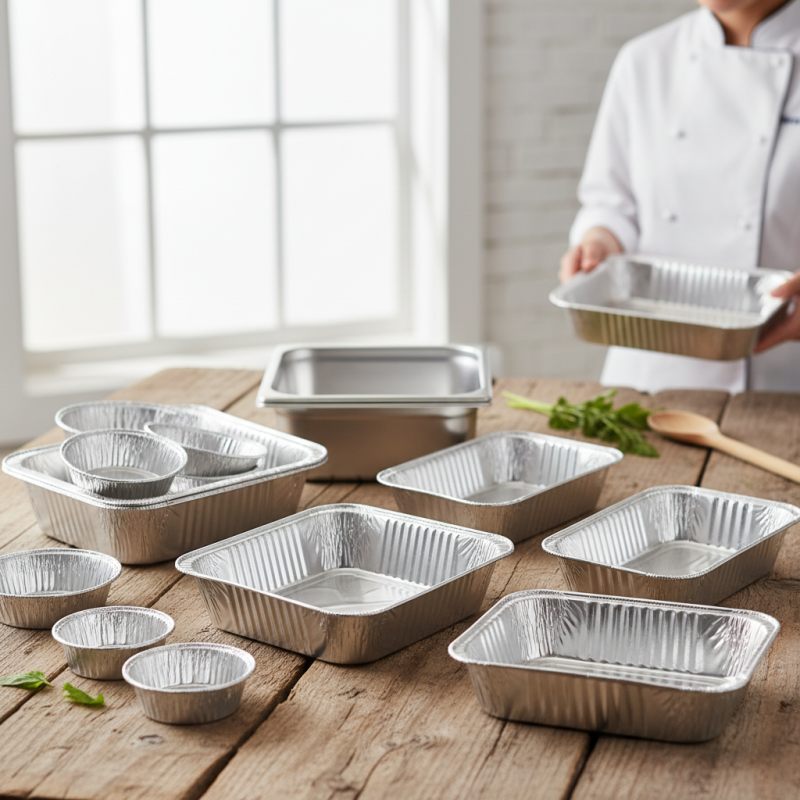
When selecting foil trays, it's essential to understand the various types available. There are two primary categories: disposable and reusable trays. Disposable trays are typically thinner and suited for single-use occasions, while reusable trays are crafted from thicker material, allowing for multiple uses. According to a report by the Flexible Packaging Association, the demand for eco-friendly packaging has surged by 23% in the last five years. This trend influences choices regarding foil trays.
Consider the size and shape of the tray as well. Round trays are perfect for salads or cakes, while rectangular trays suit main courses or side dishes. For those hosting large gatherings, larger trays reduce the need for multiple servings. The right choice depends on the meal and intent of use.
Tip: Always check the temperature ratings on the packaging. Many foil trays can withstand high temperatures, making them suitable for oven use. However, some may warp or lose structural integrity under extreme heat, so always perform a test run.
Don’t overlook the importance of weight. Lightweight trays may not hold up during transport. A balance of weight and sturdiness is often key. Each choice shapes your cooking or serving experience. Consider your specific needs carefully.
Assessing the Size and Capacity Requirements for Your Projects
When selecting a foil tray, understanding size and capacity is crucial. According to industry reports, the average catering event requires trays that hold between 2 to 8 quarts. This ensures adequate volume for various dishes like pasta or salads. Choose a tray that matches the specific needs of your project. Inadequate sizing can lead to overflows or insufficient servings.
It's important to consider the type of event you are hosting. A backyard barbecue may need larger trays for side dishes, while an intimate dinner requires smaller portions. The right tray enhances presentation and functionality. Research suggests that improper sizing can lead to a waste of resources. Additionally, constant feedback from catering professionals highlights that the right dimensions ensure food stays fresh and appealing.
Evaluating capacity can also be influenced by the number of guests. For 20 to 30 people, trays that hold about 5 quarts are often recommended. Conversely, for larger gatherings, consider trays of 10 quarts. It’s vital to weigh your options based on the expected guest count and menu layout. Be mindful of the balance between excess and scarcity to achieve the best results.
Evaluating the Thickness and Durability of Foil Materials Used
When selecting foil trays, thickness and durability are key factors. A typical foil tray ranges from 0.18mm to 0.30mm in thickness. Thicker trays provide better support for heavier foods. According to industry reports, a tray of 0.25mm thickness can hold up to 2.5 kg without bending. This is vital for commercial kitchens that prioritize strength.
Durability goes hand-in-hand with thickness. Foil materials can vary in quality. Studies suggest that high-grade aluminum foil has better resistance to heat and tearing. Many disposable trays fail to withstand high temperatures, leading to leaks and potential food contamination. To avoid this, consider the rated temperature limit of the trays you choose.
It's important to reflect on your specific needs. Not all operations require the same strength. For lighter meals, a thinner tray may suffice. Yet, if you're serving heavy dishes, investing in sturdier options saves money in the long run. Careful evaluation of thickness and durability ensures you choose the right products. Therefore, weighing your requirements against these specifications is essential for optimal performance in food service.
How to Choose the Best Foil Tray for Your Needs? - Evaluating the Thickness and Durability of Foil Materials Used
| Foil Tray Type | Thickness (Microns) | Durability Rating | Best Usage |
| Lightweight Foil Tray | 20 - 30 | Low | Takeaway Meals, Snacks |
| Medium Duty Foil Tray | 30 - 40 | Medium | Catering, Baking |
| Heavy Duty Foil Tray | 40 - 50 | High | Roasting, Grilling |
| Extra Heavy Duty Foil Tray | 50+ | Very High | Long Cooking Times, Heavy Dishes |
Considering Temperature Resistance and Oven Safety Ratings
When selecting a foil tray, temperature resistance and oven safety ratings are crucial. Foil trays come in various thicknesses and designs. A thicker tray typically withstands higher temperatures. Conversely, a thinner tray may warp or bend in the heat. Understanding these differences helps in choosing the right option.
Check the tray's maximum temperature limit. Most trays can handle up to 500°F but verify specific ratings. High temperatures can lead to melting or deformation. If unsure, consult the manufacturer’s guidelines to ensure safety.
Tips: Look for trays labeled oven-safe. Avoid using non-oven-rated trays in high-heat situations. Always monitor the tray while it is in the oven. If you notice any signs of warping, remove it immediately. It's better to be cautious than to risk damaging your meal or oven. Experiment with different trays to find the best fit for your cooking style.
Comparison of Foil Tray Temperature Resistance
Identifying Eco-Friendly Options and Their Environmental Impact
When selecting a foil tray, it's crucial to consider its environmental impact. Traditional foil trays can take many years to break down. While aluminum is recyclable, the recycling process demands significant energy. This raises questions about sustainability. Many consumers overlook these factors when making a purchase.
Eco-friendly alternatives are becoming more popular. Look for trays made from recycled materials or those designed for composting. These options can reduce waste and energy consumption. However, the availability may vary in stores. Conducting research about local recycling programs is vital too. It ensures that the chosen tray can actually be recycled properly.
Choosing the right foil tray means weighing convenience against environmental concerns. Uncertainties arise when considering the true cost of disposables. Are we compromising our planet for short-term ease? The decision is complex and requires thoughtful reflection. Balancing practicality with eco-consciousness helps in making more informed choices.
 Skip to content