China Top 10 Pop Up Canopy Manufacturers
A Pop Up Canopy can look sturdy in a product photo and still wobble when a gust catches its roof. Buyers need more than a low price or a long feature list. They need to compare frame materials, fabric specifications, connection points, setup steps, replacement parts, and the support offered after purchase. Small details matter. A locking pin should move cleanly; a reinforced corner should look and feel substantial.
For a transparent editorial perspective, this introduction uses a fictional composite specialist named Alex Morgan, not a real-world source. Morgan’s guiding line is: “Judge a canopy by the details you can inspect, not the promises you can’t.” That is a useful lens for exploring China’s Pop Up Canopy manufacturing sector. It also has limits: a short article cannot verify every factory, batch, or performance claim. Buyers should confirm specifications directly and request relevant test records before making decisions.
The China Top 10 Pop Up Canopy Manufacturers guide will compare suppliers through practical criteria, including product range, customization, production capability, quality-control information, and communication. It will distinguish available evidence from broad marketing language. A polished catalog is not proof of consistent workmanship. Neither is a low quotation proof of poor quality. The aim is a grounded shortlist, not a universal verdict. Readers should match each manufacturer’s strengths to their climate, event schedule, transport needs, and budget. A canopy meant for weekend markets may face very different demands from one used at frequent outdoor events.
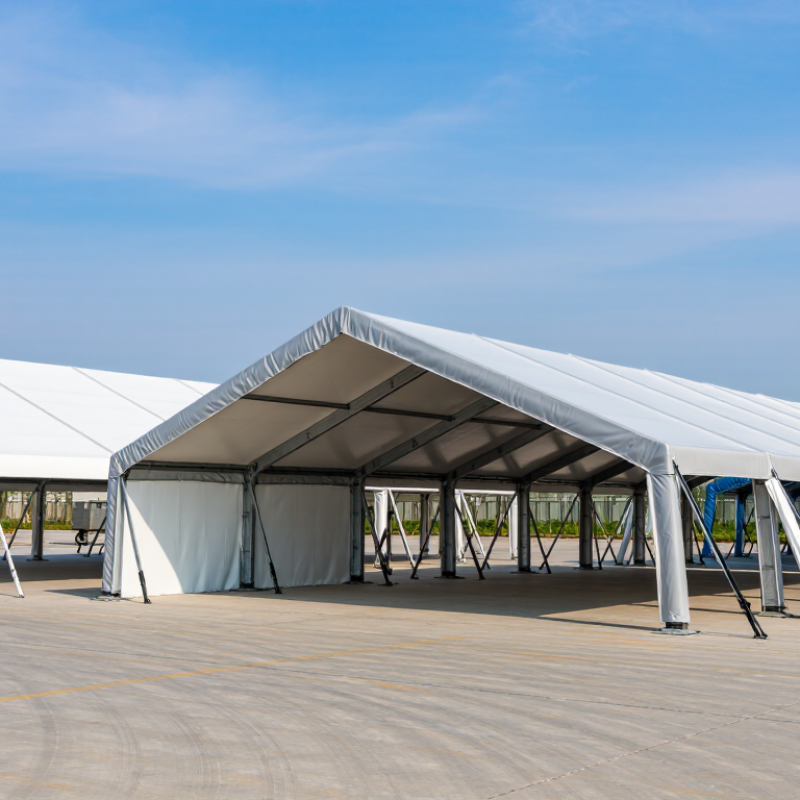
How China’s Pop-Up Canopy Manufacturing Industry Is Structured
China’s pop-up canopy industry is better understood as a production network than a single factory sector. Frame suppliers cut and shape steel or aluminum tubes; hardware workshops make joints, hinges, and feet. Fabric converters coat polyester, then cut and sew roof panels. Assembly plants combine these parts, inspect folding action, and pack finished units for export. Small details matter: a loose rivet or uneven seam can affect stability and water shedding.
The scale of the wider supply base is substantial. The China National Textile and Apparel Council reported textile and apparel exports of about US$293.6 billion in 2023. This is not a canopy-market figure. It does, however, show the depth of China’s textile sourcing network. UN Comtrade’s HS 6306 category groups tents with tarpaulins and other textile goods, so it cannot isolate pop-up canopy exports. The boundary is imperfect.
Manufacturing is often divided among specialist suppliers, contract assemblers, and exporters that coordinate specifications and quality checks. Buyers may request tube-wall measurements, fabric density, coating details, and carton tests. These checks are useful, but factory documents do not replace sample inspection. Production can vary between batches. Even a familiar design may need retesting after a material change.
Criteria for Identifying Leading Chinese Pop-Up Canopy Manufacturers
Choosing a leading Chinese pop-up canopy manufacturer takes more than comparing prices or polished product photos. Ask how the frame is made, what metal is used, and how its joints withstand repeated folding. Inspect stitching at roof corners, reinforced stress points, and the fit between fabric sleeves and frame poles. Request material specifications, testing methods, and inspection records for the exact model. A certificate alone is not enough.
Reliable suppliers explain canopy dimensions, fabric weight, water resistance, and UV performance in measurable terms. Confirm whether these claims apply to finished canopies or only to raw materials. Review a pre-production sample, open and close it several times, and check locking pins, feet, and adjustment buttons. Small defects matter. Ask about lead times, packaging, spare parts, and complaint handling. Production capacity should be backed by clear schedules, not just a large factory description. Even careful checks can miss issues.
Tips: Send each candidate the same specification sheet, including canopy size, frame material, fabric, printing method, carton dimensions, and order quantity. Compare written answers side by side. If a supplier avoids a simple question, pause. A sample may not represent every production batch, so agree on an inspection plan before placing an order.
Profiles of 10 Notable Pop-Up Canopy Manufacturers in China
China’s pop-up canopy suppliers serve event, retail, leisure, and industrial buyers. The Outdoor Industry Association’s 2024 Special Report counted 175.8 million U.S. outdoor participants in 2023. This indicates demand for outdoor equipment, but it is not a measure of China’s canopy market. These capability-based profiles are not an audited ranking; company names are omitted.
A neat sample can still conceal loose stitching.
Buyers should compare frame dimensions, fabric specifications, spare-part availability, and inspection records. Ask for a packed sample and test its setup outdoors. Supplier claims vary, and a short factory visit rarely reveals long-term durability.
Comparing Product Range, Customization, Quality, and Production Capacity
China Top 10 Pop Up Canopy Manufacturers
Comparing suppliers means looking beyond price and product photos. A useful product range may include several frame sizes, roof fabrics, sidewalls, and replacement parts. Check whether the listed dimensions refer to the frame or the covered area. That small detail can affect event layouts. For customization, ask about fabric colors, printed graphics, leg height, and packaging options. Confirm minimum order quantities and setup fees in writing. A polished brochure can still leave gaps.
Quality checks should focus on measurable details, such as frame material, tube thickness, joint design, stitching, and water-resistance test results. Request a sample or clear inspection photos before approving a large order. Ask how defects are recorded and what replacement process is available. Production capacity needs evidence, too. Request a realistic lead-time breakdown for samples, production, and shipping, especially during peak seasons. Bigger stated capacity does not always mean faster delivery.
Tips: Send every candidate the same specification sheet. Compare quotations line by line, including accessories and packaging. Ask for recent production photos and quality-control records. Details matter. If answers are vague, pause and clarify before paying a deposit. Manufacturers may not meet every requested feature, so note trade-offs instead of assuming perfect customization.
China Top 10 Pop Up Canopy Manufacturers - Comparing Product Range, Customization, Quality, and Production Capacity
This is an anonymous market-comparison framework, not a verified ranking of ten identifiable manufacturers. Product options below are common in the industry; supplier-specific certifications, customization capabilities, and production capacity should be confirmed directly. No company names or brand data are shown.
| Comparison area | Common market options | Customization to confirm | Quality checks to request | Production capacity data |
|---|---|---|---|---|
| 1. Standard steel-frame canopy | Portable folding frames with steel components; commonly offered with polyester canopy covers. | Frame color, cover color, printing, sidewalls, carry bag, and packaging. | Request frame-material details, coating specification, joint inspection, and sample evaluation. | Supplier-specific output is not established by this comparison; request monthly capacity and recent delivery records. |
| 2. Aluminum-frame canopy | Folding canopy systems using aluminum frame components; weight and strength depend on alloy, profile, and construction. | Frame profile, finish, cover fabric, branding, accessories, and carton configuration. | Ask for alloy and profile information, joint and locking-mechanism checks, and a complete assembled sample. | Not publicly comparable without factory-specific evidence; verify line capacity and lead time for the requested specification. |
| 3. Printed promotional canopy | Canopies configured for events, trade shows, and outdoor promotion, often with printed fabric panels. | Artwork, print coverage, color matching, valance design, and branded accessories. | Request a print proof and sample; confirm color consistency, seam quality, and wash or weather-care guidance. | Depends on printing method and order mix; request confirmed output for the actual artwork and order quantity. |
| 4. Canopy with sidewalls | Configurations may include detachable walls, doors, or window panels, depending on the product design. | Wall layout, openings, fasteners, colors, print, and accessory set. | Check attachment points, panel dimensions, stitching, and fit with the selected frame. | No supplier-specific capacity is asserted; ask whether walls and frames are produced and inspected in the same facility. |
| 5. Heavy-duty event canopy | Products marketed for frequent event use may feature reinforced components; actual performance varies by specification. | Frame section, reinforcement points, cover material, wall options, and replacement parts. | Request documented load or durability test methods, test conditions, and results for the exact model. | Verify production volumes, inspection staffing, and peak-season schedules with the supplier. |
| 6. Compact or lightweight canopy | Portable models designed for easier transport; dimensions, packed size, and weight are model-specific. | Packed dimensions, carry-bag design, fabric, frame finish, and available colors. | Check measured product and packed weights, opening and closing operation, and packaging protection. | Ask for output by model and for confirmation that the quoted capacity includes the requested accessories. |
| 7. Large-format canopy | Larger sizes may require different frame layouts and additional structural components; dimensions vary by supplier. | Overall dimensions, frame configuration, cover panels, walls, and transport packaging. | Request drawings, assembly instructions, model-specific test evidence, and confirmation of intended-use limitations. | Capacity is order- and model-dependent; obtain a written production schedule and shipment plan. |
| 8. Replacement covers and parts | Some suppliers offer replacement canopy tops, sidewalls, frame components, or hardware. | Compatibility, color matching, dimensions, labels, spare-part kits, and order quantities. | Confirm compatibility against a model drawing or physical sample and check spare-part availability terms. | Ask for minimum order quantities and replenishment lead times; these are supplier-specific. |
| 9. Private-label and OEM orders | OEM arrangements may include customer-specified artwork, labels, packaging, or product configurations. | Artwork files, labels, manuals, packaging, colors, and agreed product specifications. | Approve a pre-production sample and signed specification; define inspection criteria before mass production. | Confirm tooling or setup time, order minimums, sample lead time, and batch delivery capacity. |
| 10. Export-ready supply | Export arrangements can involve product documentation, export packaging, and shipment coordination; scope varies by supplier. | Carton marks, manuals, language, packaging tests, shipping terms, and destination-specific documents. | Verify applicable test reports and certificates directly with the issuing body; confirm they cover the exact model and market. | Request recent shipment references, order-specific lead times, and a documented peak-season capacity plan. |
For a factual supplier-by-supplier ranking, compare verified factory records, model-specific test documents, sample results, audited capacity, and recent delivery performance. Do not treat general product descriptions as proof of certification or performance.
How to Evaluate Suppliers for International Pop-Up Canopy Projects
China Top 10 Pop Up Canopy Manufacturers
How to Evaluate Suppliers for International Pop-Up Canopy Projects
For an international pop-up canopy project, evaluate supplier evidence, not showroom polish. Request a production sample with the exact frame material, fabric weight, seams, and printed artwork. Set it up on concrete. Time assembly, inspect locking pins, and check whether one person can secure the legs without forcing them. Ask for fabric UV and water-resistance test results, plus wind-test reports naming the canopy size, anchoring method, and test conditions.
A certificate alone is thin evidence. Match each report to the model and production batch; generic laboratory documents can conceal differences. UNCTAD’s Review of Maritime Transport 2024 reported that the Shanghai Containerized Freight Index rose more than 160% between October 2023 and June 2024. That volatility makes shipping terms, carton dimensions, and dispatch windows part of supplier evaluation. Request a packed sample and compare the quoted freight assumptions with your forwarder’s estimate.
Check monthly output against your event calendar, then ask how the supplier handles bent hubs or missing pins. Get spare-part lead times in writing. An audit can still miss a weak batch. Keep a sealed preproduction unit and record its weight, dimensions, and assembly time as a shared reference. It will not predict every field failure, but it makes later quality discussions more concrete.
Skip to content