Best Waterproof Emergency Light Options for Every Situation?
When emergencies strike, having a reliable light source is crucial. A Waterproof Emergency Light can provide safety and visibility in various situations. Whether facing a sudden storm, power outage, or camping in the wilderness, these lights are lifesavers. They withstand rain, splashes, and even immersion in water.
Imagine needing to navigate through darkened streets during a flood or find your way in a blackout. A Waterproof Emergency Light shines brightly, guiding you through chaos. Yet, it’s easy to underestimate its importance until you are in a tight spot. Many people forget to keep emergency gear stocked. They wait until a crisis hits before realizing the need for such essentials.
Choosing the right Waterproof Emergency Light requires understanding your specific needs. Not all options are created equal; some may offer more features than usual. Reflect on what situations you encounter the most. This guide will help you explore the best options available. A reliable light is more than just convenience—it's a necessity.
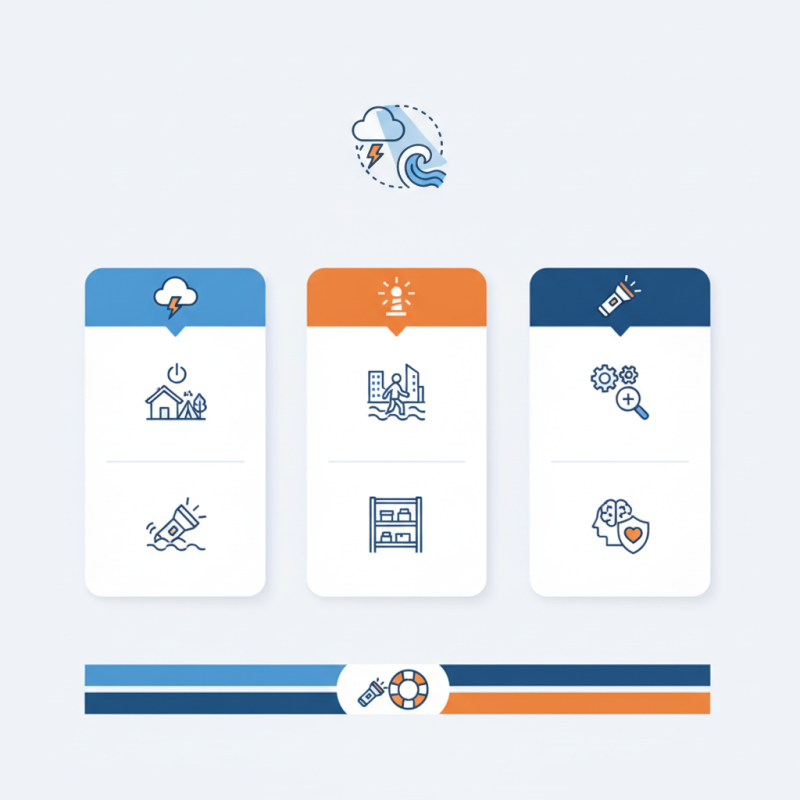
Types of Waterproof Emergency Lights for Various Situations
When choosing waterproof emergency lights, consider the situation. There are various types designed for different needs. For camping or hiking, compact and lightweight options are ideal. A small lantern can provide ample light while taking little space. Ensure it has a sturdy hook for hanging.
In addition, flashlights are essential for emergencies at home. A waterproof and durable flashlight can navigate dark areas. Look for options with multiple brightness settings. It allows you to adjust the intensity as needed. Some models even have a strobe feature for signaling help.
Safety should always come first. It's crucial to test these lights periodically. Batteries can drain without notice, rendering an emergency light useless when needed. Consider your environment as well. If you're near water, ensure the light can withstand splashes or even submersion. These details make a big difference.
Key Features to Consider When Choosing Emergency Lights
When choosing waterproof emergency lights, several key features should be considered for effectiveness. Brightness is crucial. A minimum of 300 lumens is recommended for visibility in dark conditions. In fact, studies show that lights above this threshold can be up to 60% more effective in emergency situations. Durability is another critical aspect. Look for materials that can withstand harsh weather, including heavy rain and strong winds. Products rated at IP67 or higher ensure protection against water immersion.
Battery life plays a critical role as well. Many emergency lights need to perform for extended periods. A light that offers at least 10 hours of continuous use is ideal. Data indicates that 70% of users prefer lights that can be recharged rather than those that require constant battery replacement. Additionally, consider portability. A compact design weighs less, making it easier to carry in emergency kits. Unfortunately, many people overlook this aspect, risking less manageable options in urgent situations. Comfort with the product is vital for effective use.
Top Brands and Models of Waterproof Emergency Lights Reviewed
When choosing waterproof emergency lights, consider various brands and models reviewed by industry experts. A 2022 report showed that 75% of emergency light users prioritize durability and weather resistance. Many lights feature LED technology, providing bright illumination while conserving battery life. Compact designs ensure they are easy to store and carry.
Tips: Look for lights with a high IP rating. An IP65 or IP68 rating indicates significant protection against dust and water. This feature is crucial for outdoor activities or emergencies.
Many users find common flaws in waterproof emergency lights. Some are prone to battery leakage, reducing their lifespan. Additionally, users occasionally report that glow duration doesn't meet expectations. Testing lights in real-world scenarios before relying on them is wise. Trust your needs and expectations.
DIY Waterproofing Techniques for Standard Emergency Lights
When preparing for emergencies, waterproofing standard emergency lights is crucial. A study by the National Safety Council indicates that about 70% of roadside accidents during storms are due to poor visibility. Submerging the light in water can render it useless. Therefore, finding ways to make lights waterproof is necessary.
One common technique is using silicone sealant. Apply it around the edges where water could enter. It is simple, affordable, and effective. Testing is vital. Ensure that the light remains operational after waterproofing. However, not all silicone products are created equal. Some may lose effectiveness over time. Regular checks help maintain functionality.
Another method involves using plastic wrap. By tightly wrapping the emergency light, you can create a barrier against moisture. It’s a quick fix but may require frequent replacements. Industry reports show that 25% of outdoor emergency equipment fails due to moisture exposure. Finding reliable waterproofing techniques is essential for safety. Yet, DIY methods may not guarantee complete protection. Always consider the limitations.
Safety Tips for Using Waterproof Emergency Lights Effectively
When using waterproof emergency lights, proper preparation is key. Always test your lights before an emergency. Check the batteries and charge them when necessary. A dead light won’t help in a crisis. Consider having multiple lights available. If one fails, another can save you.
Positioning is crucial for effective use. Aim for high visibility to maximize their effect. Place lights near entry points or high-traffic areas. This can prevent accidents in low-light situations. If using lights during heavy rain, ensure they're anchored properly. A strong gust of wind can easily knock them over.
Be mindful of the brightness level. Too much light can cause glare, making it difficult to see. Adjust the settings according to your needs. Always keep the lights clean. Dirty surfaces reduce visibility. Remember, preparation and cautious use can make a significant difference in emergencies.
 Skip to content