Best Private Label Bedding Options for Global Buyers?
In the competitive world of bedding, "Private Label Bedding" has emerged as a game-changer for global buyers. Expert Sarah Thompson, a leading authority in the bedding industry, once stated, "Private label options allow for customization and brand differentiation." This statement underscores the growing importance of tailored bedding solutions.
Global consumers seek unique bedding products that reflect their style. Private label options meet this demand, offering a wide range of fabrics, designs, and colors. However, not all private label manufacturers uphold quality. Buyers must navigate these choices carefully to ensure they select reliable partners.
The process is not without challenges. Sourcing the right materials and maintaining production standards can be complex. Moreover, understanding the market trends is essential for success. Buyers should engage with manufacturers who prioritize quality and transparency. This approach can yield bedding products that stand out in today's saturated market.
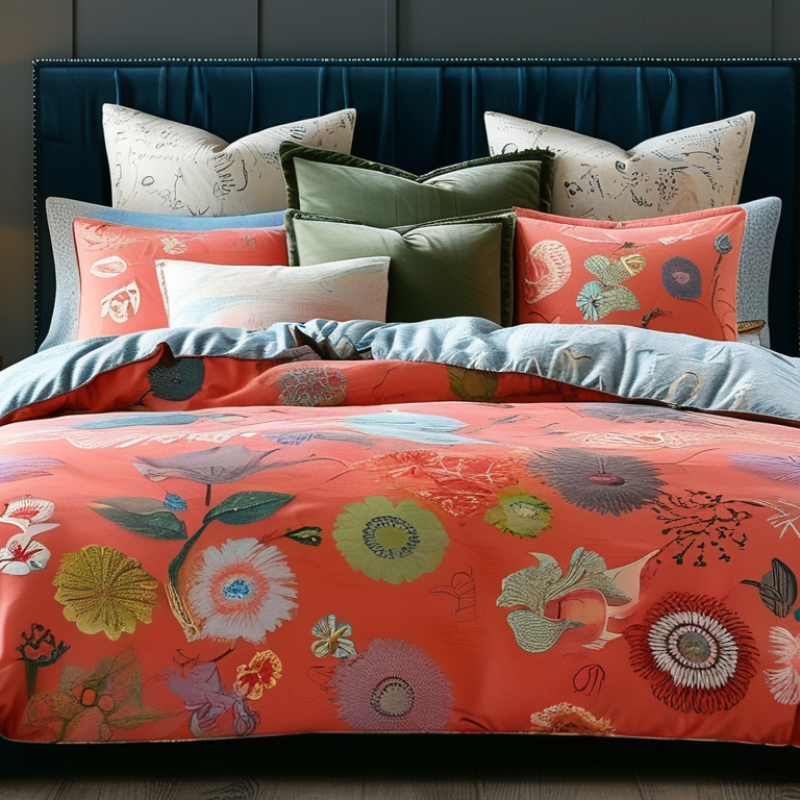
Best Practices for Selecting Private Label Bedding Suppliers
When selecting private label bedding suppliers, buyers should prioritize reliability and quality. It’s essential to research potential suppliers thoroughly. Look for feedback from other buyers. Check their production capacity and delivery timelines closely. Not every supplier offers the same consistency in quality and service.
Understanding the materials used is crucial. Poor-quality fabrics can lead to customer dissatisfaction. Buyers should request samples to evaluate texture and comfort. Additionally, consider suppliers who are transparent about their production processes. This transparency can reflect their commitment to quality and ethical practices.
Pricing is another critical factor. While competitive pricing is important, it shouldn’t compromise quality. Buyers often face the temptation to choose cheaper options. This can lead to regret down the line. Establish clear communication with suppliers to discuss pricing structures. Ensure there are no hidden costs that could affect overall profitability.
Key Factors to Consider When Choosing Bedding Fabrics
When selecting bedding fabrics, understanding the materials is essential. Cotton remains the most preferred choice globally, with a market share of over 40% in bedding textiles. It is breathable, absorbent, and easy to care for. However, cotton alone may not meet every buyer's needs in terms of durability or feel. Blends with microfiber can provide added softness and wrinkle resistance, appealing to modern consumers.
Sustainability is another key factor to consider. Many buyers are now prioritizing eco-friendly fabrics. Reports indicate that the sustainable bedding market is projected to grow by 20% annually. Organic cotton and bamboo are two popular sustainable options. Bamboo, in particular, offers natural moisture-wicking properties and is often harvested sustainably, making it a compelling choice for eco-conscious consumers.
Quality often depends on the weave. For instance, sateen weaves create a soft, luxurious feel, while percale offers a crisp, breathable texture. Some manufacturers may sacrifice quality for cost, leading to fabrics that fray or fade quickly. As trends shift, understanding what types of weaves provide lasting value is crucial for buyers aiming for longevity and consumer satisfaction.
Best Private Label Bedding Options for Global Buyers
| Bedding Fabric | Material Type | Thread Count | Durability Rating | Eco-Friendly |
| Egyptian Cotton | Cotton | 300-1000 | High | Yes |
| Microfiber | Polyester | 100-600 | Medium | No |
| Bamboo Rayon | Bamboo | 200-800 | High | Yes |
| Linen | Linen | 80-350 | High | Yes |
| Tencel | Lyocell | 300-600 | High | Yes |
Top Trends in Private Label Bedding for Global Markets
The global bedding market is evolving rapidly. Private label bedding options are gaining popularity among buyers seeking unique designs and quality. The trend reflects an increasing consumer preference for customized products, allowing brands to differentiate themselves. High-quality materials and sustainability are key drivers in this sector. Natural fabrics, such as cotton and linen, are favored for their comfort and breathability.
Another significant trend is the incorporation of smart technology into bedding products. Consumers are interested in features like temperature regulation and sleep tracking. However, integrating such technology requires careful consideration. Not all consumers are tech-savvy or willing to invest in these products. Therefore, striking a balance between innovation and usability is crucial.
The rise of minimalist designs is also noticeable. Clean lines and neutral colors resonate with many buyers. Yet, some may find these options lack personality. That opens the door for brands to explore more artistic designs. By closely monitoring consumer feedback, companies can create bedding lines that truly resonate with market trends.
Strategies for Marketing Private Label Bedding Successfully
Marketing private label bedding can be a rewarding yet challenging endeavor for global buyers. The bedding market has shown impressive growth, with a projected increase of USD 16.3 billion by 2028, according to recent industry reports. This presents an opportunity to tap into consumers' ever-evolving preferences. Focus on quality, comfort, and sustainability to capture the attention of modern buyers.
To stand out, branding is essential. Develop a unique narrative around your products. Consumers connect with brands that resonate with their values. Highlight sourcing practices, such as the use of organic materials, which have become increasingly important. According to a survey, 73% of consumers are willing to pay more for sustainable products. Integrating eco-friendly practices can enhance your credibility and attract discerning buyers.
Tip: Utilize social media platforms for targeted marketing. User-generated content builds trust. Engage with your audience through polls and giveaways to create buzz. Remember, addressing customer feedback promptly can help refine the product offerings and improve the brand image. Building reliability takes time, and learning from missteps is part of the journey. Regularly revisit your strategy to adapt to changing market dynamics and consumer preferences.
Understanding Pricing and Quality in Private Label Bedding Products
When exploring private label bedding options, pricing and quality are crucial factors. The bedding market is diverse, with materials ranging from cotton to synthetic blends. Each material has its price point and durability, impacting the overall value. A lower price often comes with compromises in thread count, fabric quality, or finishing techniques. Understanding these nuances can help buyers make informed decisions.
Quality in private label bedding is not always straightforward. It often requires a careful balance between cost and craftsmanship. Low-cost bedding might use inferior dyes or construction methods. These choices can lead to quicker wear and color fading, which may go unnoticed initially. Buyers should consider samples to evaluate the physical feel and durability before committing to large orders.
Additionally, international suppliers may have varying standards. This inconsistency can affect quality perception across different markets. It’s essential to have clear communication with suppliers about expectations and check for certifications. Researching product reviews and conducting thorough checks can help mitigate risks associated with quality discrepancies. Buyers should remain vigilant and proactive in their assessments.
 Skip to content