What Is an Anti Riot Helmet and How Does It Work?
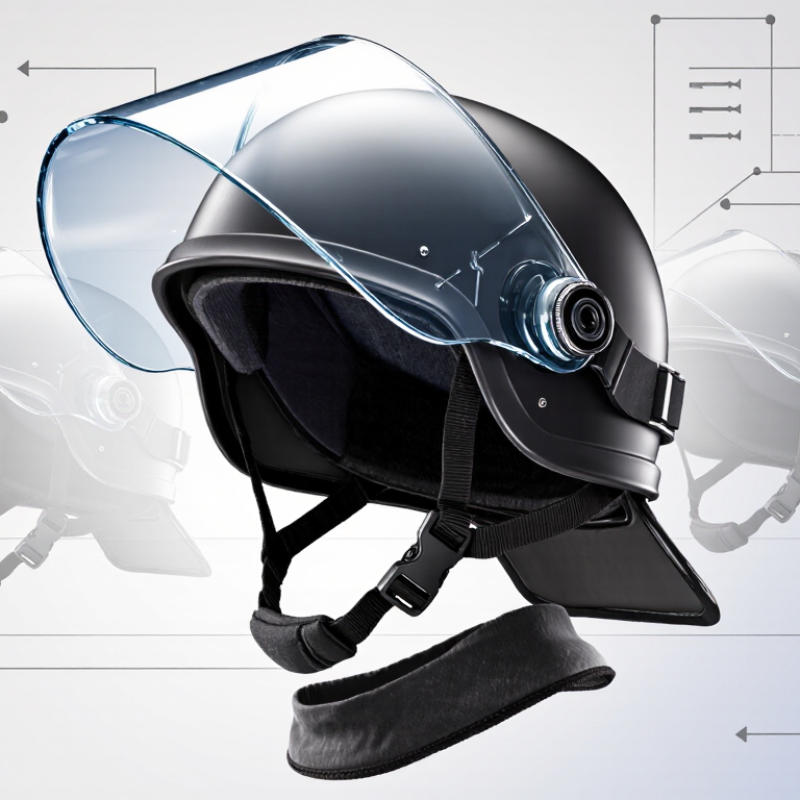
An Anti Riot Helmet is engineered protective equipment designed for controlled, high-risk public safety environments. It normally combines a rigid shell, impact-absorbing liner, secure chin strap, and transparent face shield. Some models add neck protection, hearing coverage, or anti-fog treatment. The design looks simple. Its performance is not.
Professional guidance helps explain the testing behind these components. OSHA’s Personal Protective Equipment standard, 29 CFR 1910.132, emphasizes hazard assessment, correct fit, training, inspection, and replacement. NIOSH’s Personal Protective Technology Program also highlights the importance of validated protective equipment and human factors. European products may be assessed against relevant EN requirements for impact resistance, optical quality, retention, and materials. These references do not make every helmet equal. They show why laboratory evidence and traceable manufacturing matter.
In practical use, the shell helps distribute impact energy across a wider area. The liner reduces the force transferred toward the head. A properly adjusted strap prevents the helmet from shifting when the wearer turns quickly. The visor must preserve clear vision while resisting scratches, fogging, and repeated contact. Small details matter. A loose strap can undermine expensive protection.
Yet no Anti Riot Helmet offers complete safety. Heat, restricted peripheral vision, poor communication, and long wearing periods can reduce real-world effectiveness. The National Institute for Occupational Safety and Health repeatedly treats comfort and fit as important parts of protective performance. That point deserves more attention. A helmet that is technically strong but uncomfortable may be worn incorrectly, or removed too soon. This article examines how the equipment works, what its components do, and where its practical limitations remain.
Definition and Purpose of an Anti-Riot Helmet
An anti-riot helmet is protective headgear designed for trained public-safety personnel during high-risk crowd-management situations. Its primary purpose is simple: reduce head injuries from blunt impacts, falling objects, and limited environmental hazards. A typical design includes a reinforced shell, impact-absorbing lining, secure chin retention, and a transparent visor. Some models also cover the ears, jaw, and back of the neck.
Protection depends on correct use. The helmet must fit firmly without restricting breathing, hearing, or movement. Visors should meet appropriate eye-protection requirements, such as those described in EN 166, although that standard does not certify the entire helmet. The International Labour Organization reported nearly three million work-related deaths and about 395 million non-fatal injuries globally each year. That figure concerns all occupations, but it shows why tested protective equipment matters. Fit matters too.
It is not invincible armor. A helmet cannot prevent every concussion, neck injury, or heat-related problem. Poor ventilation may cause discomfort during long deployments. In practice, users need training, inspection routines, and replacement rules based on damage and age. I have found that small details, such as a loose strap or scratched visor, can weaken confidence and visibility. Protection is never automatic. It requires judgment, maintenance, and continuous review.
What Is an Anti-Riot Helmet and How Does It Work?
An anti-riot helmet is protective headgear designed to reduce injury from blunt impacts, thrown objects, and selected environmental hazards. It commonly combines a rigid shell, impact-absorbing liner, face shield, chin guard, and adjustable retention system.
The chart compares impact-energy requirements specified by selected helmet standards. The 50 J values for EN 397, EN 1078, and EN 12492 represent standardized impact tests, while EN 812 specifies a lower 12.5 J level for industrial bump caps. These figures are reference values only; an anti-riot helmet's actual protection depends on its design, materials, certification, fit, and intended use.
Reference standards: EN 397 Industrial Safety Helmets, EN 1078 Helmets for Cyclists, EN 12492 Mountaineers' Helmets, and EN 812 Industrial Bump Caps.
How an Anti-Riot Helmet Works During Civil Unrest
What Is an Anti Riot Helmet and How Does It Work?
During civil unrest, an anti-riot helmet protects the head from blunt impacts, falling debris, and accidental collisions. Its hard outer shell spreads force across a wider area. A shock-absorbing liner helps reduce energy before it reaches the skull. The face shield adds another barrier. It can help block dust, fragments, and liquid contact, while preserving forward visibility. Protection is never absolute.
The helmet must stay secure during sudden movement. An adjustable chin strap prevents it from shifting or falling away. Internal padding improves comfort and reduces pressure points during long deployments. Ventilation limits heat buildup, although it cannot remove discomfort in hot weather. The design is a compromise. More coverage may reduce airflow or peripheral vision.
During civil unrest, trained public safety personnel should inspect the shell, visor, straps, and padding before use. Cracks, deep scratches, loose fittings, or damaged fasteners can weaken performance. A properly fitted helmet should remain stable without causing painful pressure. It should not obstruct hearing, breathing, or communication.
Small details matter.
Testing requirements differ by region and helmet type, so users should follow approved safety guidance and manufacturer instructions. Helmets do not replace calm decision-making, protective clothing, or medical planning. They also cannot guarantee safety in every situation. In practice, protection depends on correct fitting, regular inspection, and responsible use. Some assumptions about “maximum protection” deserve criticism, because added armor can create new risks.
Types, Materials, and Design Variations
What Is an Anti Riot Helmet and How Does It Work?
An anti riot helmet, often called a public-order helmet, protects the head during unpredictable crowd-control situations. Its hard outer shell helps spread impact energy across a wider area. The helmet does not make the wearer invulnerable. Fit matters most.
Common Types Common types include full-face helmets, open-face models, and versions with detachable visors. Full-face designs offer broader coverage around the cheeks and jaw. Open-face helmets usually provide better airflow and easier communication. Some models add neck guards, ear protection, or adjustable face shields. These features change the balance between coverage, comfort, and visibility.
Materials and Features Materials strongly affect performance. Polycarbonate can provide impact resistance with relatively low weight. Fiberglass composites may offer stiffness and durability, but they can cost more. Interior foam, fabric padding, and retention straps help absorb movement and maintain a stable fit. A clear visor may resist scratches, yet fogging can still reduce vision. Ventilation channels improve comfort, but they can also allow more dust or moisture inside.
Design testing should examine impact resistance, field of view, hearing, heat buildup, and emergency removal. Reliable equipment should follow recognized safety standards and receive regular inspection. Cracks, loose straps, cloudy visors, or compressed padding are warning signs. In practice, no single design solves every problem. A lighter helmet may feel better, while a heavier one may provide broader protection. That compromise deserves careful review by trained safety professionals.
Proper Use, Limitations, and Maintenance
An anti-riot helmet protects the head, face, and sometimes the neck during crowd-control work. Its shell spreads impact energy, while a visor helps reduce exposure to flying debris. Proper use starts with a professional fit check. The helmet should sit level, cover the forehead, and remain stable when the wearer turns sharply. Straps must feel secure, not painful. A 2023 International Labour Organization report estimated 2.93 million work-related deaths worldwide, showing why protective equipment needs disciplined use, not casual reliance.
Inspect the shell, visor, hinges, padding, and chin strap before every deployment. Look for cracks, deep scratches, loose fittings, or chemical damage. A scratched visor can distort vision. That matters near vehicles, barriers, or uneven ground. The European Agency for Safety and Health at Work notes that PPE effectiveness depends on correct selection, training, and consistent use. Helmet users should follow the manufacturer’s impact-replacement guidance and workplace procedures. Do not drill, repaint, or modify the shell. Small changes can weaken performance.
Limitations matter. An anti-riot helmet does not prevent concussion, neck injury, hearing damage, heat stress, or restricted breathing. It cannot replace communication, de-escalation training, medical support, or safe withdrawal procedures. The U.S. Bureau of Labor Statistics reported 2.6 million nonfatal workplace injuries and illnesses in private industry during 2023. That figure is a reminder that protective gear reduces risk, but never removes it. I would not treat a helmet as “indestructible”; that assumption is easy, convenient, and wrong. Clean it with mild soap and water, dry it fully, and store it away from sunlight, solvents, and excessive heat.
 Skip to content