Top 10 Advantages of Using PVC Shuttering for Construction?
In the construction industry, the choice of materials can significantly impact project outcomes. Pvc Shuttering has become increasingly popular due to its numerous advantages. As noted by industry expert, Alex Thompson, "PVC shuttering combines durability and efficiency, transforming how we approach construction." This insight reflects the growing recognition of PVC's benefits.
PVC shuttering offers outstanding strength and lightweight handling. It is resistant to water and chemicals, which enhances longevity. Projects using this material often experience time and cost savings. Skilled workers appreciate the easy installation process, allowing for quicker project completion. These factors underscore the reliability of PVC shuttering in modern construction.
However, while PVC shuttering has many advantages, it also necessitates careful consideration. Not all projects may require its specific benefits. Assessing project needs is essential. Ensuring the right balance between materials and project demands can lead to successful outcomes. Exploring PVC shuttering as a viable solution can thus be a step toward optimizing construction efficiency.
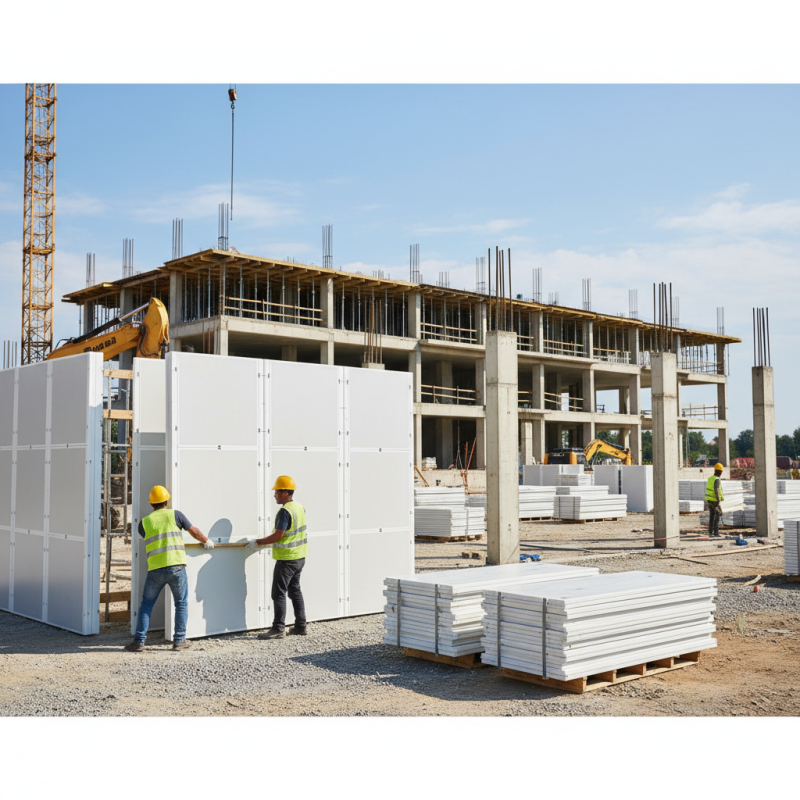
Introduction to PVC Shuttering in Construction
PVC shuttering is gaining traction in the construction industry thanks to its versatility and durability. This material is lightweight, making it easier to handle on construction sites. Reports indicate that using PVC can reduce the overall labor costs by up to 20%. This is significant in large-scale projects, where labor expenses can skyrocket. Additionally, PVC is water-resistant, which means it doesn't warp or swell in wet conditions. This feature minimizes delays caused by adverse weather.
Another crucial aspect is sustainability. PVC is reusable, which significantly lowers the material wastage often seen with traditional shuttering systems. Studies have shown that projects utilizing PVC shuttering can decrease waste by 40%. However, it is essential to acknowledge that the recycling process for PVC can sometimes be inefficient. Many companies still lack the proper infrastructure to handle PVC disposal, which raises environmental concerns.
Moreover, while PVC provides excellent insulation, some professionals argue that it can be less effective than traditional materials in extreme temperatures. Understanding these nuances is vital for construction managers. Assessing both the benefits and downsides allows for more informed decision-making in material selection. The shift towards PVC is indicative of a broader trend in the construction industry, where innovation meets practicality.
Top 10 Advantages of Using PVC Shuttering for Construction
Durability and Longevity of PVC Shuttering Systems
PVC shuttering systems offer remarkable durability and longevity, making them a favorite choice in construction. Unlike traditional forms, PVC does not warp or crack under moisture, contributing to a longer lifespan. According to a study by the Construction Products Association, PVC shuttering can last up to 50% longer than wooden or metal forms in various environmental conditions.
In addition to longevity, these systems are resistant to chemicals and corrosion. This property ensures that they maintain structural integrity over time. A report by the International Association for Building Materials indicates that PVC shuttering has a significantly lower failure rate compared to conventional materials. However, it’s essential to consider the potential for UV degradation if exposed to sunlight for extended periods, which could impact performance.
Proper storage and protection can mitigate this issue.
Moreover, while PVC shuttering's benefits are substantial, the initial cost can be a concern for some projects. The upfront investment may seem high, but the extended lifespan often leads to lower overall costs in the long run. Construction managers must weigh these factors carefully when determining the best formwork solutions. Balancing cost while ensuring durability becomes crucial in project planning.
Cost-Effectiveness Compared to Traditional Formwork Materials
PVC shuttering has emerged as a popular alternative to traditional formwork materials in construction. Its cost-effectiveness stands out prominently in project budgets. The initial investment is often lower than options like timber or metal. Builders save significantly on labor costs due to lighter materials that are easier to handle. This reduces both time and expenses on site.
Durability is another key aspect. PVC does not warp or rot, offering longevity that saves money over time. Traditional materials often require replacement or significant repairs. For instance, wet conditions can damage wood formwork, leading to added expenses. PVC, however, maintains its structure, even in challenging environments.
While these advantages are clear, there are areas worth considering. The long-term environmental impact of PVC versus wood is still debated. Understanding the lifecycle of materials used is crucial. Despite its benefits, some builders remain cautious due to potential disposal issues. Discussions around sustainability in construction continue to evolve.
Top 10 Advantages of Using PVC Shuttering for Construction
| Advantage | Description | Cost-Effectiveness |
| Lightweight | Easy to handle and transport, reducing labor costs. | Lower shipping costs due to reduced weight. |
| Reusability | Can be reused multiple times without damage, saving money. | Savings from not needing to buy new formwork frequently. |
| Durability | Resistant to water and chemicals, extending lifespan. | Lower replacement costs due to longer use period. |
| Ease of Cleaning | Smooth surface makes cleaning quick, reducing downtime. | Saves time and labor costs associated with cleaning. |
| No Need for Release Agents | Eliminates costs associated with purchasing release agents. | Cost savings on additional materials. |
| Improved Surface Finish | Brings a better surface finish compared to wood. | Reduced finishing costs due to smoother surfaces. |
| Thermal Insulation | Provides better insulation properties than traditional formwork. | Savings in energy costs during curing. |
| Weather Resistance | Not affected by moisture, enabling use in various conditions. | Reduces delays and costs associated with weather-related issues. |
| Low Maintenance | Requires minimal maintenance compared to other materials. | Savings in long-term maintenance costs. |
| Customizable | Can be easily manufactured to specific sizes and shapes. | Cost savings by reducing waste from incorrect sizing. |
Ease of Handling and Installation of PVC Shuttering
The ease of handling and installation of PVC shuttering makes it a compelling choice for construction projects. Unlike traditional materials, PVC is lightweight. This characteristic reduces the physical strain on workers during installation. Studies have shown that workers can often set up PVC forms up to 30% faster than conventional wood or metal options. This speed not only impacts labor costs but also enhances project timelines.
Another benefit stems from the flexibility of PVC shuttering. It can be easily cut and adjusted on-site to meet specific project needs. This adaptability leads to fewer delays and a smoother workflow. Moreover, PVC forms exhibit excellent durability and resistance to water, reducing the likelihood of warping and damage during installation. However, not all workers may be familiar with PVC usage, which necessitates additional training. This investment in knowledge is crucial for maximizing the advantages of this material.
Using PVC for shuttering also eliminates common issues like splinters from wood or rust from metal. However, it is essential to note that improper handling can lead to cracking or deformation. Ensuring proper handling techniques is vital to harness the full benefits of this material. Overall, the ease of installation and handling contributes significantly to project efficiency, although workers must be trained properly to overcome potential challenges.
Environmental Benefits of Using PVC in Construction Projects
The use of PVC shuttering in construction offers significant environmental benefits. PVC, or polyvinyl chloride, is a durable and lightweight material. This makes it an attractive option for builders who aim to reduce their carbon footprint. When comparing it to traditional materials like wood, PVC requires fewer resources to produce. The energy consumption during manufacturing is lower as well.
Additionally, PVC shuttering is recyclable. This property helps divert waste from landfills. After its initial use, PVC can be repurposed into new products, which promotes a circular economy. It also does not emit harmful substances, contributing to better air quality. However, some may argue that the production of PVC releases toxic compounds. It’s essential to weigh the environmental impact against the benefits of its reuse and recyclability.
Moreover, using PVC can lead to less material waste on site. Its precise molding allows for accurate adjustments, reducing the need for excess. This efficiency translates into lower costs and minimizes environmental strain. However, the initial perception of PVC being less eco-friendly persists. Ongoing research and advancements in sustainable practices can help address these concerns. Understanding these nuances is crucial for making informed decisions in construction.
 Skip to content