2026 Best Sleeping Bag for Freezing Weather?
Choosing the best sleeping bag for freezing weather is not a simple matter of reading one temperature number. In 2026, cold-weather campers need more than impressive marketing claims. They need dependable insulation, a supportive sleeping pad, and a design suited to real winter conditions.
NOLS educator John Gookin explains, “Your sleeping bag is only as warm as the system around it.” That principle shapes this guide. A high-quality Freezing Weather Sleeping Bag should work with an insulated pad, dry base layers, and a well-managed shelter. Otherwise, even premium down may feel disappointing before sunrise.
This review will examine temperature ratings, insulation types, draft collars, hood design, zipper performance, and packability. ISO-tested ratings matter, but they do not predict every person’s comfort. Some sleepers run cold. Others sleep warm. Humidity, wind, fatigue, and damp clothing can change the experience quickly.
Imagine a frozen campsite at 3 a.m. Your breath gathers on the shelter wall. The zipper snags near your shoulder. Your feet feel cold against the bag’s lower seam. Small design details suddenly become important.
The strongest 2026 options should balance warmth, weight, durability, and moisture resistance. Down usually offers excellent compressibility. Synthetic insulation often handles damp conditions more confidently. Neither choice is perfect.
This guide also recognizes an uncomfortable truth: laboratory ratings cannot reproduce every winter night. Personal testing still matters. We will compare leading bags carefully, highlight their limitations, and identify which Freezing Weather Sleeping Bag fits different cold-weather needs.
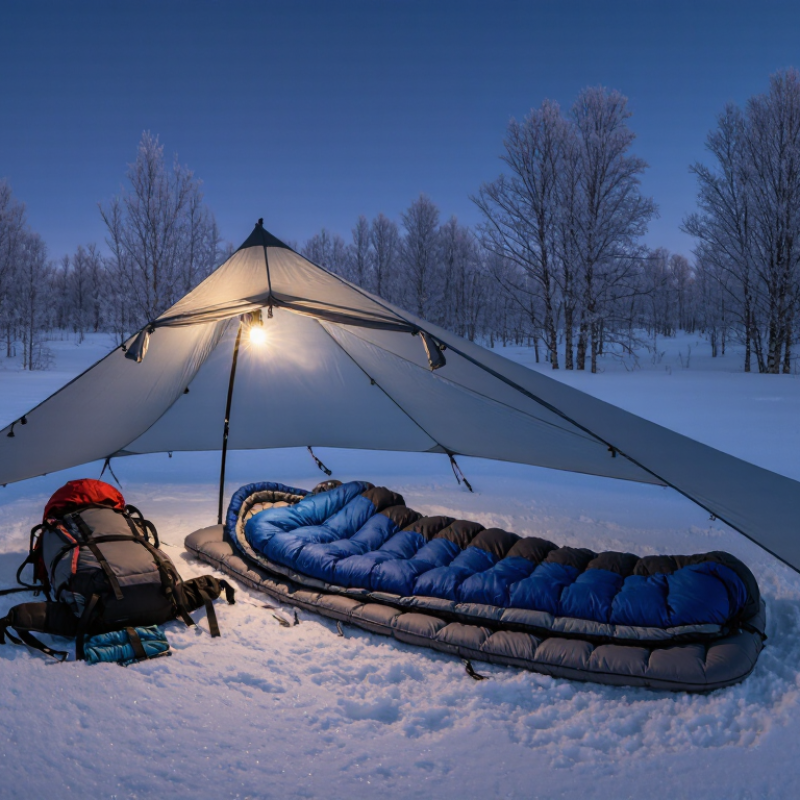
What Defines a Sleeping Bag for Freezing Weather in 2026?
A sleeping bag for freezing weather is more than a thick outer shell. In 2026, it should offer a verified cold-weather rating for temperatures near or below 0°C (32°F). Choose independently tested ratings rather than vague “winter” claims. Comfort depends on the sleeper, so the listed limit is not a personal guarantee. Insulation also matters. Down offers excellent warmth for its weight but loses performance when wet. Synthetic fill usually tolerates moisture better, although it may feel bulkier. A shaped hood, draft collar, and insulated zipper help stop heat loss.
Fit is equally important. A close mummy shape reduces empty space around your body. It must still allow insulation to stay lofty. Compressed fill provides less warmth. Your sleeping pad matters, too. A high cold-weather R-value helps block heat loss through frozen ground. Moisture can quietly ruin comfort. Sweat, frost, and damp clothing reduce insulation. I once assumed a warmer bag could fix every problem. It cannot. A thin pad and poor layering may defeat expensive insulation. Check testing standards, stitching, zipper protection, and your sleeping position before buying.
Tips: Test the bag indoors with your intended winter layers. Keep the insulation dry. Store it loosely, not tightly compressed. Eat a small snack before sleeping, and avoid wet clothing. A liner can help, but only if it preserves movement. Watch the forecast carefully. Extreme cold punishes small mistakes.
How Temperature Ratings and Insulation Types Affect Warmth
2026 Best Sleeping Bag for Freezing Weather?
How Temperature Ratings and Insulation Types Affect Warmth
For a 2026 winter bag, read the comfort rating before the lowest rating. The comfort figure estimates a relaxed sleeper’s warmth. The lower limit suits a curled sleeper wearing warmer layers. The extreme rating describes survival, not comfortable camping. ISO 23537 testing improves comparison, but ratings remain estimates. Wind, humidity, fatigue, and personal metabolism can change the night completely.
I once slept near freezing in a bag rated below that temperature. My shoulders stayed warm, but cold ground drained heat through my sleeping pad. A sleeping bag cannot replace an insulated pad. Check its R-value, shelter protection, and draft collar. A close-fitting hood also reduces heat loss around your head. Small gaps near the neck can feel surprisingly cold.
Down insulation offers excellent warmth for its weight and compresses efficiently. However, damp down can lose loft and dry slowly. Synthetic insulation usually keeps more warmth when damp and dries faster. It often weighs more and packs larger. For wet forests or uncertain weather, that trade-off may be worthwhile. For dry, cold trips, high-quality down can feel lighter and less bulky. I still question perfect laboratory numbers. Real sleep includes movement, cold feet, and poor meal planning. Choose a comfort rating below your expected nighttime temperature, then add a suitable pad and dry sleep layers.
2026 Best Sleeping Bag for Freezing Weather? - How Temperature Ratings and Insulation Types Affect Warmth
| Sleeping Bag Profile | Recommended Conditions | Typical Comfort Rating | Typical Lower Limit | Insulation Type | Typical Weight | Moisture Performance | Best Use |
|---|---|---|---|---|---|---|---|
| Light Frost Bag | Cool nights with occasional frost | 0°C to 5°C / 32°F to 41°F | −5°C to 0°C / 23°F to 32°F | Down or synthetic | 0.9–1.4 kg / 2.0–3.1 lb | Varies; synthetic generally tolerates dampness better | Three-season camping and mild shoulder seasons |
| Freezing-Weather Bag | Regular nights below freezing | −5°C to −10°C / 23°F to 14°F | −10°C to −18°C / 14°F to 0°F | High-loft down or advanced synthetic fill | 1.2–2.0 kg / 2.6–4.4 lb | Down needs protection from condensation and wet weather | Winter camping in temperate regions |
| Cold-Weather Expedition Bag | Severe cold and prolonged sub-freezing exposure | −15°C to −25°C / 5°F to −13°F | −25°C to −35°C / −13°F to −31°F | Premium down or high-density synthetic insulation | 1.8–3.0 kg / 4.0–6.6 lb | Synthetic maintains more warmth when damp; down offers better compressibility | High-altitude, northern, and expedition environments |
| Extreme-Cold Bag | Life-threatening cold outside normal camping conditions | Below −25°C / below −13°F | Below −35°C / below −31°F | Very high-loft down or specialized synthetic systems | 2.5 kg+ / 5.5 lb+ | Requires strict moisture management and a reliable shelter system | Professional expeditions with appropriate training |
How to read temperature ratings: The comfort rating is the temperature at which an average cold sleeper may sleep comfortably in a relaxed position. The lower-limit rating is intended for an average warm sleeper using a curled position. The extreme rating indicates a survival-risk range and should not be used as a normal buying target.
Down insulation: Usually provides the best warmth-to-weight ratio and compresses more efficiently. Its loft and warmth can drop significantly when saturated, so a waterproof shelter and careful condensation control are important.
Synthetic insulation: Usually weighs more and packs larger than down at a similar temperature rating, but it dries faster and generally retains more insulating ability in damp conditions. Actual warmth also depends on fit, hood design, draft collar, zipper seal, sleeping pad insulation, clothing, and individual metabolism.
Temperature ratings should be compared only when tested to a recognized standard such as ISO 23537. Values shown are representative ranges rather than guarantees for every sleeper or design.
Which Materials and Designs Improve Cold-Weather Performance?
Cold-weather performance begins with insulation, not a dramatic temperature label. Down offers excellent warmth-to-weight efficiency because its clustered filaments trap still air. Hydrophobic treatment helps, but wet down still loses loft. Synthetic insulation usually retains more warmth when damp and dries faster, though it packs larger. For freezing trips, choose a bag with continuous baffles, a fitted hood, a draft collar, and a full-length zipper. Small gaps matter. I have slept comfortably in a lighter bag at 0°C, then felt chilled at -5°C because wind entered near my shoulders.
Temperature ratings deserve careful reading. ISO 23537 testing uses a heated thermal manikin, producing comfort, transition, and lower-limit values under controlled conditions. The method improves comparison, but it cannot represent every sleeper. According to the US National Weather Service wind-chill chart, 0°F with 15 mph wind feels like -19°F on exposed skin. A tent reduces wind, yet damp fabric, fatigue, and poor nutrition can still reduce warmth. Select a lower-limit rating below the forecast, especially for exposed camps.
Material choices should match moisture risk. A water-resistant shell protects insulation from condensation and melting frost. A warmer, wider footbox lets users wear dry socks without crushing insulation. Compression bags save space, but over-compressing down repeatedly may reduce loft over time. I still prefer checking loft by hand rather than trusting marketing language. The best design is not always the lightest one; it is the one that stays dry, seals drafts, and fits your sleeping posture.
How to Choose the Right Sleeping Bag for Your Conditions
Choosing a sleeping bag for freezing weather starts with your actual conditions, not the coldest number on the label. Temperature ratings can be confusing. Look for a comfort rating near your expected nighttime temperature, with extra margin for wind and fatigue. If forecasts suggest -10°C, a bag rated comfortably below that may be safer.
Your sleeping pad matters almost as much. Cold ground can drain heat through a well-insulated bag. I check the pad’s insulation rating and use a closed-cell layer underneath when temperatures drop sharply. A hood should fit closely without crushing the insulation. A draft collar helps prevent warm air from escaping around your neck. Choose a shape that matches your body. Too much empty space can feel like a small refrigerator.
Moisture is another problem. Damp insulation loses warmth quickly, especially after repeated nights. I keep wet clothing outside the bag and use a breathable liner only when it will not restrict movement. Synthetic insulation often handles humidity better, while down can offer more warmth for less weight when kept dry. I once chose a lighter bag for a windy trip and regretted it before dawn. The forecast had been accurate; my judgment was not. Check your clothing system, campsite exposure, and sleeping habits before deciding. You may sleep warm, or you may move constantly. That difference changes the right bag.
2026 Best Sleeping Bag for Freezing Weather?
How to Choose the Right Sleeping Bag for Your Conditions
Typical comfort-temperature targets help match a sleeping bag to expected conditions: around 0°C suits many three-season trips, while freezing-weather camping generally calls for a comfort rating of about -10°C or lower. For colder environments, compare the bag’s ISO 23537 comfort rating, insulation type, moisture resistance, packed size, and the warmth of your sleeping pad. Lower temperatures on this chart indicate greater cold-weather protection.
What Features Enhance Comfort, Safety, and Packability?
A freezing-weather sleeping bag should protect more than your temperature rating suggests. Choose a bag with an ISO 23537 comfort rating suitable for your coldest expected night. The comfort rating matters more than the lower limit. A shaped hood, insulated draft collar, and full-length zipper reduce heat loss. Soft, breathable lining also improves comfort during long nights. Down offers excellent warmth for its weight, while synthetic insulation handles damp conditions better. I once underestimated ground chill, even with a warm bag.
Tips
Use an insulated sleeping pad with a strong R-value. The ground can drain heat quickly. Keep tomorrow’s dry clothes inside the bag. Store the bag loosely at home, not compressed. In camp, avoid breathing inside the bag, because moisture can freeze within the insulation. A small repair kit is useful when a zipper snags or fabric tears. Test the hood and zipper with gloves before leaving.
Packability depends on insulation, shape, and fabric construction. A compression sack can reduce volume, but excessive compression may weaken insulation over time. Look for a lightweight shell with durable stitching and a reliable zipper guard. Extra foot space helps comfort, but too much empty room requires more body heat. A good fit should feel secure without restricting movement. Temperature ratings are tested under controlled conditions, not every person or campsite. Personal metabolism, wind, humidity, and clothing still change the experience.
Skip to content