2026 Best Mobile Home Leveling Systems for Buyers

Choosing a leveling system is about more than correcting a sloping floor. Mobile Home Leveling affects how a home’s weight is supported, how doors close, and whether small movement becomes a recurring problem. For buyers comparing options in 2026, the right choice depends on the home’s frame, foundation conditions, climate, and access beneath the structure.

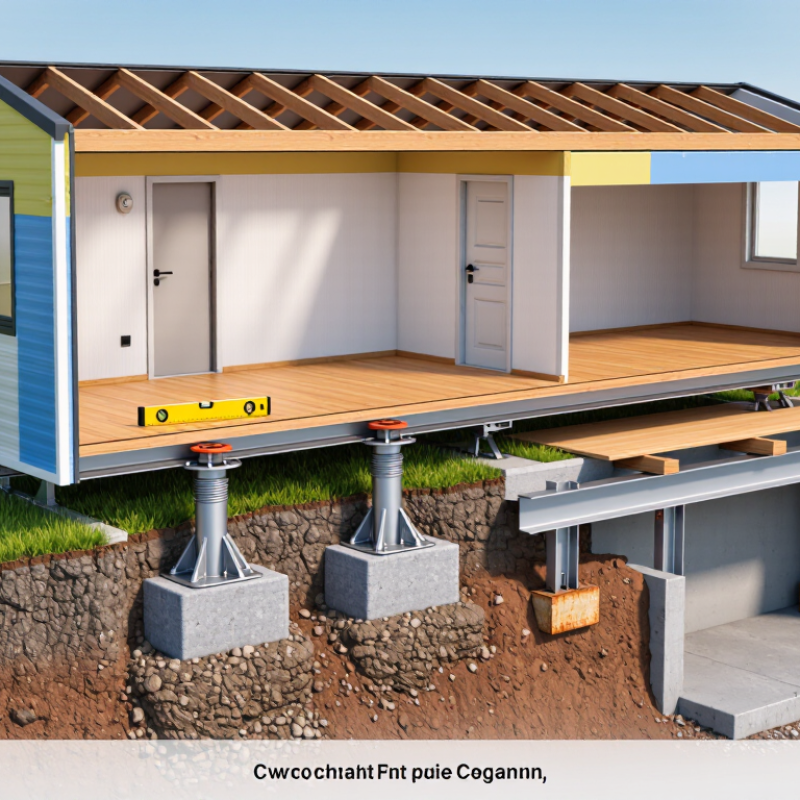
Details matter. Adjustable steel piers can offer precise height changes, while concrete supports may suit some stable, properly prepared sites. Not every system fits every home. Soil that shifts after heavy rain, rust around existing supports, or a soft spot near a doorway can change the assessment. A level placed on the floor is useful, but it cannot reveal every problem under the home.

This guide will help buyers compare common systems, materials, installation needs, and ongoing checks. It also explains when a qualified installer’s site inspection is worth the added cost. Ask for clear product specifications, load ratings, warranty terms, and a written scope of work. Those details are more useful than broad claims about a system being “permanent” or maintenance-free. A small caveat matters: the least expensive option may not be the least costly over time. Evaluate the actual site, not just the brochure.
2026 Best Mobile Home Leveling Systems for Buyers

What Mobile Home Leveling Systems Are and Why They Matter

A mobile home leveling system is the set of supports beneath a home that helps keep its frame stable and evenly supported. It may include piers, adjustable supports, and properly fitted shims. The right arrangement depends on the home’s design, soil conditions, and existing foundation. A level home is not just more comfortable. Small shifts matter.

When supports settle unevenly, floors may feel sloped, doors can stick, and gaps may appear around windows. Plumbing connections can also experience strain. These signs do not prove that leveling is the only problem, but they deserve attention. Soil moisture, drainage, and damaged supports can all affect stability. A careful assessment should include the frame, support points, and the ground below them.

Leveling is different from anchoring. Supports carry the home’s weight; anchors help resist lateral movement. One does not replace the other. Buyers should ask what support method is suitable, how the site will be checked, and whether adjustments follow the home’s installation guidance. Do not rely on a quick visual check alone. Still, even a professional assessment can miss changing soil conditions, so periodic inspections are sensible.

How Mobile Home Leveling Systems Support and Stabilize a Home

2026 Best Mobile Home Leveling Systems for Buyers
How Mobile Home Leveling Systems Support and Stabilize a Home

A mobile home leveling system helps transfer the home’s weight into stable points beneath its frame. Adjustable piers or approved support assemblies can correct uneven bearing and reduce stress on floors, walls, and doors. When supports are properly positioned, a door that once rubbed its frame may close more smoothly. Small changes matter.

Stability depends on more than the supports themselves. Soil condition, drainage, pier spacing, and the home’s frame all affect performance. A low spot after heavy rain, for example, may signal shifting soil rather than a simple adjustment issue. A qualified installer can assess these conditions and check that supports carry loads as intended.

Leveling is not a cure-all. It does not replace sound tie-downs, proper drainage, or repairs to damaged framing. Nor does every sloping floor mean the support system has failed; older homes can have quirks that take careful inspection to understand. Check for recurring door gaps, soft spots, or visible changes around supports, and seek professional evaluation when movement continues. There is no perfect shortcut.

2026 Best Mobile Home Leveling Systems for Buyers: How Supports Stabilize a Home

This illustrative example divides a 12,000 lb home load equally across six support points: 2,000 lb per point. Actual loads are rarely distributed perfectly evenly; support placement and capacity should be determined for the home and site by a qualified professional.

Types of Leveling Systems Available to Buyers in 2026

Buyers in 2026 will encounter several ways to support and level a manufactured home. Concrete block piers are common beneath floor beams and can work well when properly placed on stable footings. Precast concrete supports offer consistent dimensions, while adjustable steel piers allow fine height changes during installation or repair. Small details matter. The footing beneath a pier can be just as important as the pier itself.

Some homes use helical piles, which are turned into suitable soil and can provide support where conventional shallow footings are less practical. They require site evaluation and appropriate installation; they are not a universal shortcut. Existing homes may also have screw-jack systems for adjustment, but these should not be treated as a substitute for a properly designed foundation. A level floor does not automatically mean the home is adequately supported or anchored.

The right option depends on soil, drainage, home design, access, and whether the work is new construction or a correction. Ask how loads will be transferred, what each support rests on, and how the installation will be checked. The comparison is not perfectly tidy: two systems with similar materials can perform differently on different sites. Have a qualified professional assess the conditions before choosing, and keep installation records for future inspections.

How to Compare Systems by Site, Home Design, and Budget

Choosing a mobile home leveling system starts with the site, not the price tag. Soft soil, uneven ground, and poor drainage can affect how supports perform over time. Look for low spots after rain and note where water collects. A system suitable for firm, well-drained ground may need a different foundation plan on expansive or sloped soil. A qualified installer can assess conditions and check local requirements.

Home design matters, too. Older homes, additions, and different frame layouts may call for support points specific to the manufacturer’s specifications. Adjustable steel piers can allow future corrections, while approved concrete supports may suit some stable sites. Neither option fits every home. Ask what materials are included, how loads are distributed, and whether the estimate covers inspection and follow-up adjustments. The cheapest quote can leave important work unclear.

Tips: Compare written quotes line by line. Check the support spacing, soil assumptions, drainage work, warranty terms, and access needs. Keep a small reserve for repairs; hidden settling can change the scope. I’d be cautious about choosing from photos alone. A level floor today is useful, but it does not prove the underlying supports are sound.

2026 Best Mobile Home Leveling Systems for Buyers — How to Compare Systems by Site, Home Design, and Budget

Support System Best-Fit Site Conditions Home Design and Use Relative Initial Budget Key Advantages Limitations and Checks
Concrete masonry piers on engineered footings Firm, well-drained ground with suitable bearing capacity; the footing design must account for local soil and frost conditions. Common support approach for single- and multi-section manufactured homes when specified in the installation plan. Low to medium Durable materials; individual supports can be placed at required frame and perimeter locations. Requires properly sized footings, correct pier construction, and suitable moisture and frost protection. Masonry units should not be stacked directly on soil.
Approved precast concrete pads with pier supports Relatively level, stable sites where the soil can support the pad loads and the installation instructions permit this approach. May suit homes with support points and loads covered by the applicable installation design. Low to medium Can reduce on-site concrete work and may allow a faster installation on prepared ground. Not suitable for every soil, load, or site. Pad size and placement matter; loose, soft, or uneven ground may require engineered footings instead.
Adjustable steel piers Prepared sites with stable bearing surfaces; the support must be rated and installed for the expected load and conditions. Useful where accessible, adjustable supports are specified for a manufactured home or an approved repair. Medium Adjustment can help a qualified installer make level corrections; some systems are compact and straightforward to inspect. Capacity, corrosion protection, bracing, and footing requirements vary by system. Adjustment does not replace adequate foundations or anchorage.
Helical piles with engineered brackets Sites where conventional excavation is difficult or where soil conditions call for deep support, subject to geotechnical or engineering review. Potential option for new installations or foundation work when designed for the home’s frame and site loads. Medium to high Can transfer loads to deeper soil layers and may require less excavation than some conventional footing methods. Requires suitable soil evaluation, engineered sizing, specialist installation, and verification of pile capacity. Not a universal solution for weak or obstructed ground.
Poured concrete perimeter or continuous footings Sites suitable for excavation and concrete work; design should address drainage, soil bearing, frost depth, and local code requirements. May be selected for a more continuous foundation arrangement when required by the design, site, or local authority. High Provides a continuous concrete support element when properly designed and built. More excavation and concrete work can increase cost and installation time. A perimeter footing alone does not automatically support every frame or interior load.
Professional releveling of existing supports Existing home with settlement or uneven floors, after the cause and condition of the supports have been assessed. For an installed home that needs adjustment or repairs; the method depends on its existing foundation and manufacturer’s requirements. Low to medium for adjustment; higher if supports or footings need replacement Can address unevenness without replacing the entire support system when the foundation remains serviceable. Releveling alone will not fix inadequate footings, drainage problems, soil movement, or damaged framing. Use a qualified professional; avoid improvised shimming or lifting.

Buyer note: These are general comparison categories, not a site-specific design or price quote. Final support type, spacing, footing size, anchorage, and installation should follow the home manufacturer’s instructions, applicable HUD installation requirements for covered new installations, and state and local codes. Soil conditions, access, climate, and permitting can substantially change the budget.

Installation, Inspection, and Maintenance Requirements

A mobile home leveling system must match the home’s frame, support points, soil, and exposure to wind or moisture. Installation is not simply a matter of raising low corners. A qualified installer should check the frame and foundation, then follow the home’s documentation and applicable local requirements. Poorly placed supports can concentrate stress and cause doors to stick or floors to feel uneven. Small changes matter.

Tips: Before work begins, photograph existing cracks and note doors that bind. Ask the installer to explain the support layout and how adjustments will be checked. Keep the written inspection findings.

After installation, inspect accessible supports for shifting, corrosion, standing water, or disturbed soil. Recheck after unusually wet weather or nearby ground work. Inside, watch for new gaps around trim, sloping floors, or changes in how windows close. These signs are clues, not a diagnosis. Avoid adjusting jacks yourself unless the system instructions specifically permit it; uneven lifting can damage the structure. Keep records of inspections and repairs, including dates and observed changes. An annual check is a useful routine, but site conditions may call for more frequent professional reviews.